
Complete Guide to Lavender Oil Part 15
Introduction
Lavender oil, extracted from the flowers of the Lavandula angustifolia plant, has been cherished for centuries for its soothing aroma and versatile applications. This guide delves into the various aspects of lavender oil, exploring its properties, uses, and safety considerations, providing a comprehensive resource for those interested in this beloved essential oil.
What Is Lavender Oil?
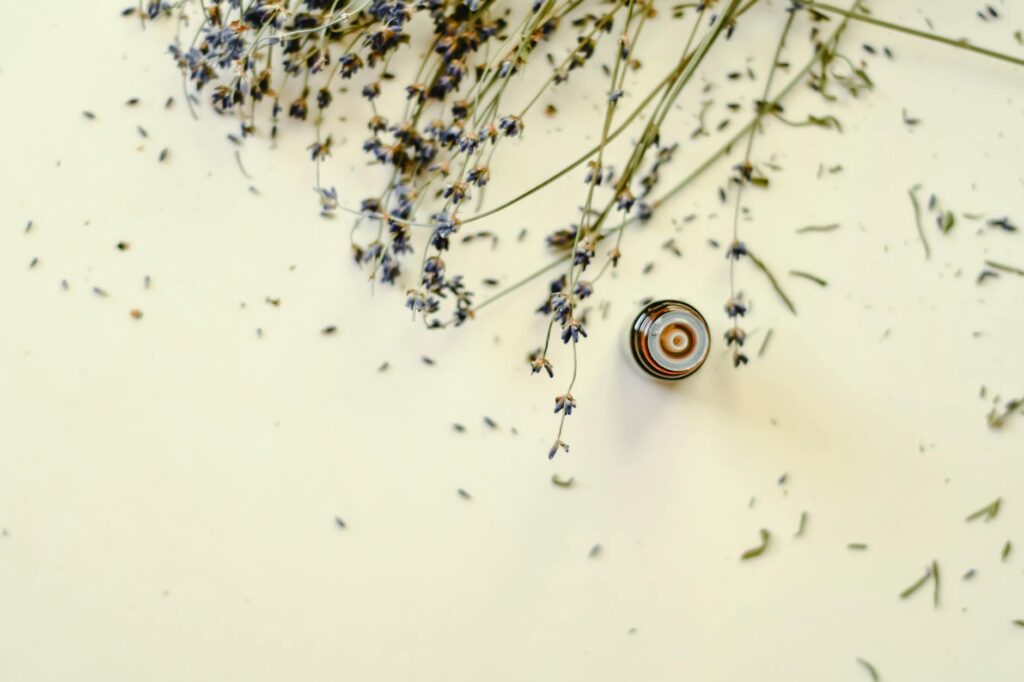
Lavender oil is a clear to pale yellow liquid derived from the flowering tops of the lavender plant, primarily through steam distillation. It is renowned for its calming scent, which has made it one of the most popular essential oils in the world. The lavender plant itself is native to the Mediterranean region but is now cultivated globally, thriving in various climates and soils.
The chemical composition of lavender oil includes a variety of compounds, with linalool and linalyl acetate being the most prominent. These constituents are responsible for the oil’s characteristic fragrance and many of its beneficial properties.
Key Benefits and Properties
Lavender oil is celebrated for its numerous benefits, which can be categorized into several key properties:
1. Calming and Relaxing
Lavender oil is widely recognized for its calming effects on the mind and body. It is often used to promote relaxation and alleviate stress and anxiety.
2. Sleep Aid
Many individuals turn to lavender oil to aid sleep. Studies have indicated that its soothing aroma may help improve sleep quality and reduce insomnia.
3. Skin Care
Lavender oil possesses antiseptic and anti-inflammatory properties, making it a popular ingredient in skincare products. It may help soothe minor burns, cuts, and insect bites.
4. Anti-inflammatory
The anti-inflammatory properties of lavender oil can assist in reducing swelling and discomfort associated with various conditions.
5. Antioxidant
The oil is rich in antioxidants, which can help combat oxidative stress and support overall skin health.
Common Uses
Lavender oil’s versatility extends to numerous applications, making it a staple in both household and personal care routines. Here are some common uses:
1. Aromatherapy
Lavender oil is frequently used in aromatherapy practices, where it is diffused or inhaled to promote relaxation and mental clarity.
2. Massage
Diluted lavender oil is often used in massage therapy to enhance relaxation and relieve muscle tension.
3. Bath Products
Added to bathwater, lavender oil can create a soothing and relaxing experience, often featured in bath bombs and salts.
4. Home Fragrance
Lavender oil is commonly used in candles, potpourri, and air fresheners for its pleasant aroma.
5. Household Cleaner
Due to its antibacterial properties, lavender oil is sometimes included in homemade cleaning solutions.
Aromatherapy Applications
In aromatherapy, lavender oil is valued for its calming and balancing effects. Here are some specific applications:
1. Diffusion
Using a diffuser, lavender oil can be dispersed into the air, promoting a serene atmosphere. It is particularly beneficial in bedrooms or relaxation spaces.
2. Inhalation
Inhaling lavender oil directly from the bottle or through a cotton ball can provide immediate calming effects.
3. Blending
Lavender oil blends well with other essential oils, such as bergamot, chamomile, and cedarwood, enhancing the overall aromatic experience.
4. Bathing
Adding a few drops of lavender oil to a warm bath can create a tranquil environment conducive to relaxation.
Safety Considerations
While lavender oil is generally considered safe for most people when used appropriately, there are some important safety considerations to keep in mind:
1. Dilution
Essential oils are highly concentrated and should be diluted with a carrier oil (such as coconut or jojoba oil) before applying directly to the skin to reduce the risk of irritation.
2. Allergies
Individuals with allergies to plants in the mint family or prior sensitivities to lavender should perform a patch test before widespread use.
3. Pregnancy and Breastfeeding
Though lavender oil is often considered safe, pregnant or breastfeeding individuals should consult with a healthcare professional before using it.
4. Children
Lavender oil can be used for children over two years of age, but caution is advised. Always consult with a pediatrician for recommendations.
5. Medical Conditions
Individuals with specific medical conditions or those taking medication should seek advice from a healthcare professional prior to using lavender oil.
Storage and Shelf Life
To maintain the quality and efficacy of lavender oil, proper storage is essential. Here are some guidelines:
1. Storage Conditions
Store lavender oil in a cool, dark place, away from direct sunlight and heat sources. A dark glass bottle is ideal as it protects the oil from light degradation.
2. Shelf Life
When stored properly, lavender oil can last between 3 to 5 years. However, it is advisable to check for changes in scent, appearance, or consistency, which may indicate that the oil has gone rancid.
Frequently Asked Questions
1. Can lavender oil be ingested?
Lavender oil is typically not recommended for internal use unless specifically directed by a healthcare professional. Always consult an expert before ingesting essential oils.
2. Is lavender oil safe for pets?
While some pet owners use lavender oil, caution is advised. Always consult with a veterinarian before using essential oils around pets, as some oils can be harmful to animals.
3. How can I use lavender oil for relaxation?
Lavender oil can be used in various ways to promote relaxation, including diffusing it in the air, adding it to a warm bath, or applying it to pulse points (when diluted).
4. Can lavender oil help with headaches?
Many people use lavender oil for headache relief, often through inhalation or topical application. However, individual results may vary, and it is best to consult with a healthcare provider for persistent issues.
5. What should I do if I experience skin irritation?
If you experience any skin irritation after using lavender oil, discontinue use immediately and wash the area with mild soap and water. If irritation persists, consult a healthcare professional.
Conclusion
Lavender oil is a remarkable essential oil with a rich history and a plethora of applications. From its calming properties to its roles in aromatherapy and skincare, lavender oil stands as a versatile tool in both holistic practices and everyday life. By understanding its benefits, uses, and safety considerations, individuals can harness the power of lavender oil effectively and safely, making it a cherished addition to any wellness routine.