
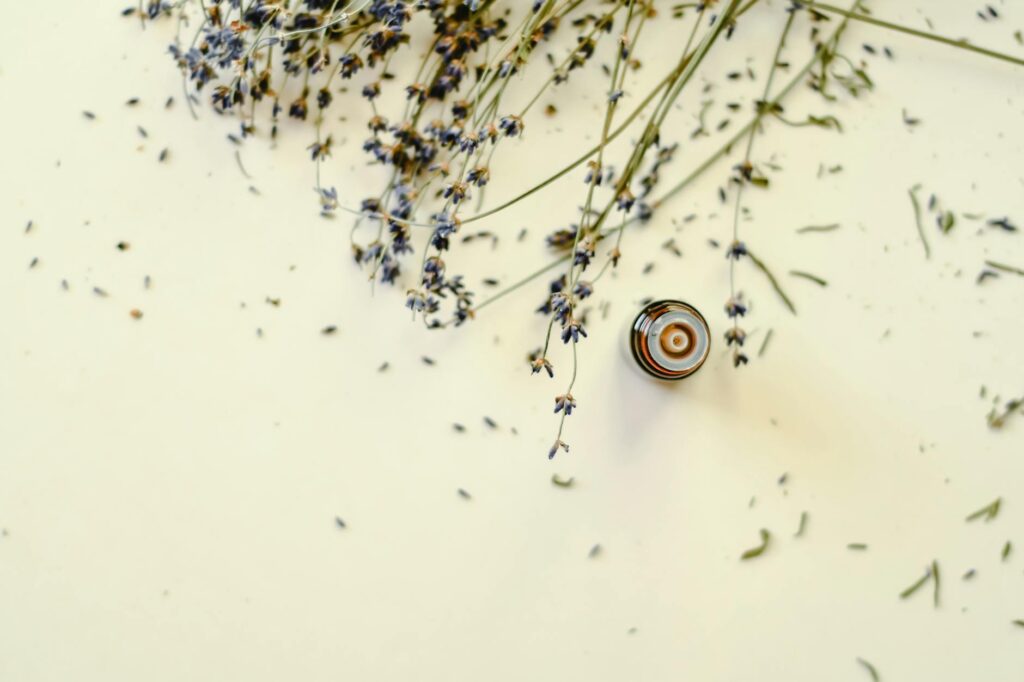
Complete Guide to Lavender Oil Part 16
Introduction
Lavender oil, derived from the flowers of the Lavandula angustifolia plant, has been revered for centuries for its numerous benefits and versatile applications. This guide aims to provide an in-depth exploration of lavender oil, covering its properties, uses, and safety considerations. Whether you are a seasoned practitioner of aromatherapy or simply curious about essential oils, this comprehensive article will enhance your understanding of lavender oil.
What Is Lavender Oil?
Lavender oil is an essential oil obtained through the steam distillation of the flowering tops of the lavender plant. The process preserves the plant’s aromatic compounds, resulting in a concentrated oil that captures the distinctive floral scent of lavender. While there are various species of lavender, the most commonly used for oil production is Lavandula angustifolia, often referred to as true lavender.
The oil is characterized by its pale yellow to clear appearance and has a sweet, floral fragrance with herbaceous undertones. Lavender oil is noted for its versatility and is a staple in many households, wellness practices, and natural remedies.
Key Benefits and Properties
Lavender oil is celebrated for its wide range of beneficial properties, which can be categorized into several key areas:
1. Relaxation and Stress Relief: Lavender is well-known for its calming effects. The oil is often used to promote relaxation and alleviate feelings of stress and anxiety.
2. Sleep Aid: Many individuals utilize lavender oil to improve sleep quality. Its sedative properties may help ease insomnia and promote a restful night’s sleep.
3. Antioxidant Properties: Lavender oil contains compounds that exhibit antioxidant activity, which may help combat oxidative stress in the body.
4. Anti-inflammatory Effects: Research suggests that lavender oil may possess anti-inflammatory properties, which can be beneficial for skin conditions and general inflammation.
5. Antimicrobial Activity: Lavender oil has demonstrated antimicrobial properties, making it useful in personal care products and natural cleaning solutions.
6. Pain Relief: Some studies indicate that lavender oil may help alleviate symptoms of headaches, muscle tension, and joint pain.
Common Uses
Lavender oil is utilized in a variety of applications, reflecting its versatility and wide-ranging benefits. Common uses include:
- Aromatherapy: Diffusing lavender oil in a room can create a calming atmosphere, promoting relaxation and enhancing mood.
- Topical Applications: When diluted with a carrier oil, lavender oil can be applied to the skin to soothe minor irritations, insect bites, and burns.
- Bath Products: Adding lavender oil to baths can enhance relaxation and provide a soothing experience.
- Household Products: Due to its antimicrobial properties, lavender oil is often included in homemade cleaning solutions and air fresheners.
- Personal Care: Lavender oil is a popular ingredient in lotions, shampoos, and perfumes for its pleasant fragrance and skin benefits.
- Dilution: Always dilute lavender oil with a carrier oil before applying it to the skin to prevent irritation.
- Patch Test: Conduct a patch test on a small area of skin before using lavender oil topically to check for any allergic reactions.
- Pregnancy and Nursing: Pregnant or nursing individuals should consult with a healthcare professional before using lavender oil.
- Children: Lavender oil should be used with caution in children. It is advisable to consult with a healthcare provider for safe usage guidelines.
- Interactions: Lavender oil may interact with certain medications, particularly those affecting the central nervous system. Consult a healthcare professional if you are taking medication.
- Storage Conditions: Keep lavender oil in a cool, dark place away from direct sunlight and heat. Exposure to light and heat can degrade the oil’s quality over time.
- Container: Store lavender oil in dark glass bottles to protect it from UV light. Avoid using plastic containers, as chemicals may leach into the oil.
- Shelf Life: When stored properly, lavender oil can last for approximately 3 to 5 years. However, it is advisable to check for any changes in aroma or appearance, as these may indicate that the oil has gone rancid.
Aromatherapy Applications
In the field of aromatherapy, lavender oil is revered for its calming and balancing effects. Here are several ways to incorporate lavender oil into your aromatherapy practices:
1. Diffusion: Use a diffuser to disperse lavender oil into the air. This method allows for an even distribution of the aroma, creating a soothing environment.
2. Inhalation: Inhale lavender oil directly from the bottle or place a few drops on a tissue. This technique can provide immediate relaxation during stressful moments.
3. Massage: Combine lavender oil with a carrier oil (such as sweet almond or jojoba oil) for a calming massage. This not only enhances relaxation but also promotes skin health.
4. Bathing: Add several drops of lavender oil to a warm bath to create a tranquil bathing experience. The heat of the water helps to release the aroma and promote relaxation.
5. Sleep Pillows: Placing a few drops of lavender oil on a cotton ball inside a pillowcase can help promote restful sleep and enhance the overall sleeping environment.
Safety Considerations
While lavender oil is generally considered safe for most individuals, certain precautions should be taken:
Storage and Shelf Life
Proper storage is essential for maintaining the quality and efficacy of lavender oil. Here are some guidelines:
Frequently Asked Questions
1. Can lavender oil be ingested?
Lavender oil is primarily intended for external use and aromatherapy. Ingesting essential oils should be done only under the guidance of a qualified healthcare professional.
2. Is lavender oil suitable for sensitive skin?
While many people can use lavender oil safely, those with sensitive skin should perform a patch test and dilute the oil before use.
3. Can lavender oil help with anxiety?
Lavender oil is often used in aromatherapy for its calming properties, which may help alleviate feelings of anxiety. However, individual results may vary.
4. How can I tell if lavender oil is pure?
To ensure the purity of lavender oil, look for products that are labeled as 100% pure essential oil and those that provide information on sourcing and testing.
5. Can I mix lavender oil with other essential oils?
Yes, lavender oil blends well with various essential oils, including citrus oils, other floral oils, and woody oils. Experimenting with combinations can create unique aromatic profiles.
Conclusion
Lavender oil stands as one of the most versatile and widely used essential oils in the world. Its rich history, coupled with its array of benefits, makes it a valuable addition to any wellness routine. By understanding its properties, uses, and safety considerations, individuals can harness the power of lavender oil to enhance their overall well-being. As with any essential oil, knowledge and caution are key to unlocking its full potential while ensuring safe practices.