
Complete Guide to Lavender Oil Part 2
Introduction
Lavender oil, derived from the flowers of the Lavandula angustifolia plant, is one of the most widely recognized and utilized essential oils in the world. Its popularity spans centuries and cultures, owing to its myriad benefits and versatile applications. This second part of our complete guide to lavender oil delves deeper into its properties, common uses, aromatherapy applications, safety considerations, storage tips, and answers to frequently asked questions.
What Is Lavender Oil?
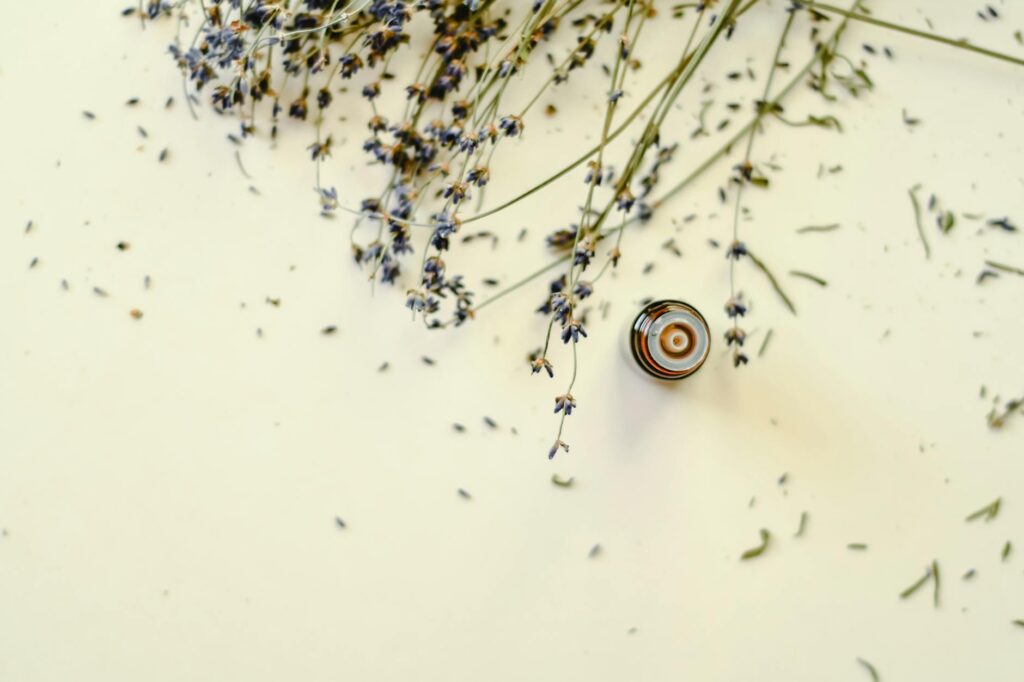
Lavender oil is an essential oil extracted through steam distillation from the flowering tops of the lavender plant. The plant itself is a hardy, aromatic perennial that thrives in warm, temperate climates, primarily in the Mediterranean region. Known for its striking purple flowers and soothing fragrance, lavender has been celebrated not just for its beauty but also for its diverse uses.
The oil contains a complex chemical composition, primarily composed of linalool and linalyl acetate, which contribute to its characteristic scent and therapeutic properties. These compounds interact synergistically, making lavender oil a favorite among essential oil enthusiasts and practitioners alike.
Key Benefits and Properties
Lavender oil is revered for its numerous beneficial properties, which include:
1. Calming and Relaxing: Lavender oil has long been associated with relaxation and stress relief. Its soothing scent is believed to promote a sense of calm, making it a popular choice for individuals seeking respite from anxiety or tension.
2. Antimicrobial Properties: Research has indicated that lavender oil possesses antimicrobial properties, which may help inhibit the growth of certain bacteria and fungi. This quality makes it a common ingredient in natural cleaning products and personal care items.
3. Anti-inflammatory Effects: Lavender oil may help reduce inflammation, making it useful for soothing skin irritations and discomfort.
4. Pain Relief: Some studies suggest that lavender oil can be effective in alleviating mild headaches and muscle aches when used topically or through inhalation.
5. Sleep Aid: Many people use lavender oil as a natural sleep aid. Its calming aroma is often incorporated into bedtime routines to promote better sleep quality.
6. Skin Health: Lavender oil can be beneficial for the skin. It may help with minor burns, cuts, and insect bites, as well as promote an even skin tone.
Common Uses
Lavender oil’s versatility allows it to be used in a variety of applications, including:
- Aromatherapy: Used in diffusers, vaporizers, or inhaled directly for its calming effects.
- Topical Applications: Often diluted with a carrier oil for massage, skincare, or treating minor skin conditions.
- Household Cleaning: Added to natural cleaning products for its antimicrobial properties and pleasant scent.
- Personal Care Products: Commonly found in shampoos, soaps, lotions, and other beauty products.
- Culinary Uses: In small quantities, lavender oil can flavor dishes, teas, and desserts, though caution should be exercised to ensure the oil is food-grade.
- Dilution: Essential oils are potent and should be diluted with a carrier oil before topical application to avoid skin irritation. A common dilution ratio is 2-3 drops of lavender oil per teaspoon of carrier oil.
- Patch Test: Before applying lavender oil to larger skin areas, conduct a patch test on a small area to check for any adverse reactions.
- Pregnancy and Breastfeeding: Pregnant or breastfeeding individuals should consult with a healthcare professional before using lavender oil.
- Children: Lavender oil is often used in children’s products, but it is essential to use lower concentrations and consult with a pediatrician.
- Interactions: Lavender oil may interact with certain medications, particularly sedatives. It is advisable to consult a healthcare professional if on medication.
- Storage Conditions: Lavender oil should be stored in a cool, dark place, away from direct sunlight and heat sources. A cabinet or drawer works well.
- Container: It is best to keep lavender oil in a dark glass bottle, which helps protect it from light degradation. Ensure the bottle is tightly sealed to prevent oxidation.
- Shelf Life: When stored properly, lavender oil typically has a shelf life of 3 to 4 years. However, it is advisable to check for any changes in aroma or consistency before use.
Aromatherapy Applications
In the realm of aromatherapy, lavender oil is celebrated for its ability to promote mental and emotional well-being. Here are some common applications:
1. Diffusion: Using an essential oil diffuser, lavender oil can be dispersed into the air to create a calming atmosphere. This method is often employed before sleep or during meditation sessions.
2. Inhalation: A few drops of lavender oil can be added to a handkerchief or cotton ball and inhaled directly. This technique can provide immediate relaxation during stressful moments.
3. Bathing: Adding lavender oil to bathwater can enhance relaxation. It is often combined with Epsom salts for a soothing soak.
4. Massage: When blended with a carrier oil, lavender oil can be used for massage, providing both physical relaxation and aromatic benefits.
5. Sleep Environment: A few drops on pillowcases or bedsheets can create a tranquil sleeping environment, potentially improving sleep quality.
Safety Considerations
While lavender oil is generally considered safe for use, certain precautions should be taken:
Storage and Shelf Life
Proper storage of lavender oil is essential to maintain its quality and efficacy:
Frequently Asked Questions
1. Can lavender oil be ingested?
While some lavender oils are food-grade, ingestion is generally not recommended without consulting a healthcare professional. Always ensure that the oil is safe for consumption before considering internal use.
2. Is lavender oil safe for pets?
Lavender oil can be toxic to some pets, particularly cats. If you have pets, consult with a veterinarian before using lavender oil in their environment.
3. Can lavender oil help with headaches?
Some individuals find relief from mild headaches through inhalation or topical application of diluted lavender oil. However, results may vary, and it is not a substitute for professional medical treatment.
4. What is the difference between lavender oil and lavender essential oil?
Generally, “lavender oil” refers to the essential oil derived from the lavender plant, while “lavender oil” can also refer to diluted or synthetic versions. It is important to read labels carefully to ensure you are purchasing 100% pure essential oil.
5. How do I know if my lavender oil is pure?
Look for oils labeled as “100% pure” or “therapeutic grade.” Conducting a smell test can also help, as pure lavender oil should have a strong, pleasant aroma.
Conclusion
Lavender oil continues to be a cherished essential oil for its calming properties and diverse applications. Understanding its benefits, uses, and safety considerations can enhance your experience with this remarkable oil. Whether you are incorporating it into your self-care routine, using it for its aromatic qualities, or exploring its household applications, lavender oil remains a timeless staple in the world of aromatherapy and essential oils.