
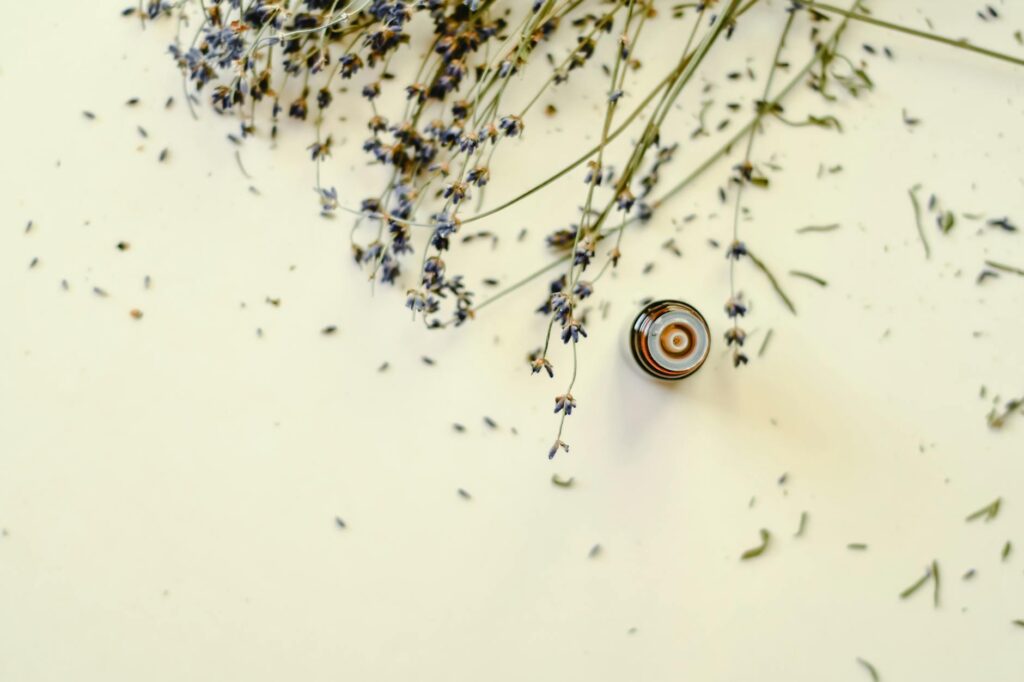
Complete Guide to Lavender Oil Part 4
Introduction
Lavender oil, extracted from the aromatic flowers of the lavender plant (Lavandula angustifolia), has gained significant popularity in both traditional and modern practices. This essential oil is renowned for its soothing aroma and versatile applications. In this article, we will explore the characteristics, benefits, uses, and safety considerations of lavender oil, providing a comprehensive resource for those interested in harnessing its properties.
What Is Lavender Oil?
Lavender oil is an essential oil derived from the flowering tops of the lavender plant, primarily through steam distillation. The resulting oil is a clear to pale yellow liquid that carries a distinctive floral, herbaceous scent. Lavender is native to the Mediterranean region but is now cultivated in various parts of the world, including France, Bulgaria, and the United States. There are several species of lavender, with Lavandula angustifolia being the most commonly used for essential oil extraction due to its high quality and rich aroma.
Key Benefits and Properties
Lavender oil is celebrated for its numerous benefits and properties, making it a staple in aromatherapy and natural wellness practices. Some of the key characteristics include:
- Calming and Relaxing: Lavender oil is well-known for its calming effects, often used to reduce stress and promote relaxation. Its aroma is believed to influence the limbic system, the part of the brain associated with emotions.
- Antimicrobial Properties: Studies suggest that lavender oil exhibits antimicrobial properties, potentially helping to inhibit the growth of certain bacteria and fungi. This makes it a popular choice in natural cleaning products and skincare formulations.
- Anti-inflammatory Effects: Lavender oil is also recognized for its anti-inflammatory properties, which may aid in soothing skin irritations and reducing redness.
- Sleep Aid: Many individuals use lavender oil to improve sleep quality. Its sedative aroma is often employed in bedtime routines to create a calming environment conducive to restful sleep.
- Mood Enhancer: The uplifting scent of lavender oil is often associated with mood enhancement and emotional balance, making it a popular choice in diffusers and personal fragrances.
- Aromatherapy: Often used in diffusers, lavender oil can fill a room with its calming fragrance, promoting relaxation and reducing anxiety.
- Skincare: Due to its antiseptic and anti-inflammatory properties, lavender oil is commonly added to skincare products to promote healthy skin. It may also be used in homemade remedies for minor skin irritations.
- Massage: When diluted with a carrier oil, lavender oil is frequently used in massage therapy to relieve tension and promote relaxation.
- Household Products: Lavender oil is a popular ingredient in natural cleaning products, air fresheners, and laundry detergents due to its pleasant scent and antimicrobial properties.
- Bathing: Adding lavender oil to bathwater can create a soothing and aromatic experience, enhancing relaxation during bathing rituals.
- Diffusion: Using an essential oil diffuser, lavender oil can be dispersed into the air, allowing its soothing aroma to permeate the environment. This method is ideal for creating a calming atmosphere in homes, offices, or during meditation.
- Inhalation: Directly inhaling the scent of lavender oil from the bottle or a cotton ball can provide immediate relaxation and stress relief.
- Topical Application: Lavender oil can be blended with carrier oils such as coconut or jojoba oil and applied to the skin. This method is commonly used for relaxation and skin care.
- Bathing: Adding a few drops of lavender oil to bathwater can provide a tranquil bathing experience, enhancing relaxation and promoting a sense of well-being.
- Sleep Rituals: Incorporating lavender oil into bedtime routines, such as using pillow sprays or applying it to pulse points, can help signal the body that it is time to unwind and prepare for sleep.
- Dilution: Essential oils, including lavender oil, should be diluted with a carrier oil before applying to the skin to prevent irritation. A common dilution ratio is 2-3 drops of essential oil per teaspoon of carrier oil.
- Patch Test: It is advisable to conduct a patch test before using lavender oil topically, especially for those with sensitive skin. Apply a small amount of diluted oil to a discreet area and observe for any adverse reactions.
- Pregnancy and Nursing: Pregnant or nursing individuals should consult a qualified healthcare provider before using lavender oil, as its safety during these periods is not fully established.
- Children: Lavender oil can be used with caution in children over two years old. However, it is important to dilute the oil properly and consult a pediatrician for guidance.
- Allergies: Individuals with known allergies to lavender or related plants should avoid using lavender oil to prevent allergic reactions.
- Storage Conditions: Store lavender oil in a cool, dark place away from direct sunlight and heat. Exposure to light and heat can degrade the oil, reducing its potency.
- Container: Use dark glass bottles to protect the oil from light. Amber or cobalt blue bottles are ideal for preserving essential oils.
- Shelf Life: When stored correctly, lavender oil typically has a shelf life of 2-4 years. However, it is advisable to check for any changes in color, scent, or consistency, as these may indicate that the oil has expired.
Common Uses
Lavender oil’s versatility extends to various applications, including:
Aromatherapy Applications
Aromatherapy employs lavender oil in various techniques to harness its benefits. Some common methods include:
Safety Considerations
While lavender oil is generally considered safe for most individuals when used appropriately, there are important safety considerations to keep in mind:
Storage and Shelf Life
Proper storage is essential to maintaining the quality and efficacy of lavender oil. Follow these guidelines to ensure longevity:
Frequently Asked Questions
1. Can lavender oil be ingested?
While some essential oils can be ingested, it is generally not recommended to ingest lavender oil without the guidance of a qualified professional. Ingestion can lead to adverse effects, and it is essential to consult an expert before considering this method.
2. Is lavender oil safe for pets?
Lavender oil can be toxic to some pets, particularly cats and dogs, when ingested or applied topically. It is best to consult a veterinarian before using lavender oil around pets.
3. Can lavender oil help with anxiety?
Many individuals report that lavender oil helps them feel calmer and more relaxed. However, personal experiences vary, and it is important to consult with a qualified professional for support with anxiety disorders.
4. How can I incorporate lavender oil into my daily routine?
Lavender oil can be incorporated into your daily routine through various methods, such as diffusing it at home, adding it to your skincare products, or using it in relaxation rituals before bedtime.
5. What are some alternatives to lavender oil?
While lavender oil is highly regarded, other essential oils such as chamomile, bergamot, and ylang-ylang also offer calming properties and can be used for similar purposes.
Conclusion
Lavender oil stands out as a beloved essential oil, prized for its calming aroma and multifaceted applications. Whether used in aromatherapy, skincare, or household products, its benefits continue to be celebrated across cultures. By understanding its properties, uses, and safety considerations, individuals can confidently incorporate lavender oil into their wellness routines, enhancing their overall sense of well-being.