
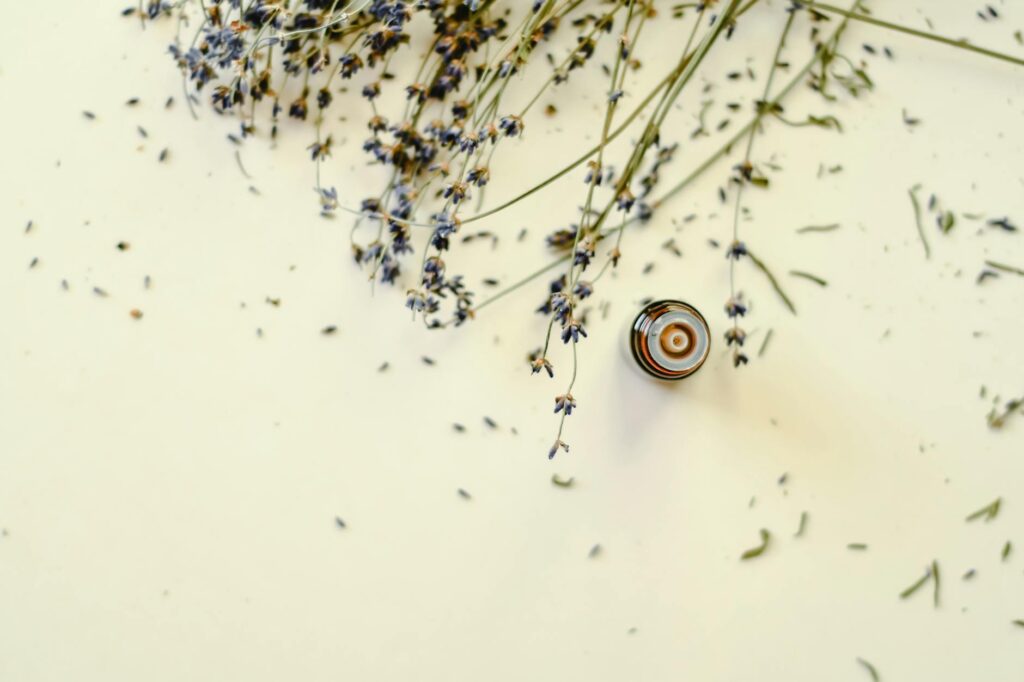
Complete Guide to Lavender Oil Part 5
Introduction
Lavender oil, derived from the flowers of the Lavandula angustifolia plant, has been cherished for centuries for its aromatic properties and myriad uses. This essential oil embodies a rich history, intertwining with cultural traditions and therapeutic practices across various societies. In this comprehensive guide, we will explore lavender oil in detail, covering its characteristics, benefits, applications, safety considerations, and more.
What Is Lavender Oil?
Lavender oil is an essential oil extracted primarily from the flowers of the lavender plant. The extraction process typically involves steam distillation, which ensures the preservation of the oil’s delicate compounds. Known for its soothing scent, lavender oil is often associated with tranquility and relaxation.
Lavandula angustifolia, commonly referred to as English lavender, is the most widely used species for essential oil production. Other varieties, such as Lavandula latifolia (spike lavender) and Lavandula stoechas (French lavender), also yield essential oils but differ in their chemical composition and aroma.
Key Benefits and Properties
Lavender oil is celebrated for its diverse range of benefits, including:
1. Calming Effects: Lavender oil is renowned for its ability to promote relaxation and reduce anxiety. The oil’s calming properties can help alleviate stress and create a sense of peacefulness.
2. Sleep Aid: Many individuals use lavender oil to improve sleep quality. Its soothing aroma has been shown to enhance relaxation, making it a popular choice for bedtime rituals.
3. Antimicrobial Properties: Lavender oil possesses natural antimicrobial properties, which can aid in protecting against certain bacteria and fungi. This quality makes it useful in various herbal formulations.
4. Skin Care: Lavender oil is often included in skincare products due to its potential benefits for the skin. It may help soothe minor burns, insect bites, and skin irritations.
5. Mood Enhancement: The uplifting aroma of lavender oil is known to promote emotional well-being. It may help improve mood and reduce feelings of sadness.
6. Anti-inflammatory Effects: Lavender oil may help alleviate inflammation, making it a popular choice for soothing sore muscles and joints.
Common Uses
Lavender oil’s versatility allows for a wide range of applications, including:
1. Aromatherapy: Lavender oil is a cornerstone of aromatherapy practices, used in diffusers, inhalers, and massage oils to create a calming atmosphere.
2. Bath Products: Adding lavender oil to bath water can enhance relaxation, making it a favored ingredient in bath salts and oils.
3. Household Products: Lavender oil is often incorporated into natural cleaning products due to its pleasant scent and antimicrobial properties.
4. Cosmetic Products: Many skincare formulations, including creams, serums, and lotions, include lavender oil for its soothing and fragrant qualities.
5. Culinary Uses: In small quantities, lavender can be used in culinary dishes and beverages, adding a floral note to various recipes.
Aromatherapy Applications
In aromatherapy, lavender oil is frequently utilized for its calming properties. Here are several ways to incorporate lavender oil into your practice:
1. Diffusion: Using an essential oil diffuser, you can disperse lavender oil throughout a room, creating a serene environment. This method is particularly effective for promoting relaxation during meditation or yoga practice.
2. Inhalation: Inhaling lavender oil directly from the bottle or using a personal inhaler can provide immediate calming effects. This technique is often employed during stressful situations to help maintain composure.
3. Topical Application: When diluted with a carrier oil, lavender oil can be applied to pulse points, such as wrists and temples, to promote relaxation on the go.
4. Bathing Rituals: Adding a few drops of lavender oil to a warm bath can enhance relaxation. The combination of warm water and soothing scents creates a tranquil experience, ideal for winding down after a long day.
5. Massage: Incorporating lavender oil into massage blends can enhance the relaxation experience. Its calming aroma combined with the benefits of touch can help alleviate tension.
Safety Considerations
While lavender oil is generally regarded as safe for most individuals, it is essential to observe certain safety precautions:
1. Dilution: Always dilute lavender oil with a carrier oil, such as jojoba or almond oil, before applying it to the skin. This helps prevent potential skin irritation.
2. Patch Test: Before using lavender oil topically, conduct a patch test on a small area of skin to check for any adverse reactions.
3. Pregnancy and Nursing: Pregnant or nursing individuals should consult a qualified healthcare professional before using lavender oil.
4. Children: Lavender oil can be used in diluted forms for children over two years old. However, it is advisable to consult with a pediatrician for specific guidance.
5. Allergies: Individuals with allergies to plants in the Lamiaceae family (which includes mint, sage, and rosemary) should exercise caution when using lavender oil.
6. Interactions with Medications: Lavender oil may interact with certain medications, including sedatives and blood thinners. Consulting a healthcare professional is recommended before use.
Storage and Shelf Life
Proper storage of lavender oil is crucial to maintaining its quality. Here are some guidelines to ensure optimal preservation:
1. Storage Conditions: Keep lavender oil in a cool, dark place away from direct sunlight and heat sources. Exposure to light and heat can degrade the oil’s quality over time.
2. Container: Store lavender oil in a dark glass bottle with a secure lid. Dark glass helps protect the oil from light exposure, while a tight seal prevents oxidation.
3. Shelf Life: When stored correctly, lavender oil can last for about 3 to 5 years. However, it’s advisable to check for changes in aroma or consistency, which may indicate that the oil has gone rancid.
Frequently Asked Questions
Q1: How is lavender oil extracted?
Lavender oil is typically extracted through steam distillation of the flowers. This method captures the aromatic compounds without altering their properties.
Q2: Can I use lavender oil for cooking?
Yes, lavender oil can be used in cooking, but it should be used sparingly due to its strong flavor. Always ensure that the lavender oil is food-grade and safe for culinary use.
Q3: Is lavender oil safe for pets?
While lavender oil is generally safe for pets in small amounts, some animals may be sensitive. It’s best to consult a veterinarian before using lavender oil around pets.
Q4: How can I incorporate lavender oil into my skincare routine?
Lavender oil can be added to skincare formulations, such as creams or serums, or used in a diluted form as a spot treatment for minor irritations.
Q5: What are the differences between lavender oil and lavender essential oil?
The terms “lavender oil” and “lavender essential oil” are often used interchangeably. However, “lavender essential oil” refers specifically to the concentrated oil extracted from the plant, while “lavender oil” may refer to diluted or blended products.
Conclusion
Lavender oil stands out as one of the most versatile and beloved essential oils in the world of aromatherapy and holistic practices. Its calming properties, diverse applications, and rich history make it an invaluable addition to anyone’s collection of essential oils. By understanding its benefits, uses, and safety considerations, individuals can harness the full potential of lavender oil for personal well-being and enjoyment.