
Complete Guide to Lemon Oil Part 14
Introduction
Lemon oil, derived from the peels of the Citrus limon fruit, is one of the most popular essential oils in the world. Its invigorating scent and versatile properties make it a staple in both aromatherapy and natural wellness practices. This guide aims to provide a comprehensive overview of lemon oil, discussing its composition, benefits, common uses, safety considerations, and more.
What Is Lemon Oil?
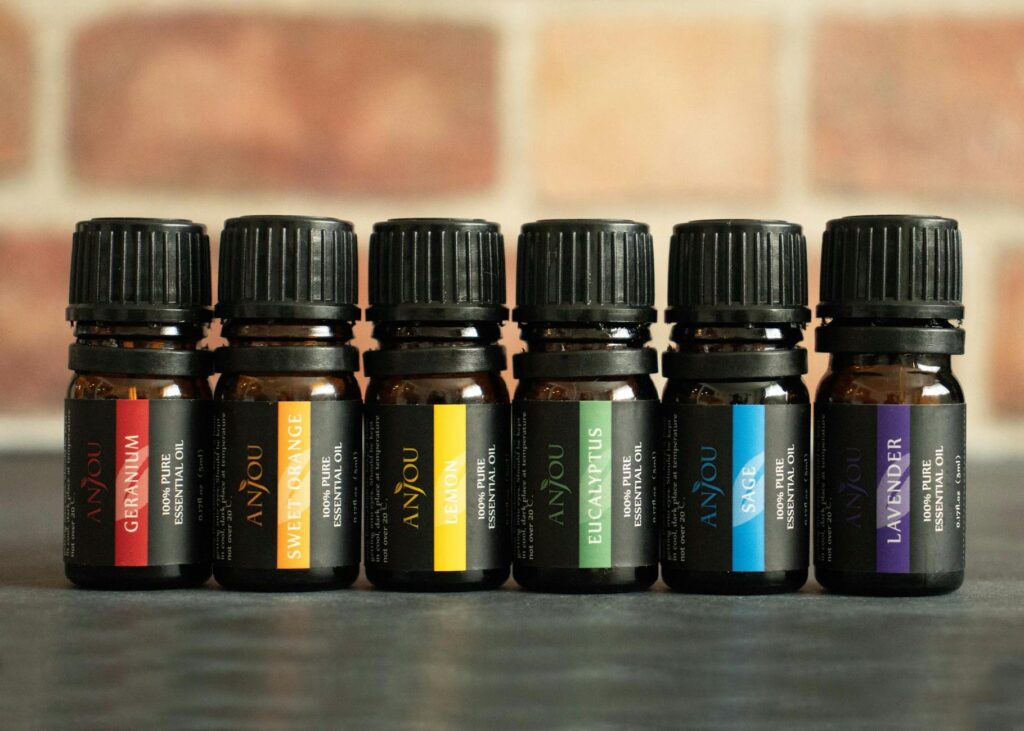
Lemon oil is an essential oil extracted primarily through cold-pressing the fresh peels of lemons. This method retains the oil’s natural properties, making it rich in active compounds such as limonene, beta-pinene, and citral. Known for its bright, citrusy aroma, lemon oil is widely used in a variety of applications, including aromatherapy, cleaning products, and personal care formulations.
The oil is typically pale yellow in color and possesses a fresh, zesty scent that can uplift mood and invigorate the senses. Its versatility and effectiveness have led to its inclusion in numerous products, from household cleaners to cosmetics.
Key Benefits and Properties
Lemon oil boasts a range of beneficial properties, including:
1. Antioxidant Properties: The high concentration of citral and limonene contributes to its antioxidant capabilities, which may help combat oxidative stress in the body.
2. Mood Enhancer: The invigorating scent of lemon oil is known to uplift mood and promote a sense of well-being. It is often used in aromatherapy to combat feelings of anxiety or stress.
3. Antimicrobial Activity: Research has shown that lemon oil possesses antimicrobial properties, which can make it an effective agent for cleaning and disinfecting surfaces.
4. Digestive Support: While not a substitute for medical advice, lemon oil is traditionally associated with digestive health and is often used in culinary applications for its flavor and potential digestive benefits.
5. Skin Care: Lemon oil is sometimes included in skincare products due to its astringent properties, which may help in reducing the appearance of blemishes and oily skin.
Common Uses
Lemon oil has a wide array of applications:
1. Aromatherapy
Lemon oil is frequently used in diffusers or inhalers to create a refreshing environment. It can be blended with other essential oils like lavender or eucalyptus for a synergistic effect.
2. Cleaning Products
Due to its antimicrobial properties, lemon oil is often used in natural cleaning solutions. It can effectively cut through grease and grime while leaving a pleasant scent.
3. Personal Care Products
Lemon oil is a common ingredient in shampoos, lotions, and soaps. Its astringent qualities make it suitable for oily skin types and dandruff treatments.
4. Culinary Uses
Lemon essential oil can be used as a flavoring agent in various dishes, desserts, and beverages. However, it is important to note that culinary-grade lemon oil should be labeled as safe for ingestion.
5. Household Fresheners
A few drops of lemon oil in water can serve as a natural air freshener, providing a clean and uplifting scent without the use of synthetic fragrances.
Aromatherapy Applications
In aromatherapy, lemon oil is celebrated for its uplifting and refreshing properties. Here are some ways to incorporate lemon oil into your practice:
1. Diffusion
Add a few drops of lemon oil to a diffuser to create a bright and energizing atmosphere. It can be particularly beneficial during times of fatigue or low mood.
2. Inhalation
Inhale lemon oil directly from the bottle or place a few drops on a tissue. This method can offer immediate mood enhancement.
3. Blending
Lemon oil blends well with other essential oils. Consider mixing it with oils like peppermint, rosemary, or bergamot for a harmonious aroma.
4. Massage
Dilute lemon oil with a carrier oil such as sweet almond or jojoba and use it for a refreshing massage. This can invigorate the senses and promote relaxation.
Safety Considerations
While lemon oil is generally regarded as safe for most individuals, there are several important safety considerations to keep in mind:
1. Photosensitivity: Lemon oil is phototoxic, meaning it can increase sensitivity to sunlight. It is advisable to avoid sun exposure for at least 12 hours after topical application.
2. Skin Sensitivity: Always dilute lemon oil with a carrier oil before applying it to the skin to minimize the risk of irritation or allergic reactions.
3. Pregnancy and Nursing: Pregnant or nursing individuals should consult a healthcare professional before using lemon oil due to its potent properties.
4. Ingestion: Only use lemon oil that is specifically labeled as safe for ingestion, and consult with a healthcare provider before incorporating it into your diet.
5. Children and Pets: Keep lemon oil out of reach of children and pets. Some essential oils can be harmful to animals, so it’s essential to conduct thorough research before use.
Storage and Shelf Life
Proper storage is crucial to maintaining the quality and efficacy of lemon oil. Here are some tips:
- Store in a Cool, Dark Place: Exposure to heat and light can degrade essential oils. Keep lemon oil in a dark glass or amber bottle in a cool environment.
- Seal Tightly: Ensure the bottle is tightly sealed to prevent oxidation and evaporation of the oil.
- Shelf Life: When stored correctly, lemon oil typically has a shelf life of about 1 to 2 years. Regularly check for changes in scent or appearance, which may indicate that the oil has gone rancid.
Frequently Asked Questions
1. Can lemon oil be ingested?
Only lemon oil specifically labeled for culinary use should be ingested. Always consult a healthcare provider for guidance before incorporating any essential oil into your diet.
2. How can I use lemon oil for cleaning?
Add a few drops of lemon oil to a spray bottle filled with water for a natural cleaner. It can effectively disinfect surfaces and leave a fresh scent.
3. Is lemon oil safe for children?
While lemon oil can be used safely around children, it should be properly diluted and used with caution. Always consult a healthcare provider for specific guidance.
4. How do I blend lemon oil with other essential oils?
Lemon oil can be blended with other essential oils in a diffuser or carrier oil. A common ratio is 5-10 drops of lemon oil to 10-15 drops of a complementary oil.
5. Can lemon oil help with skin issues?
Lemon oil is often included in skincare formulations for its astringent properties, but it should always be diluted before topical application. Perform a patch test to check for skin sensitivity.
Conclusion
Lemon oil is a versatile and beloved essential oil that offers a variety of benefits and applications. From uplifting moods in aromatherapy to serving as a natural cleaning agent, its uses are extensive. However, it is essential to approach its use with care, considering safety guidelines and proper storage practices. Whether you’re a seasoned aromatherapist or a curious beginner, lemon oil can be a valuable addition to your natural wellness toolkit.