
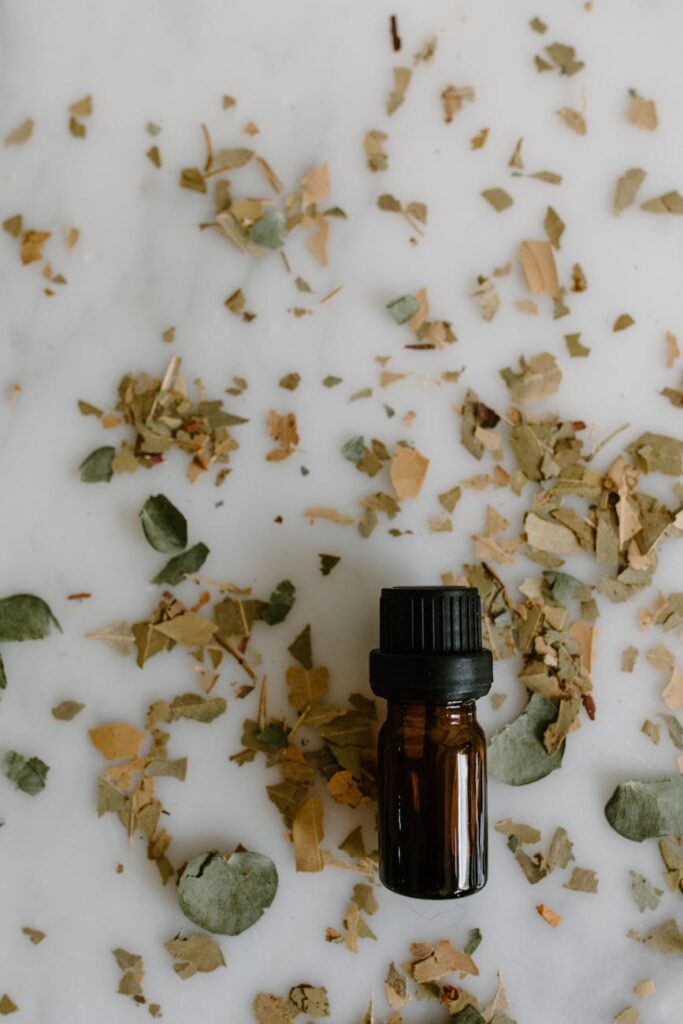
Complete Guide to Lemongrass Oil Safety
Introduction
Lemongrass oil, derived from the leaves and stalks of the Cymbopogon citratus plant, has gained widespread popularity for its refreshing citrus aroma and versatile applications in aromatherapy, household cleaning, and personal care products. While its benefits are well-documented, understanding the safety aspects of lemongrass oil is essential for ensuring its effective and responsible use. This guide aims to provide comprehensive information on the safety considerations related to lemongrass oil, as well as its benefits, common uses, and proper storage methods.
What Is Lemongrass Oil Safety?
Lemongrass oil safety refers to the practices and guidelines that ensure the safe use of this essential oil. Safety encompasses various factors, including potential skin irritation, toxicity levels, and safe usage methods. Being aware of these considerations can help users maximize the benefits of lemongrass oil while minimizing the risk of adverse effects.
Key Benefits and Properties
Lemongrass oil possesses a range of beneficial properties that contribute to its popularity in both aromatherapy and everyday use:
1. Antimicrobial Properties: Lemongrass oil has been shown to possess antimicrobial effects, making it effective against a variety of bacteria and fungi.
2. Anti-inflammatory Effects: The oil is known for its anti-inflammatory properties, which may aid in soothing minor skin irritations.
3. Mood Enhancement: The uplifting scent of lemongrass oil can promote a sense of well-being and reduce feelings of anxiety or stress.
4. Insect Repellent: Due to its strong aroma, lemongrass oil is often used in natural insect repellent formulations.
5. Digestive Support: While not a substitute for medical treatment, lemongrass oil has traditionally been used in some cultures to support digestive health.
Common Uses
Lemongrass oil’s versatility allows it to be used in various applications:
- Aromatherapy: Often used in diffusers and inhalers for its uplifting aroma.
- Household Cleaning: Commonly included in natural cleaning products due to its antimicrobial properties.
- Personal Care Products: Frequently found in soaps, lotions, and shampoos for its fragrance and potential skin benefits.
- Culinary Applications: In some regions, lemongrass oil is used as a flavoring agent in cooking, although culinary use should be approached with caution.
- Storage Conditions: Keep lemongrass oil in a cool, dark place away from direct sunlight and heat sources. Exposure to light and heat can degrade the quality of the oil over time.
- Container: Store lemongrass oil in a dark glass bottle with a secure lid to protect it from light and air exposure. Avoid plastic containers, as essential oils can interact with certain plastics.
- Shelf Life: When stored properly, lemongrass oil can last for about 1-2 years. However, its potency may diminish over time. Always check for any changes in color, smell, or consistency before use.
Aromatherapy Applications
In the realm of aromatherapy, lemongrass oil is valued for its invigorating and clarifying qualities. Here are some common methods of application:
1. Diffusion: Adding a few drops of lemongrass oil to a diffuser can create a bright and uplifting atmosphere in any space. It is often blended with other essential oils like lavender or peppermint for enhanced benefits.
2. Topical Application: When diluted with a carrier oil (such as jojoba or sweet almond oil), lemongrass oil can be applied to pulse points for aromatherapy benefits. Always conduct a patch test to check for skin sensitivity.
3. Inhalation: Inhaling lemongrass oil directly from the bottle or from a cotton ball can provide immediate mood-lifting effects.
4. Bathing: Adding lemongrass oil to bathwater can enhance relaxation and provide a refreshing experience. Ensure it is well-diluted in a carrier oil or bath salt to prevent skin irritation.
Safety Considerations
While lemongrass oil is generally regarded as safe when used appropriately, there are several important safety considerations to keep in mind:
Skin Sensitivity
Lemongrass oil can cause skin irritation in some individuals, especially when used in concentrated forms. It is advisable to dilute lemongrass oil with a carrier oil before applying it topically. A common dilution ratio is 1-2 drops of essential oil per teaspoon of carrier oil. Always perform a patch test by applying a small amount of the diluted oil to a discreet area of skin and waiting 24 hours to check for any adverse reactions.
Allergies
Individuals with known allergies to grasses or members of the Poaceae family should exercise caution. Symptoms of an allergic reaction may include redness, itching, or swelling.
Pregnancy and Nursing
While there is limited research on the effects of lemongrass oil during pregnancy and nursing, it is generally recommended that pregnant and nursing individuals consult with a healthcare professional before using essential oils.
Ingestion
Ingesting essential oils can be dangerous and is not recommended unless supervised by a qualified healthcare practitioner. Lemongrass oil contains compounds that can be toxic in large quantities.
Children and Pets
When using lemongrass oil around children or pets, it is critical to ensure proper dilution and avoid direct application on their skin. Always consult with a veterinarian for advice on essential oil use around pets.
Storage and Shelf Life
Proper storage of lemongrass oil is essential for maintaining its quality and efficacy. Here are some guidelines:
Frequently Asked Questions
Can lemongrass oil be used on the skin?
Yes, but it should always be diluted with a carrier oil to minimize the risk of skin irritation. Conduct a patch test prior to widespread application.
Is lemongrass oil safe for children?
While lemongrass oil can be used around children, it should be adequately diluted and used with caution. It is advisable to consult a healthcare professional before use.
Can I ingest lemongrass oil?
Ingesting essential oils is not recommended without the guidance of a healthcare professional. Lemongrass oil can be toxic in large quantities.
How do I know if lemongrass oil has gone bad?
Signs that lemongrass oil may have expired include changes in color, a rancid or off-putting smell, and a thickened or cloudy consistency. If any of these changes are observed, it is best to discard the oil.
How can I safely use lemongrass oil in a diffuser?
Add a few drops of lemongrass oil to your diffuser’s water reservoir, following the manufacturer’s guidelines. Consider blending it with other essential oils for a more complex aroma.
Conclusion
Lemongrass oil is a versatile and beneficial essential oil that can enhance various aspects of daily life. However, understanding the safety considerations associated with its use is crucial for maximizing its benefits while minimizing risks. By adhering to recommended practices for dilution, storage, and application, users can enjoy the invigorating properties of lemongrass oil safely and effectively. Always prioritize safety and consult professionals when in doubt to ensure a positive experience with this aromatic oil.