
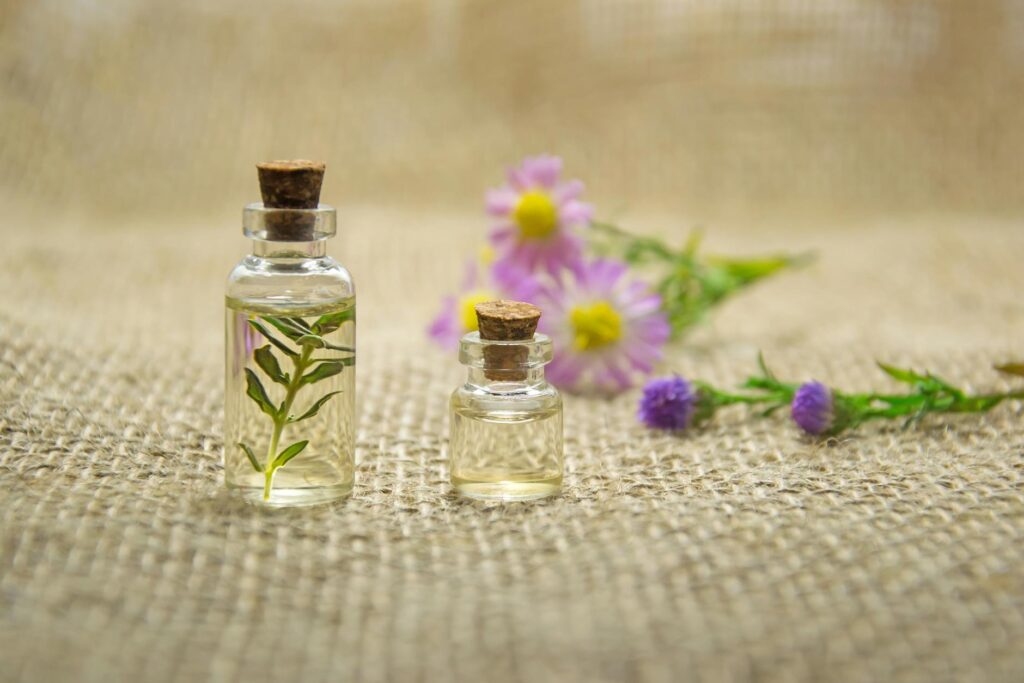
Complete Guide to Lemongrass Oil
Introduction
Lemongrass oil, derived from the leaves and stalks of the lemongrass plant (Cymbopogon citratus), has garnered significant attention for its aromatic and therapeutic properties. Recognized for its fresh, citrusy scent, this essential oil is popular not only in aromatherapy but also in culinary practices and household applications. This guide aims to provide a comprehensive overview of lemongrass oil, including its benefits, uses, safety considerations, and storage tips.
What Is Lemongrass Oil?
Lemongrass is a tropical plant belonging to the grass family, native to regions of Asia, Africa, and Australia. The oil is extracted through steam distillation from the plant’s leaves and stalks, resulting in a clear to pale yellow liquid with a distinct lemon-like aroma. Its chemical composition primarily includes citral, geranial, and neral, which contribute to its fragrance and beneficial properties.
Key Benefits and Properties
Lemongrass oil is celebrated for its multitude of benefits, which can be categorized into several key properties:
1. Antimicrobial Properties: Lemongrass oil demonstrates potent antimicrobial activity, making it effective against a variety of bacteria and fungi. This property makes it a popular choice for natural cleaning products.
2. Anti-inflammatory Effects: The oil is known to possess anti-inflammatory properties, which may help reduce swelling and discomfort when used in topical applications or diffused in the air.
3. Mood Enhancement: The uplifting scent of lemongrass oil is believed to have mood-enhancing effects. It can help alleviate stress and anxiety while promoting a sense of relaxation and mental clarity.
4. Digestive Support: Often used in culinary dishes, lemongrass may aid digestion when ingested in small amounts, although the essential oil should not be consumed directly without proper guidance.
5. Insect Repellent: The natural properties of lemongrass oil make it an effective insect repellent, especially against mosquitoes and other pests.
Common Uses
Lemongrass oil has a wide range of applications, including:
1. Aromatherapy: Frequently used in diffusers, lemongrass oil can create a refreshing and uplifting atmosphere. It is often blended with other essential oils, such as lavender or eucalyptus, to enhance its benefits.
2. Massage Oil: When diluted with a carrier oil, lemongrass oil can be used in massages to relieve tension and promote relaxation.
3. Household Cleaner: Due to its antimicrobial properties, lemongrass oil is a popular ingredient in natural cleaning solutions. It can be added to homemade sprays or used in combination with vinegar and water.
4. Culinary Uses: While it is important to note that essential oils should be used with caution in food, lemongrass is frequently used as a flavoring agent in various dishes.
5. Bath Products: Lemongrass oil can be added to bath products, such as bath salts or oils, to enhance the bathing experience with its invigorating scent.
Aromatherapy Applications
In the realm of aromatherapy, lemongrass oil is particularly valued for its uplifting effects. Here are several ways to utilize lemongrass oil in aromatherapy:
1. Diffusion: Add a few drops of lemongrass oil to a diffuser to disperse its refreshing aroma throughout a room. This can help create a calm and focused environment, ideal for work or meditation.
2. Inhalation: For a quick mood boost, inhale the scent directly from the bottle or add a few drops to a cotton ball and place it near your workspace.
3. Blending with Other Oils: Lemongrass oil blends well with oils such as peppermint, tea tree, and lavender. Experiment with different combinations to tailor the aroma to your preference.
4. DIY Room Sprays: Create a natural air freshener by mixing lemongrass oil with water and a small amount of vodka in a spray bottle. Shake well before each use.
5. Relaxing Baths: Add a few drops of lemongrass oil to your bathwater for a refreshing and rejuvenating soak.
Safety Considerations
While lemongrass oil is generally considered safe for most individuals, it is essential to follow some precautions:
1. Dilution: Always dilute lemongrass oil with a carrier oil before applying it to the skin to prevent irritation. Common carrier oils include coconut oil, jojoba oil, or sweet almond oil.
2. Patch Test: Conduct a patch test before using lemongrass oil on a larger area of skin. Apply a small diluted amount to a discreet area and wait 24 hours to check for any adverse reactions.
3. Avoiding Sensitive Areas: Keep lemongrass oil away from sensitive areas such as the eyes and mucous membranes. If contact occurs, rinse thoroughly with water.
4. Pregnancy and Nursing: Pregnant and nursing individuals should consult a healthcare provider before using essential oils.
5. Children and Pets: Exercise caution when using essential oils around children and pets, as they may be more sensitive to the potent nature of these oils.
Storage and Shelf Life
To ensure the longevity and efficacy of lemongrass oil, proper storage is crucial:
1. Storage Conditions: Keep the oil in a cool, dark place, away from direct sunlight and heat sources. A dark glass bottle is ideal for protecting the oil from light exposure.
2. Shelf Life: When stored correctly, lemongrass oil typically has a shelf life of 1 to 2 years. However, always check for changes in aroma, color, or consistency before use.
3. Labeling: If transferring lemongrass oil to a different container, ensure it is clearly labeled with the name and date of purchase.
Frequently Asked Questions
1. Can lemongrass oil be ingested?
Lemongrass oil is highly concentrated and should not be ingested without the guidance of a qualified practitioner. For culinary uses, consider using the fresh or dried herb instead.
2. Is lemongrass oil safe for children?
While lemongrass oil can be used around children, it should always be diluted and used with caution. Consult a healthcare provider for recommendations specific to your situation.
3. How can I use lemongrass oil for headaches?
Inhalation or diffusion of lemongrass oil may help alleviate tension headaches. Additionally, diluted application to the temples may provide relief, but ensure to follow safety protocols.
4. Can I use lemongrass oil as a natural insect repellent?
Yes, lemongrass oil is known for its insect-repelling properties. It can be used in natural sprays or applied in diluted form to exposed skin.
5. Does lemongrass oil have any skin benefits?
Lemongrass oil may help improve the appearance of skin due to its antimicrobial properties. However, it should always be diluted before application and used with caution.
—
In conclusion, lemongrass oil is a versatile and aromatic essential oil with a wide range of benefits and applications. Whether utilized in aromatherapy, household cleaning, or culinary practices, its refreshing scent and properties can enhance various aspects of daily life. As with any essential oil, understanding safe usage practices is essential to maximize its benefits while minimizing any potential risks.