
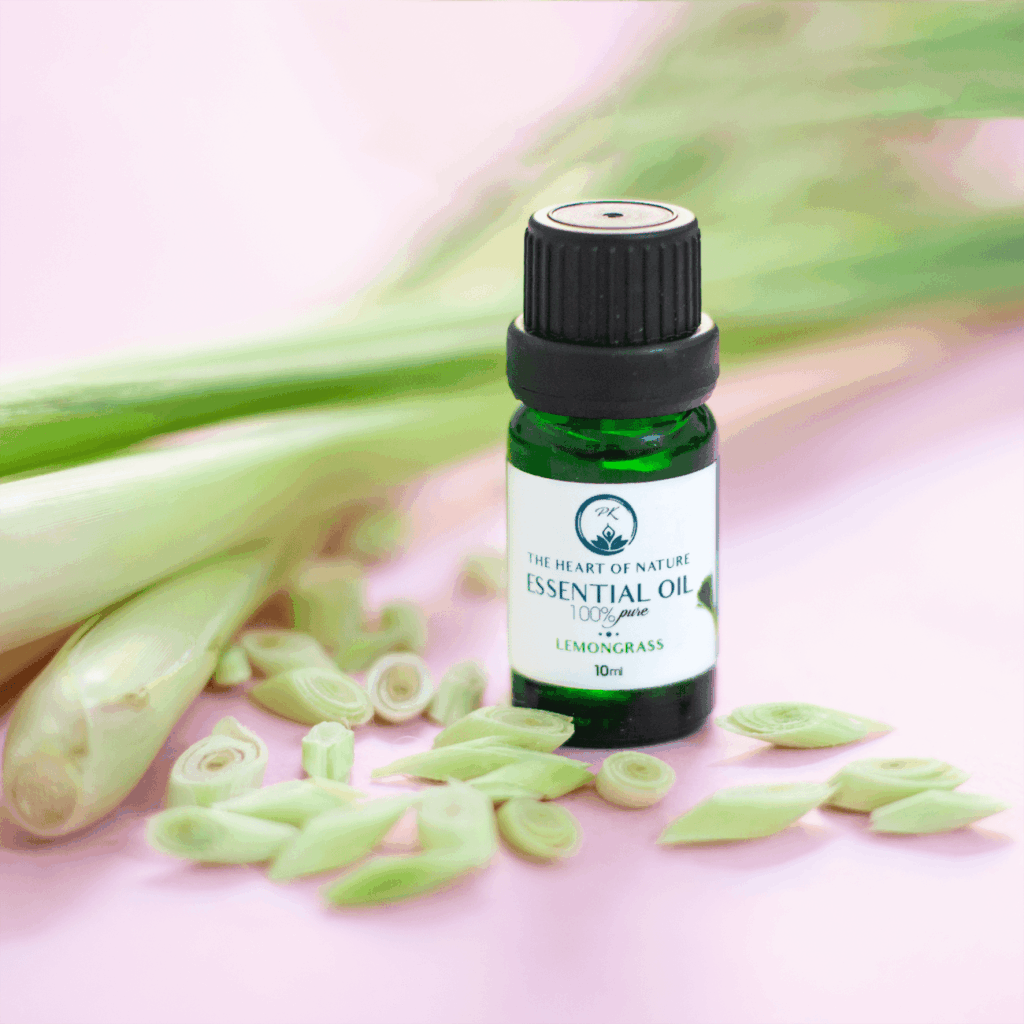
Complete Guide to Macerated Oils
Introduction
Macerated oils have gained popularity in the realms of natural skincare and aromatherapy. These oils are created through a process that infuses a carrier oil with the properties of various plant materials, such as herbs, flowers, or roots. This guide aims to provide a comprehensive understanding of macerated oils, including their benefits, uses, and safety considerations.
What Is Macerated Oils?
Macerated oils are oils that have been infused with the essence of botanical materials. The process involves submerging plant materials in a carrier oil, allowing the oil to absorb the plant’s properties over time. The oil serves as a medium to extract the beneficial compounds, such as essential oils, pigments, and vitamins, from the plant materials.
Process of Maceration
The maceration process can be performed using two primary methods: cold maceration and hot maceration.
1. Cold Maceration: This method involves placing the plant material in a carrier oil and letting it steep at room temperature for an extended period, usually 4-6 weeks. The mixture is shaken occasionally to enhance the infusion process. After the steeping period, the mixture is strained to separate the plant material from the oil.
2. Hot Maceration: In this method, the plant materials are gently heated in the carrier oil, which speeds up the infusion process. The heat helps to release the essential properties from the botanicals more quickly. However, care must be taken not to overheat the oil, as excessive heat can degrade its quality.
Common carrier oils used in maceration include olive oil, jojoba oil, almond oil, and grapeseed oil, each contributing unique properties to the final product.
Key Benefits and Properties
Macerated oils offer a range of benefits due to the plant materials used in their preparation. Some of the key properties include:
- Nourishing: The combined nutrients from the plant material and the carrier oil can provide nourishing effects on the skin and hair.
- Antioxidant: Many plant materials are rich in antioxidants, which can help protect against environmental stressors.
- Moisturizing: Macerated oils can provide deep hydration, making them suitable for dry or sensitive skin.
- Soothing: Certain botanicals used in maceration possess calming properties that can help soothe irritated skin.
- Moisturizers: Macerated oils can be used alone or in combination with other ingredients to create nourishing moisturizers.
- Massage Oils: Due to their smooth texture and skin benefits, macerated oils are often utilized in massage blends.
- Cleansers: Some macerated oils can be effective cleansers, removing makeup and impurities while nourishing the skin.
- Hair Oils: Macerated oils can help in conditioning and nourishing hair, improving its texture and shine.
- Scalp Treatments: Certain macerated oils can be applied to the scalp to promote healthy hair growth and alleviate dryness.
- Topical Applications: Depending on the properties of the infused plant, macerated oils can be used for various topical applications, such as soothing minor irritations or moisturizing dry patches.
- Patch Test: Always perform a patch test before applying a new macerated oil to the skin to check for any allergic reactions or sensitivities.
- Quality of Ingredients: Use high-quality, organic plant materials and carrier oils to ensure the purity and efficacy of the macerated oil.
- Consultation: Consult with a qualified professional or aromatherapist if you are unsure about the suitability of a specific macerated oil for your needs.
- Cool, Dark Place: Store macerated oils in a cool, dark location away from direct sunlight to prevent oxidation.
- Amber or Dark Glass Bottles: Use amber or dark glass containers to further protect the oil from light exposure.
The specific benefits of a macerated oil will depend largely on the plant materials chosen for infusion.
Common Uses
Macerated oils have various applications across skincare, haircare, and natural remedies. Some of the most common uses include:
Skincare
Haircare
Natural Remedies
Aromatherapy Applications
In aromatherapy, macerated oils can serve as a base for creating synergistic blends with essential oils. When combined with essential oils, they can enhance the overall therapeutic properties of the blend.
Blending with Essential Oils
Macerated oils can dilute essential oils, making them safer for topical application. For example, a lavender macerated oil combined with lavender essential oil can create a calming blend suitable for relaxation and stress relief.
Scent Profiles
While macerated oils may not have the intense aroma of essential oils, they can carry subtler scents that contribute to a soothing atmosphere. The scent profile will depend on the plant material used in the maceration process.
Safety Considerations
While macerated oils are generally considered safe, it is essential to keep the following safety considerations in mind:
Storage and Shelf Life
Proper storage is crucial to maintaining the quality and longevity of macerated oils. Here are some guidelines:
Storage Conditions
Shelf Life
The shelf life of macerated oils varies depending on the carrier oil used and the specific plant material. Generally, macerated oils can last anywhere from 6 months to 2 years if stored properly. Regularly check for any changes in color, odor, or consistency, as these may indicate spoilage.
Frequently Asked Questions
How do I make macerated oil at home?
To make macerated oil at home, choose your preferred carrier oil and plant materials. Fill a glass jar with the plant materials, cover them with oil, and let the mixture steep for several weeks. Strain the oil to remove the plant material, and store it in a dark glass bottle.
Can I use macerated oils for cooking?
While some macerated oils can be safe for culinary use, many are intended for topical applications. Always check the suitability of the specific ingredients used in maceration before considering them for cooking.
Are macerated oils the same as infused oils?
Yes, macerated oils and infused oils are terms often used interchangeably. Both refer to the process of infusing a carrier oil with the properties of plant materials.
Can I combine different macerated oils?
Yes, combining different macerated oils can create unique blends that harness the properties of multiple botanicals. Ensure the oils are compatible in terms of scent and benefits.
Is it safe to use macerated oils during pregnancy?
While many macerated oils are considered safe, some plant materials may not be advisable during pregnancy. It is essential to consult a healthcare provider before using any new products during this time.
Conclusion
Macerated oils are a versatile addition to the world of natural skincare and aromatherapy. Understanding their benefits, uses, and proper handling can empower individuals to incorporate these oils into their self-care routines. Whether for soothing skin, promoting hair health, or creating aromatic blends, macerated oils offer a wealth of opportunities for enhancing well-being.