
Complete Guide to Mandarin Oil
Introduction
Mandarin oil, derived from the peel of the mandarin orange (Citrus reticulata), is a popular essential oil in the realm of aromatherapy and natural wellness. Known for its refreshing, sweet, and uplifting aroma, it has been used for centuries in various cultures for its potential benefits and pleasing fragrance. This guide aims to provide a comprehensive overview of mandarin oil, including its properties, uses, safety considerations, and more.
What Is Mandarin Oil?
Mandarin oil is extracted from the zest of the mandarin orange, a small citrus fruit that is easy to peel and has a sweet, tangy flavor. The oil is typically obtained through cold-pressing, a method that preserves the oil’s natural properties and aroma. Mandarin oil is characterized by its bright orange color and a sweet, citrusy scent that evokes feelings of joy and positivity.
Types of Mandarin Oil
There are different varieties of mandarin oil, including:
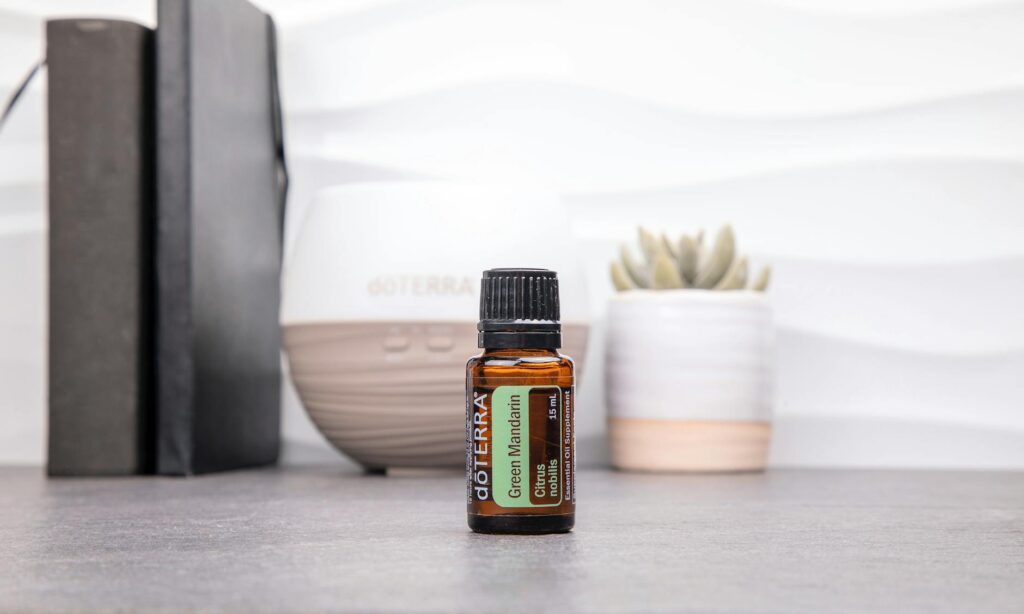
- Green Mandarin Oil: Extracted from unripe fruit, this oil has a more herbaceous aroma and is often considered to have a unique profile compared to its ripe counterpart.
- Red Mandarin Oil: Sourced from fully ripe fruit, this oil is sweeter and more fragrant.
- Tangerine Oil: While often confused with mandarin, tangerine oil comes from a different variety (Citrus tangerina) but shares many aromatic and therapeutic properties.
- Limonene: Known for its uplifting and energizing effects.
- Gamma-terpinene: Recognized for its potential calming properties.
- Beta-pinene: Often associated with a refreshing aroma.
Key Benefits and Properties
Mandarin oil is rich in various compounds that contribute to its beneficial properties. Some of the key constituents include:
Emotional Benefits
Mandarin oil is often praised for its potential to enhance mood and promote relaxation. Its cheerful scent can help alleviate feelings of anxiety and stress, making it a popular choice in aromatherapy practices.
Physical Properties
While mandarin oil is not intended for medicinal use, it is believed to possess certain properties that may offer support for skin health and digestion when used in topical applications or as part of a massage blend.
Common Uses
Mandarin oil has a wide array of applications, which can be categorized into several areas:
Culinary Uses
In some cultures, mandarin oil is used to enhance the flavor of dishes, desserts, and beverages. Its sweet, citrusy taste adds a unique twist to various recipes. However, it is essential to ensure that the oil is food-grade if used in culinary applications.
Skincare
Due to its potential skin benefits, mandarin oil can be found in various cosmetic products. It is often included in formulations aimed at promoting a healthy complexion or addressing issues such as oily skin.
Household Uses
Mandarin oil can be utilized as a natural cleaner, thanks to its antibacterial properties and refreshing scent. It can be added to homemade cleaning solutions or used in diffusers to purify the air.
Aromatherapy Applications
In aromatherapy, mandarin oil is used for its uplifting and calming effects. It is commonly diffused in living spaces or added to massage oils for relaxation.
Diffusion
When diffused, mandarin oil creates a warm and inviting atmosphere. It can promote feelings of happiness and relaxation, making it an excellent choice for family gatherings or quiet evenings at home.
Massage
Incorporating mandarin oil into massage blends may enhance the overall experience. Its sweet aroma can help create a soothing environment, while its potential skin benefits can nourish the skin.
Bathing
Adding a few drops of mandarin oil to bathwater can create a refreshing and invigorating bathing experience. It promotes relaxation and can help uplift the spirits after a long day.
Safety Considerations
While mandarin oil is generally considered safe for most individuals, it is essential to follow certain guidelines to ensure safe usage.
Skin Sensitivity
Before applying mandarin oil to the skin, it is advisable to conduct a patch test. Diluting the oil with a carrier oil, such as jojoba or sweet almond oil, can minimize the risk of irritation.
Phototoxicity
Some citrus oils, including mandarin, can be phototoxic, meaning they may cause skin sensitivity when exposed to sunlight. It is advisable to avoid sun exposure after applying mandarin oil topically.
Pregnancy and Children
While mandarin oil is often considered safe for children and during pregnancy, it is always best to consult a qualified professional before use.
Storage and Shelf Life
Proper storage of mandarin oil is crucial for maintaining its quality and extending its shelf life. Essential oils should be stored in a cool, dark place, preferably in dark glass bottles to protect them from light and heat.
Shelf Life
Typically, mandarin oil can last for about 1 to 2 years if stored correctly. However, it is essential to check for any changes in aroma or appearance, as these may indicate that the oil has degraded.
Frequently Asked Questions
1. Can mandarin oil be ingested?
While some culinary-grade essential oils can be ingested, it is crucial to use only those specifically labeled for internal use. Always consult a healthcare professional before consuming any essential oil.
2. Is mandarin oil safe for children?
Mandarin oil is generally considered safe for children when used appropriately. However, it is advisable to consult a healthcare professional for personalized advice.
3. How can I use mandarin oil in a diffuser?
To use mandarin oil in a diffuser, add a few drops (typically 3-5) to the water reservoir, depending on the size of the diffuser. Turn it on and enjoy the uplifting aroma.
4. Can I mix mandarin oil with other essential oils?
Yes, mandarin oil blends well with various essential oils, including lavender, bergamot, and frankincense. Experimenting with different combinations can yield unique and pleasant aromas.
5. Where can I purchase high-quality mandarin oil?
High-quality mandarin oil can be found at health food stores, specialty aromatherapy shops, and online retailers. It is essential to choose oils that are 100% pure and free from synthetic additives.
Conclusion
Mandarin oil stands out as a versatile and delightful essential oil, known for its uplifting scent and various applications. Whether used in aromatherapy, skincare, or culinary endeavors, it offers a refreshing touch to daily life. As with any essential oil, understanding its properties and following safety guidelines are essential for enjoying its benefits to the fullest.