
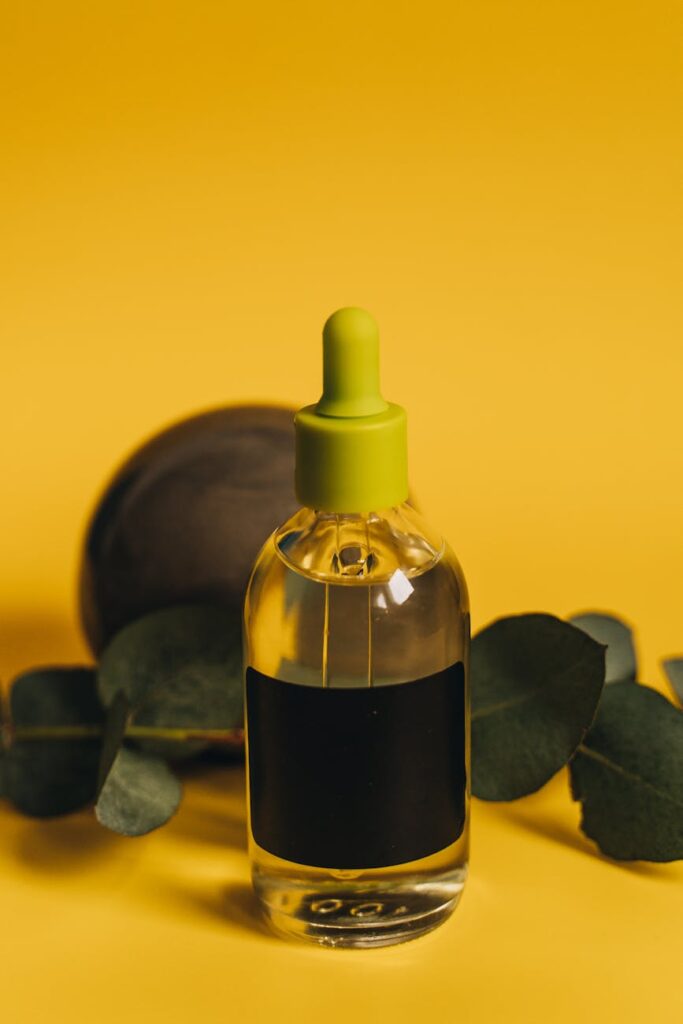
Complete Guide to Maracuja Oil
Introduction
Maracuja oil, also known as passion fruit oil, has garnered attention for its versatile applications in skincare, culinary arts, and aromatherapy. Extracted from the seeds of the Passiflora edulis plant, this oil is celebrated for its nourishing properties and delightful fragrance. This guide will explore the origins, benefits, and uses of maracuja oil, as well as safety considerations and storage tips.
What Is Maracuja Oil?
Maracuja oil is derived from the seeds of the passion fruit plant, which is native to South America. The extraction process typically involves cold pressing the seeds, preserving the oil’s natural properties and nutrients. The oil is characterized by its light, non-greasy texture and a subtle, fruity aroma that can enhance various applications. Rich in essential fatty acids, vitamins, and antioxidants, maracuja oil has become a staple in natural skincare and wellness.
Key Benefits and Properties
Maracuja oil boasts an impressive profile of beneficial components, making it a sought-after ingredient in many formulations. Here are some key benefits and properties:
Nutrient-Rich Composition
1. Fatty Acids: Maracuja oil is high in linoleic acid (omega-6) and oleic acid (omega-9), essential for maintaining skin hydration and elasticity.
2. Vitamins: The oil contains vitamins A and C, which are known for their antioxidant properties and ability to promote skin health.
3. Antioxidants: Antioxidants help combat oxidative stress, which can lead to premature aging and skin damage.
Skincare Benefits
- Moisturizing: The non-comedogenic nature of maracuja oil allows it to hydrate without clogging pores, making it suitable for various skin types, including oily and acne-prone skin.
- Soothing: The oil can help alleviate the appearance of redness and irritation, providing a calming effect on sensitive skin.
- Anti-Aging: Its rich antioxidant content may contribute to reducing the appearance of fine lines and wrinkles.
- Conditioning: Maracuja oil can be used as a hair conditioner to add shine and softness, making it an excellent choice for dry or damaged hair.
- Scalp Health: The oil can help soothe an irritated scalp and may support overall hair health.
- Facial Oils: Often used in serums and facial oils for its moisturizing properties.
- Lotions and Creams: Incorporated into body lotions and creams to enhance hydration.
- Cleansers: Used in oil-based cleansers for its ability to dissolve makeup and impurities.
- Shampoos and Conditioners: Added to hair care products for its nourishing properties.
- Hair Masks: Used in deep conditioning treatments to restore moisture and shine.
- Patch Test: Always perform a patch test before using maracuja oil on larger areas of the skin. Apply a small amount to the inner arm and observe for any adverse reactions for 24 hours.
- Dilution: When using maracuja oil in skincare, it is advisable to dilute it with a carrier oil to minimize the risk of irritation.
- Individuals with known allergies to passion fruit or related plants should avoid using maracuja oil.
- While maracuja oil can be used in culinary applications, it should be consumed in moderation. Consult with a professional before incorporating any new oils into your diet.
Hair Care Benefits
Common Uses
Maracuja oil can be utilized in various ways, both in cosmetic formulations and everyday applications. Here are some common uses:
Skincare Products
Hair Care Products
Culinary Applications
While maracuja oil is primarily known for its skincare benefits, it can also be used in culinary settings. It can be drizzled over salads, incorporated into dressings, or used as a flavoring agent in desserts, although its use in cooking should be approached with caution due to its delicate nature.
Aromatherapy Applications
Maracuja oil is not commonly used as a standalone essential oil in aromatherapy, but its pleasant fragrance can be blended with other essential oils to create calming and uplifting blends. It pairs well with citrus oils, floral oils, and other fruit oils to promote relaxation and enhance mood.
Blending Guidelines
1. Citrus Oils: Combining maracuja oil with oils such as orange or lemon can create an invigorating blend suitable for uplifting the spirit.
2. Floral Oils: Pairing with lavender or chamomile may yield calming effects, beneficial for relaxation and stress relief.
Diffusion
Maracuja oil can be added to a diffuser along with other essential oils to create a pleasant atmosphere in any space.
Safety Considerations
While maracuja oil is generally considered safe for topical use, it is important to keep the following safety considerations in mind:
Skin Sensitivity
Allergies
Internal Use
Storage and Shelf Life
To ensure the longevity and effectiveness of maracuja oil, proper storage is essential.
Storage Guidelines
1. Cool, Dark Place: Store the oil in a cool, dark location away from direct sunlight and heat sources to prevent oxidation.
2. Tightly Sealed Containers: Use amber or dark glass bottles to protect the oil from light exposure. Always ensure the container is tightly sealed to avoid contamination.
Shelf Life
When stored correctly, maracuja oil typically has a shelf life of 1 to 2 years. However, always check for signs of rancidity, such as an off smell or change in texture, before use.
Frequently Asked Questions
Can maracuja oil be used for all skin types?
Yes, maracuja oil is suitable for various skin types, including oily, dry, and combination skin. Its lightweight texture makes it an excellent choice for those prone to breakouts.
Is maracuja oil safe for sensitive skin?
While maracuja oil is generally safe for sensitive skin, it is recommended to perform a patch test before use to ensure there are no adverse reactions.
Can maracuja oil be used as a carrier oil for essential oils?
Yes, maracuja oil can be used as a carrier oil for diluting essential oils for topical application.
How can I incorporate maracuja oil into my skincare routine?
You can add maracuja oil to your skincare routine by mixing it with your favorite moisturizer, using it in a DIY facial serum, or applying it directly to dry areas of the skin.
Is maracuja oil edible?
Yes, maracuja oil can be used in culinary applications, but it should be consumed in moderation and with caution. Always check for quality and suitability for consumption.
Conclusion
Maracuja oil is a remarkable natural oil with a broad spectrum of uses and benefits. Its nutrient-rich composition makes it a valuable addition to skincare and hair care routines, while its delightful fragrance enhances aromatherapy applications. By understanding its properties, common uses, and safety considerations, individuals can enjoy the many advantages of this versatile oil safely and effectively.