
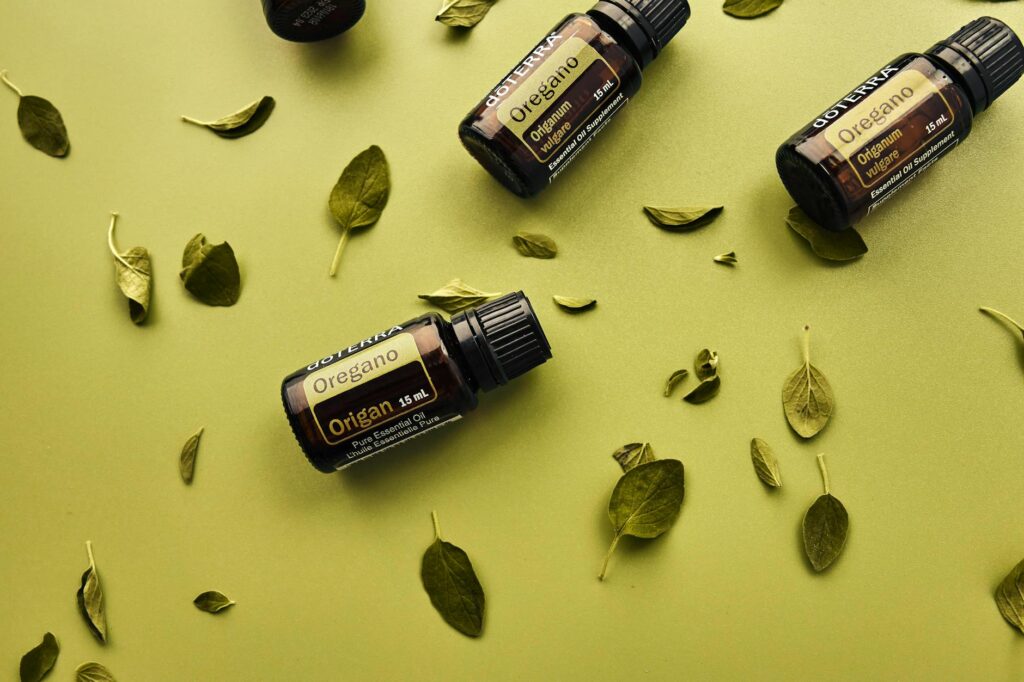
Complete Guide to Marjoram Oil Part 4
Introduction
Marjoram oil, derived from the Origanum majorana plant, has a rich history and a multitude of applications in aromatherapy, culinary practices, and natural wellness. This essential oil is celebrated for its warm, herbaceous aroma and is often used for its calming properties. In this comprehensive guide, we will explore marjoram oil in-depth, covering its origins, benefits, common uses, and safety considerations.
What Is Marjoram Oil?
Marjoram oil is an essential oil extracted from the leaves of the marjoram plant, a perennial herb belonging to the mint family (Lamiaceae). The oil is typically steam distilled, a method that preserves its aromatic and therapeutic properties. The marjoram plant is native to the Mediterranean region and has been used for centuries in various cultures for cooking and medicinal purposes.
The essential oil possesses a sweet, woody aroma with hints of citrus, making it a popular choice in both aromatherapy and perfumery. Its chemical composition includes compounds such as terpenes, phenols, and alcohols, contributing to its distinctive scent and beneficial properties.
Key Benefits and Properties
Marjoram oil is renowned for its diverse range of benefits, making it a valuable addition to any essential oil collection. Some key properties include:
1. Calming Effects: Marjoram oil is often associated with relaxation and stress relief. Its calming properties make it a popular choice for those seeking to alleviate tension and promote emotional well-being.
2. Antioxidant Activity: Research suggests that marjoram oil has antioxidant properties, which may help protect the body from oxidative stress and support overall health.
3. Antimicrobial Properties: Studies indicate that marjoram oil possesses antimicrobial qualities, which may contribute to its use in natural cleaning products and skin care formulations.
4. Digestive Support: Marjoram has traditionally been used to support digestive health, and its essential oil may help ease digestive discomfort when used appropriately.
5. Muscle Relaxation: The oil is also known for its ability to relax sore muscles and alleviate tension, making it popular for use in massage blends.
Common Uses
Marjoram oil’s versatility allows it to be utilized in a variety of ways:
1. Aromatherapy: Inhalation of marjoram oil can promote relaxation and reduce feelings of anxiety. It is often diffused in spaces to create a calming environment.
2. Massage: When diluted with a carrier oil, marjoram oil can be used in massage to soothe sore muscles and promote relaxation.
3. Skin Care: Due to its antimicrobial and anti-inflammatory properties, marjoram oil can be incorporated into skin care products to address minor skin irritations or to promote a healthy complexion.
4. Culinary Use: While marjoram oil is potent, it can be used sparingly in culinary applications to add flavor to dishes. Caution should be exercised due to its concentrated nature.
5. Household Cleaning: Its antimicrobial properties make marjoram oil a suitable ingredient in natural cleaning solutions.
Aromatherapy Applications
In aromatherapy, marjoram oil is often used in various applications to harness its benefits. Here are some popular methods:
1. Diffusion: Add a few drops of marjoram oil to a diffuser filled with water. This disperses the aroma throughout the room, creating a serene atmosphere.
2. Inhalation: For immediate relaxation, place a few drops of marjoram oil on a cotton ball and inhale deeply. This can be particularly helpful during stressful moments.
3. Bathing: Adding marjoram oil to a warm bath can promote relaxation. Combine it with a carrier oil or bath salts to prevent skin irritation.
4. Massage Blends: Combine marjoram oil with a carrier oil such as sweet almond or jojoba oil for a soothing massage blend. This can help relieve muscle tension and promote relaxation.
5. Sleep Aid: Incorporating marjoram oil into bedtime routines, such as diffusing it in the bedroom or adding it to pillow sprays, may assist in achieving better sleep quality.
Safety Considerations
While marjoram oil is generally regarded as safe when used appropriately, there are some important safety considerations to keep in mind:
1. Dilution: Always dilute marjoram oil with a carrier oil before topical application to prevent skin irritation. A standard dilution ratio is 2-3% essential oil in a carrier oil.
2. Allergic Reactions: Prior to using marjoram oil, perform a patch test to check for any allergic reactions. Apply a small amount of diluted oil on a patch of skin and wait 24 hours for any adverse reactions.
3. Pregnancy and Nursing: Pregnant or nursing individuals should exercise caution and consult a healthcare professional before using marjoram oil.
4. Children: Marjoram oil may not be suitable for young children. Consult a qualified aromatherapist or healthcare provider for guidance on safe use in children.
5. Medical Conditions: Individuals with specific health concerns or conditions should consult a healthcare professional before using marjoram oil, especially if they are taking medications.
Storage and Shelf Life
Proper storage of marjoram oil is essential to maintain its potency and effectiveness. Follow these guidelines:
1. Container: Store marjoram oil in a dark glass bottle to protect it from light and heat, which can degrade the oil.
2. Cool Environment: Keep the oil in a cool, dark place, away from direct sunlight and heat sources.
3. Shelf Life: When stored properly, marjoram oil has a shelf life of approximately 1 to 3 years. Always check for any changes in aroma or appearance before use, as this can indicate that the oil has expired or degraded.
Frequently Asked Questions
1. Can marjoram oil be ingested?
While marjoram oil can be used in culinary applications, it is highly concentrated and should be used with caution. Consult a healthcare professional before ingesting essential oils.
2. How can I use marjoram oil for stress relief?
Diffusing marjoram oil in your living space, adding it to a warm bath, or using it in a massage blend are effective ways to utilize its calming properties for stress relief.
3. Is marjoram oil safe for sensitive skin?
Marjoram oil should always be diluted with a carrier oil prior to topical application, especially on sensitive skin. Conduct a patch test before widespread use to ensure there are no adverse reactions.
4. Where can I purchase quality marjoram oil?
Quality marjoram oil can be found at health food stores, specialty shops, or online retailers that focus on essential oils. Always look for oils that are labeled 100% pure and free from additives.
5. How can I incorporate marjoram oil into my skincare routine?
Marjoram oil can be added to homemade skincare products, such as creams or lotions, or used in a diluted form for spot treatment of minor skin irritations. Always perform a patch test first.
Conclusion
Marjoram oil is a multifaceted essential oil with a rich history and numerous applications. From its calming effects to its potential culinary uses, marjoram oil offers a wide range of benefits. However, it is important to approach its use with caution and respect for safety considerations. By understanding its properties and applications, individuals can effectively incorporate marjoram oil into their daily routines for enhanced well-being.