
Complete Guide to Marjoram Oil Part 5
Introduction
Essential oils have gained popularity in recent years for their diverse applications, ranging from personal care to holistic wellness. Among these oils, marjoram oil stands out for its unique aroma and versatile uses. This guide delves into the properties, benefits, and applications of marjoram oil, offering a comprehensive overview for those interested in incorporating it into their lives.
What Is Marjoram Oil?
Marjoram oil is derived from the leaves of the Origanum majorana plant, a member of the mint family. Native to the Mediterranean region, marjoram has been used for centuries in culinary traditions and for its aromatic properties. The essential oil is extracted through steam distillation, capturing the essence of the plant and its distinctive warm, herbaceous scent.
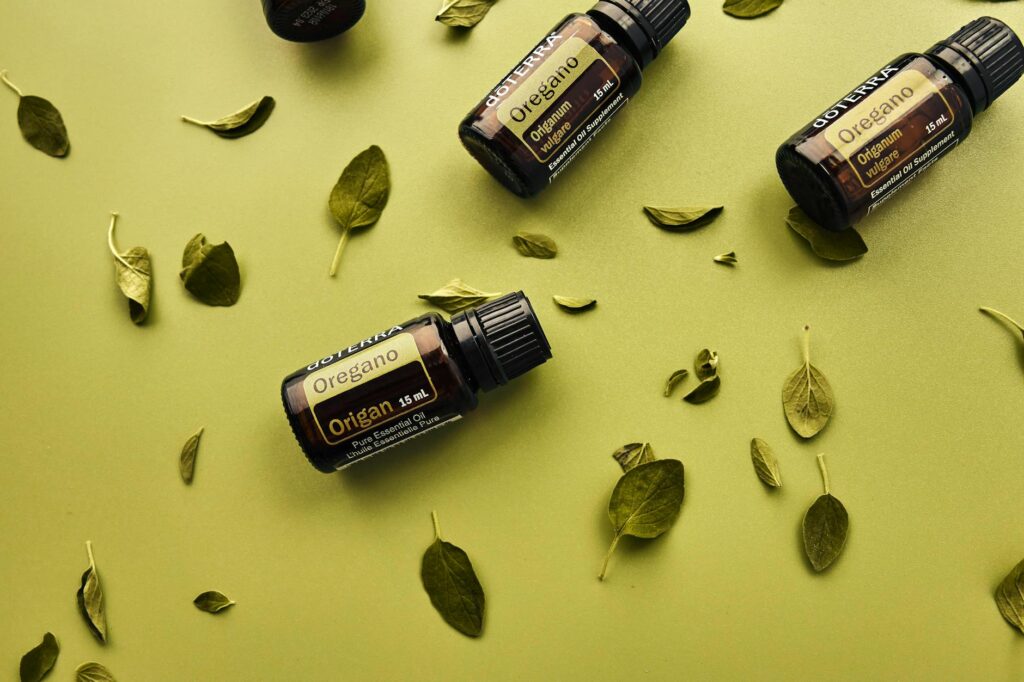
The oil is characterized by its high content of compounds such as terpinen-4-ol, gamma-terpinene, and 1,8-cineole, which contribute to its therapeutic properties. Marjoram oil is often confused with oregano oil, which comes from a different species, Origanum vulgare; however, they possess distinct qualities and uses.
Key Benefits and Properties
Marjoram oil boasts a variety of beneficial properties, making it a valuable addition to any essential oil collection. Some of its key benefits include:
1. Relaxation and Calmness: The warm and soothing aroma of marjoram oil is believed to promote relaxation, making it a popular choice for stress relief and emotional support.
2. Antioxidant Properties: Marjoram oil contains antioxidants that may help combat oxidative stress, contributing to overall wellness.
3. Digestive Aid: Traditionally, marjoram has been used to support digestive health. Its carminative properties may help alleviate discomfort related to bloating and gas.
4. Muscle Relief: The oil’s anti-inflammatory properties may assist in soothing sore muscles and joints, making it a popular choice for massage blends.
5. Immune Support: Some studies suggest that marjoram oil may have immune-boosting properties, helping to fortify the body against seasonal challenges.
Common Uses
Marjoram oil is versatile and can be used in various applications, including:
- Culinary Uses: While marjoram oil is often used in aromatherapy, it can also be utilized in cooking. A few drops can enhance the flavor of soups, stews, and sauces. However, it should be used sparingly due to its potency.
- Massage: When diluted with a carrier oil, marjoram oil can be massaged into sore muscles to relieve tension and discomfort.
- Skin Care: Its soothing properties make it suitable for use in skincare formulations. It is often added to creams and lotions for its calming effects on the skin.
- Household: Marjoram oil can be incorporated into natural cleaning products for its pleasant scent and potential antimicrobial properties.
- Dilution: Essential oils should always be diluted with a carrier oil before topical application to minimize the risk of skin irritation. A common dilution ratio is 2-3 drops of essential oil per tablespoon of carrier oil.
- Allergic Reactions: Conduct a patch test before using marjoram oil on the skin. Apply a diluted drop to a small area and wait 24 hours to check for adverse reactions.
- Pregnancy and Nursing: Pregnant or nursing individuals should consult a healthcare professional before using marjoram oil, as certain essential oils may not be recommended during these periods.
- Medical Conditions: Individuals with certain medical conditions or those taking medications should seek advice from a healthcare provider before incorporating marjoram oil into their routine.
- Dark Glass Bottles: Store marjoram oil in dark glass bottles to protect it from light, which can degrade its therapeutic properties.
- Cool, Dry Place: Keep the oil in a cool, dry environment, away from direct sunlight and heat sources.
- Shelf Life: When stored correctly, marjoram oil typically has a shelf life of 1-3 years. Always check for any changes in aroma or consistency before use, as these may indicate that the oil has expired.
Aromatherapy Applications
In aromatherapy, marjoram oil is often diffused, inhaled, or blended with other essential oils to create a calming atmosphere. Here are some popular applications:
1. Diffusion: Add a few drops of marjoram oil to a diffuser to create a relaxing environment. Its comforting aroma can help reduce stress and promote a sense of well-being.
2. Inhalation: Inhale marjoram oil directly from the bottle or apply a drop to a tissue for on-the-go relaxation.
3. Bath: Adding marjoram oil to a warm bath can provide a soothing experience. Combine it with a carrier oil or Epsom salts to enhance the therapeutic effects.
4. Blending: Marjoram oil blends well with other essential oils, such as lavender, chamomile, and bergamot, creating synergistic effects that enhance relaxation and emotional balance.
Safety Considerations
While marjoram oil is generally recognized as safe for use, there are important safety considerations to keep in mind:
Storage and Shelf Life
Proper storage of marjoram oil is essential to maintain its quality and potency. Here are some tips:
Frequently Asked Questions
1. Can marjoram oil be ingested?
While marjoram oil can be used in culinary applications, it should be consumed with caution and only in small amounts. Always consult an expert before ingesting essential oils.
2. What are the best essential oils to blend with marjoram oil?
Marjoram oil blends well with several essential oils, including lavender, chamomile, bergamot, cedarwood, and rosemary. These combinations can enhance relaxation and emotional balance.
3. How can I use marjoram oil for muscle relief?
To use marjoram oil for muscle relief, dilute a few drops with a carrier oil (such as coconut or jojoba oil) and gently massage it into the affected area.
4. Is marjoram oil safe for children?
Marjoram oil can be used for children but should be heavily diluted and used with caution. Consult with a healthcare professional for guidance on appropriate usage.
5. How can I test for allergies to marjoram oil?
To test for allergies, perform a patch test. Dilute one drop of marjoram oil in a carrier oil and apply it to a small area of skin. Monitor for any signs of irritation or allergic reaction over the next 24 hours.
Conclusion
Marjoram oil is a remarkable essential oil with a rich history and a multitude of uses. From its calming aroma to its potential health benefits, it serves as a valuable addition to aromatherapy practices and holistic wellness routines. By understanding its properties, applications, and safety considerations, individuals can harness the power of marjoram oil to enrich their lives. As with any essential oil, it is essential to approach its use with knowledge and respect, ensuring a safe and rewarding experience.