
Complete Guide to Marula Oil Part 1
Introduction
Marula oil has gained prominence in recent years for its impressive array of benefits and applications. Extracted from the seeds of the marula fruit (Sclerocarya birrea), which is native to various regions in Africa, this oil is celebrated for its rich nutrient profile, including essential fatty acids, antioxidants, and vitamins. This guide aims to provide a comprehensive overview of marula oil, exploring its properties, uses, and applications in aromatherapy and beyond.
What Is Marula Oil?
Marula oil is a light, non-greasy oil extracted from the seeds of the marula tree, which can grow up to 18 meters tall and produces round, yellowish fruits. The marula tree thrives in sub-Saharan Africa, particularly in countries like South Africa, Namibia, Botswana, and Zimbabwe.
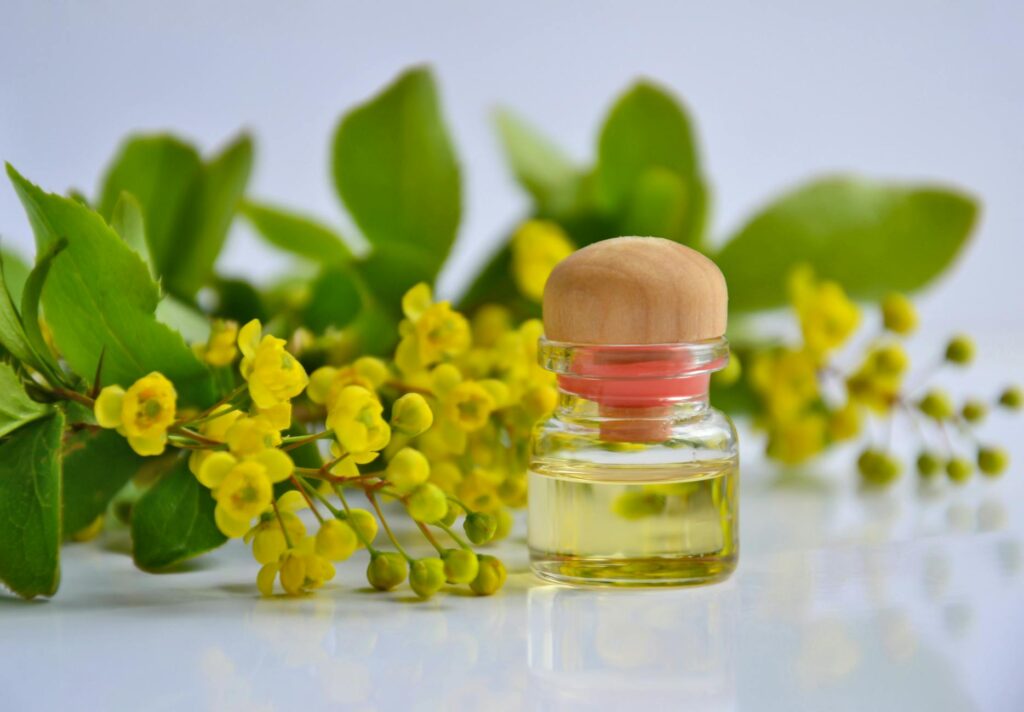
The extraction method typically involves cold-pressing the seeds, a technique that preserves the oil’s nutrient content and enhances its beneficial properties. The resulting oil is pale yellow in color and has a subtle, nutty aroma, making it suitable for various applications, from skincare to culinary uses.
Key Benefits and Properties
Marula oil is rich in several key components that contribute to its beneficial properties:
1. Fatty Acids: It contains oleic acid, linoleic acid, and palmitic acid, which help to nourish the skin and maintain its moisture barrier. Oleic acid, in particular, is known for its emollient properties, making it effective in hydrating dry skin.
2. Antioxidants: Marula oil is high in antioxidants, including vitamin E and phenolic compounds. These antioxidants help combat oxidative stress, which can lead to premature aging and skin damage.
3. Vitamins: The oil is a good source of vitamins C and E, which are essential for skin health. Vitamin C is known for its brightening and collagen-boosting properties, while vitamin E provides moisture and protection against environmental stressors.
4. Anti-Inflammatory Properties: Marula oil has been noted for its potential anti-inflammatory effects, making it beneficial for soothing irritated skin.
5. Non-comedogenic: Marula oil is classified as non-comedogenic, meaning it is unlikely to clog pores, making it suitable for various skin types, including oily and acne-prone skin.
Common Uses
Marula oil has a versatile range of applications across different industries, including beauty, food, and wellness. Here are some of the most common uses:
Skincare
- Moisturizer: Its lightweight texture makes it an excellent moisturizer for both the face and body. It absorbs quickly, providing hydration without leaving a greasy residue.
- Serum: Marula oil can be used as a facial serum, either alone or blended with other oils. Its nourishing properties help to improve skin texture and elasticity.
- Makeup Remover: Its emollient qualities allow marula oil to effectively dissolve makeup, making it suitable for removing both water-based and oil-based products.
- Hair Oil: Marula oil can be used as a hair treatment to add shine, reduce frizz, and moisturize dry, damaged hair. It can be applied directly to the hair or mixed with other oils for enhanced benefits.
- Cooking Oil: Marula oil has a high smoke point, making it suitable for cooking at high temperatures. It can be used in salad dressings, marinades, or drizzled over dishes for added flavor and nutrition.
- Carrier Oil: Due to its skin-friendly properties, marula oil serves as an excellent carrier oil for diluting essential oils in massage therapy.
- Lavender: Known for its calming properties, lavender essential oil can be blended with marula oil for a relaxing massage or skincare treatment.
- Tea Tree: This essential oil is renowned for its antibacterial properties. When combined with marula oil, it can provide a soothing treatment for acne-prone skin.
- Frankincense: This essential oil is often used for its anti-aging properties and can enhance the rejuvenating effects of marula oil in skincare applications.
- Patch Test: Before applying marula oil to larger areas of the skin, it is advisable to perform a patch test. Apply a small amount to a discreet area and monitor for any adverse reactions over 24 hours.
- Allergies: Individuals with nut allergies should approach marula oil cautiously, as it is derived from a seed. Consulting with a healthcare professional is advisable if there are concerns about allergies.
- Pregnancy and Nursing: While marula oil is generally safe, pregnant or nursing individuals should consult with a healthcare professional before use, especially in concentrated forms.
- Storage: Store marula oil in a cool, dark place, away from direct sunlight and heat sources. A dark glass bottle is ideal for preserving the oil’s properties.
- Shelf Life: Typically, marula oil has a shelf life of about 1-2 years when stored properly. Regularly check for any changes in smell, color, or texture, which may indicate that the oil has gone rancid.
Haircare
Culinary Uses
Massage Oil
Aromatherapy Applications
In aromatherapy, marula oil is often appreciated for its subtle, nutty aroma. While it is not traditionally used for its aromatic properties like essential oils, it can be blended with other essential oils to create customized blends.
Blending with Essential Oils
Marula oil complements a variety of essential oils, enhancing their therapeutic effects while providing additional skin benefits. Some popular essential oils to blend with marula oil include:
Safety Considerations
While marula oil is generally considered safe for topical use, there are some considerations to keep in mind:
Storage and Shelf Life
To maintain the quality and efficacy of marula oil, proper storage is essential:
Frequently Asked Questions
1. Can marula oil be used on all skin types?
Yes, marula oil is suitable for various skin types, including dry, oily, and combination skin. Its lightweight and non-comedogenic properties make it an excellent choice for those concerned about clogged pores.
2. Is marula oil safe for sensitive skin?
Many individuals with sensitive skin find marula oil to be soothing and non-irritating. However, it is always best to conduct a patch test before widespread application.
3. How often should marula oil be used in a skincare routine?
Marula oil can be used daily or as needed. It can be applied in the morning or evening, either alone or as part of a multi-step skincare routine.
4. Can marula oil be ingested?
While marula oil is used in culinary applications, it is essential to ensure that the oil is food-grade and sourced from reputable suppliers. Always consult with a healthcare professional before consuming any oils.
5. Where can I purchase high-quality marula oil?
High-quality marula oil can be found in health food stores, specialty beauty shops, and online retailers. Look for products that are cold-pressed and organic, if possible, to ensure the best quality.
Conclusion
Marula oil is a remarkable natural oil with diverse applications and an impressive nutrient profile. From skincare to culinary uses, its benefits extend far beyond its aromatic qualities. Understanding its properties and uses can help individuals make informed choices about incorporating marula oil into their daily routines. In the next part of this guide, we will delve deeper into specific recipes and DIY applications of marula oil, allowing readers to fully harness its potential.