
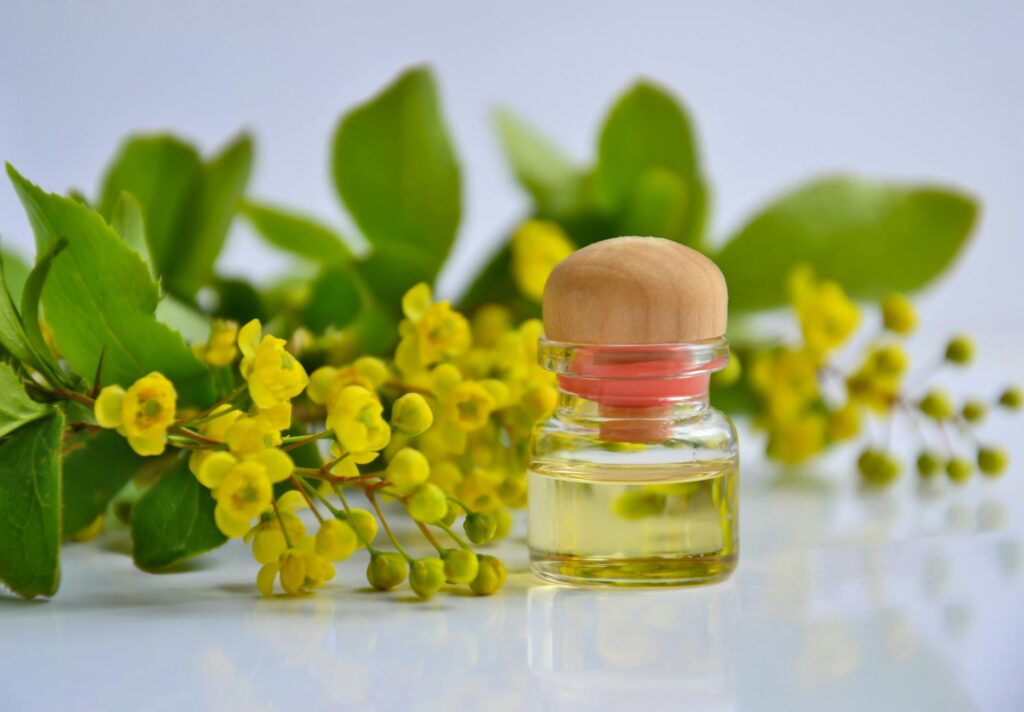
Complete Guide to Marula Oil Part 4
Introduction
Marula oil, derived from the nuts of the marula tree (Sclerocarya birrea), has gained popularity in recent years for its myriad applications in skincare and wellness. This article serves as the fourth part of a comprehensive guide to marula oil, delving deeper into its benefits, uses, and safety considerations, making it a valuable resource for those looking to incorporate this oil into their holistic practices.
What Is Marula Oil?
Marula oil is a light, non-greasy oil extracted from the seeds of the marula fruit, which is native to southern Africa. The fruit itself is rich in nutrients and has been consumed for centuries by local communities for its health benefits. The oil is cold-pressed from the seeds, preserving its delicate nutrients and properties. It is characterized by its light yellow color and a subtle, nutty aroma, making it a favorite in both cosmetic and culinary applications.
Key Benefits and Properties
Marula oil is celebrated for its unique composition, rich in essential fatty acids and antioxidants. Here are some of its key benefits and properties:
1. High Oleic Acid Content: Marula oil contains a high percentage of oleic acid, which is known for its moisturizing properties. This fatty acid helps to nourish and hydrate the skin, making it an excellent choice for dry or aging skin.
2. Antioxidant-Rich: The oil is rich in antioxidants, such as vitamin E and vitamin C, which help to combat oxidative stress and improve skin health. These antioxidants may also aid in the reduction of signs of aging.
3. Anti-Inflammatory Properties: Marula oil possesses anti-inflammatory properties that may help soothe irritated skin and reduce redness. This makes it suitable for sensitive skin types.
4. Non-Comedogenic: Due to its lightweight texture, marula oil is non-comedogenic, meaning it does not clog pores. This makes it a suitable option for those with oily or acne-prone skin.
5. Emollient Qualities: As a natural emollient, marula oil helps to soften and smooth the skin, enhancing its overall texture and appearance.
Common Uses
Marula oil has a wide range of applications, particularly in the fields of skincare, haircare, and culinary uses. Below are some of the most common uses:
Skincare
- Moisturizer: Marula oil can be used as a standalone moisturizer or combined with other products to enhance hydration.
- Facial Serum: It serves as an effective facial serum, often applied before heavier creams to lock in moisture.
- Makeup Remover: The oil can be used to gently remove makeup without stripping the skin of its natural oils.
- Anti-Aging Treatment: Regular use may help reduce the appearance of fine lines and wrinkles due to its high antioxidant content.
- Hair Conditioner: Marula oil can be applied to dry ends to restore moisture and shine.
- Scalp Treatment: A few drops massaged into the scalp may help in reducing dryness and flakiness.
- Cooking Oil: In some cultures, marula oil is used as a cooking oil due to its high smoke point and nutty flavor. It can be drizzled over salads or used in marinades.
- Lavender and Marula Oil: A blend that promotes relaxation and is often used in massage oils.
- Tea Tree Oil and Marula Oil: This combination may help address skin concerns such as acne due to tea tree oil’s antiseptic properties.
- Store in a Cool, Dark Place: Keep the oil away from direct sunlight and heat, as these can degrade its quality over time.
- Use Dark Glass Bottles: If possible, store marula oil in dark glass containers to protect it from light exposure.
- Shelf Life: When properly stored, marula oil has a shelf life of approximately 1 to 2 years. Always check for any changes in smell, color, or texture before use, as these may indicate spoilage.
Haircare
Culinary Uses
Aromatherapy Applications
In aromatherapy, marula oil is often used for its calming and soothing properties. While it is not typically used as an essential oil, its carrier oil qualities make it a popular choice for diluting essential oils. Here’s how marula oil can be integrated into aromatherapy practices:
Blending with Essential Oils
Marula oil can be blended with various essential oils to create personalized aromatherapy formulations. Some popular combinations include:
Diffusion
While marula oil itself is not typically diffused, it can be blended with essential oils for diffusion, enhancing the aromatic experience while providing the benefits of marula oil on the skin when applied topically afterward.
Massage
Due to its smooth texture, marula oil is an excellent base for massage oils, providing nourishment to the skin while offering a relaxing experience.
Safety Considerations
While marula oil is generally considered safe for topical use, there are a few safety considerations to keep in mind:
1. Allergic Reactions: As with any natural oil, it is advisable to perform a patch test before using marula oil extensively on the skin. Apply a small amount to a discreet area and wait 24 hours to check for any adverse reactions.
2. Pregnancy and Nursing: Although marula oil is considered safe for topical use, pregnant or nursing individuals should consult with a healthcare professional before incorporating it into their routine.
3. Interactions with Medications: If you are taking medications or have a medical condition, it is prudent to consult a healthcare provider before using marula oil, especially in combination with other oils or treatments.
4. Quality of Oil: Ensure that you source high-quality, cold-pressed marula oil from reputable suppliers to avoid adulterated products that may contain harmful additives.
Storage and Shelf Life
To maintain the quality and efficacy of marula oil, proper storage is essential:
Frequently Asked Questions
1. Can marula oil be used on all skin types?
Yes, marula oil is suitable for all skin types, including dry, oily, and sensitive skin. Its lightweight texture and non-comedogenic properties make it a versatile option.
2. How do I incorporate marula oil into my skincare routine?
Marula oil can be used as a standalone moisturizer, added to your favorite creams, or used as a facial serum. Apply a few drops directly to the skin after cleansing.
3. Is marula oil safe for children?
While marula oil is generally safe, it is advisable to consult a pediatrician before using it on children, especially for those with sensitive skin.
4. Can marula oil help with acne?
Marula oil may help with acne due to its non-comedogenic nature and anti-inflammatory properties. However, results can vary, and it is best to consult with a skincare professional for personalized advice.
5. How can I use marula oil for my hair?
For hair care, apply a few drops to the ends of your hair to add shine and moisture. It can also be used as a scalp treatment to alleviate dryness.
Conclusion
Marula oil is a remarkable oil with a multitude of benefits and applications, from skincare to haircare and culinary uses. Its rich composition makes it a valuable addition to any wellness routine. Whether you are looking to hydrate your skin, nourish your hair, or explore its culinary potential, marula oil can be a versatile ally in your journey toward holistic wellness. Always remember to consider safety and quality when using this oil to ensure the best possible experience.