
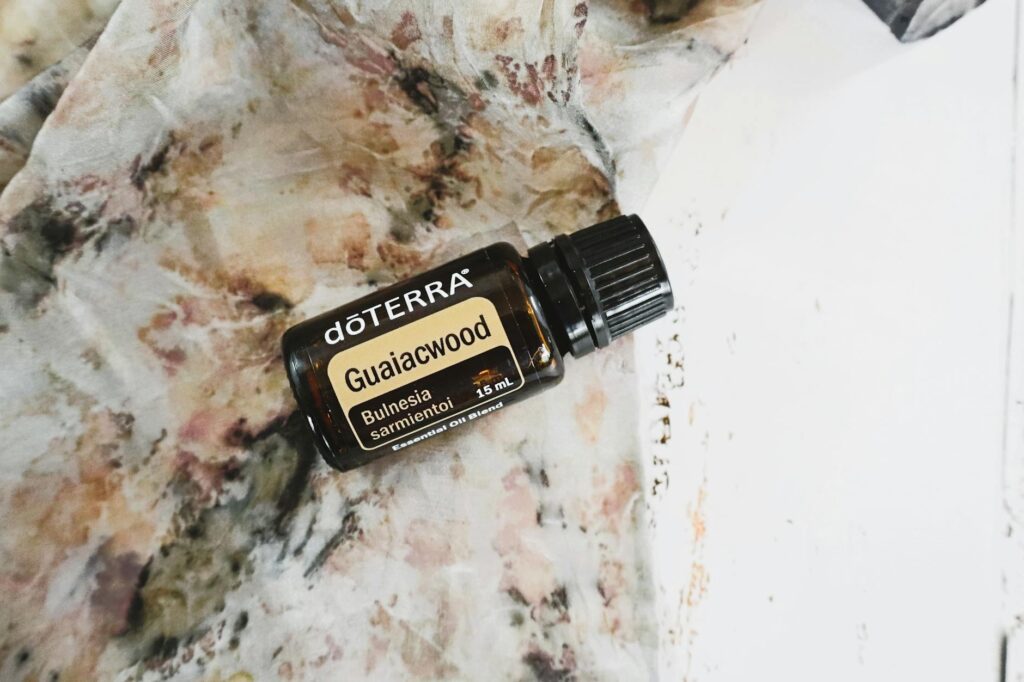
Complete Guide to Marula Oil Part 5
Introduction
Marula oil has gained significant attention in recent years, particularly within the realms of skincare and wellness. Derived from the seeds of the Marula tree (Sclerocarya birrea), native to southern Africa, this oil is celebrated for its numerous benefits and versatile applications. This guide aims to provide a comprehensive overview of marula oil, exploring its properties, uses, and considerations for safe and effective incorporation into your routines.
What Is Marula Oil?
Marula oil is extracted from the nuts of the Marula fruit, which is harvested from the Marula tree. The oil is cold-pressed, a method that helps preserve its nutritional value, aroma, and therapeutic qualities. Rich in essential fatty acids, antioxidants, and vitamins, marula oil is often lauded for its moisturizing, nourishing, and rejuvenating properties. The oil is typically light in texture, allowing it to penetrate the skin easily without leaving a greasy residue.
Key Benefits and Properties
Marula oil is packed with a range of beneficial compounds. Here are some of its key properties:
1. Rich in Antioxidants: Marula oil contains high levels of antioxidants, such as vitamin E and C, which help combat oxidative stress and protect the skin from environmental damage.
2. Essential Fatty Acids: The oil is rich in oleic and linoleic acids, which are vital for maintaining skin hydration and elasticity.
3. Anti-inflammatory Properties: Marula oil has been noted for its anti-inflammatory effects, making it suitable for soothing irritated skin.
4. Non-comedogenic: Due to its light texture, marula oil is less likely to clog pores, making it a favorable option for various skin types, including oily and acne-prone skin.
5. Moisturizing: Its emollient properties allow marula oil to effectively hydrate and nourish the skin, promoting a supple and smooth appearance.
Common Uses
Marula oil is versatile and can be used in various applications. Common uses include:
1. Skincare: Often used as a facial oil, marula oil is known for its ability to hydrate and nourish the skin. It can be applied directly or mixed with other skincare products.
2. Haircare: Marula oil can be used as a leave-in conditioner to enhance shine, reduce frizz, and promote healthy hair growth.
3. Massage Oil: The oil’s smooth texture makes it an excellent choice for massage applications, providing a glide that enhances relaxation.
4. Culinary Uses: In some cultures, marula oil is consumed for its nutritional benefits, although it is more commonly known for its topical applications.
5. Cosmetic Formulations: Marula oil is frequently included in lotions, creams, and serums due to its beneficial properties.
Aromatherapy Applications
While marula oil is primarily used for its skincare and haircare benefits, it can also play a role in aromatherapy. Although it has a mild scent, it can be blended with essential oils to create customized aromatic experiences. Here are some ways to incorporate marula oil into aromatherapy:
1. Carrier Oil: Marula oil serves as an excellent carrier oil for essential oils, diluting strong scents and enhancing skin absorption.
2. Diffusion: While marula oil is not typically used for diffusion, blending it with essential oils in a diffuser can create a soothing and pleasant atmosphere.
3. Topical Application: In aromatherapy, marula oil can be applied to pulse points or areas of tension. When combined with essential oils known for their therapeutic properties, it can enhance the overall experience.
Safety Considerations
While marula oil is generally considered safe for topical use, it is essential to keep the following safety considerations in mind:
1. Patch Test: Before using marula oil extensively, conduct a patch test to check for any allergic reactions or sensitivities. Apply a small amount to a discreet area of skin and monitor for any adverse reactions over 24 hours.
2. Quality of Oil: Ensure you are using high-quality, pure marula oil from a reputable source. Look for organic and cold-pressed options to maximize benefits and minimize exposure to harmful additives.
3. Storage: Proper storage is crucial to maintaining the oil’s integrity. Keep marula oil in a cool, dark place and ensure the bottle is tightly sealed to prevent oxidation.
4. Consultation with Professionals: If you are pregnant, nursing, or have specific skin conditions, consult with a healthcare or skincare professional before incorporating new oils into your routine.
Storage and Shelf Life
To ensure the longevity and effectiveness of marula oil, proper storage is essential. Here are key points to consider:
1. Storage Conditions: Keep marula oil in a cool, dark place, away from direct sunlight and heat sources. Exposure to light and heat can degrade the oil’s quality.
2. Container: Store marula oil in a dark glass bottle, which helps protect it from light exposure. Avoid using plastic containers, as they can leach harmful chemicals over time.
3. Shelf Life: The shelf life of marula oil can vary based on factors such as storage conditions and the oil’s quality. Generally, it can last up to 12-24 months if stored properly. Always check for any changes in color, smell, or consistency before use.
Frequently Asked Questions
1. Can marula oil be used on all skin types?
Yes, marula oil is generally suitable for all skin types, including oily and sensitive skin. Its non-comedogenic nature makes it a versatile option for various skin concerns.
2. Is marula oil safe for use during pregnancy?
While marula oil is considered safe for topical use, it is advisable to consult with a healthcare professional before using any new products during pregnancy.
3. How should I incorporate marula oil into my skincare routine?
Marula oil can be applied directly to the skin, mixed with your moisturizer, or used in serums. Start with a few drops and gradually increase the amount as needed.
4. Can I use marula oil on my hair?
Yes, marula oil can be used on hair to enhance shine, reduce frizz, and moisturize the scalp. It can be applied as a leave-in treatment or mixed with other hair products.
5. What should I look for when purchasing marula oil?
When purchasing marula oil, look for products that are cold-pressed, organic, and packaged in dark glass bottles to ensure quality and purity.
Conclusion
Marula oil stands out as a remarkable natural oil, offering a plethora of benefits and applications across skincare and wellness. Its rich composition of essential fatty acids, antioxidants, and vitamins makes it a valuable addition to beauty routines. By understanding its properties, uses, and safety considerations, individuals can effectively harness the potential of marula oil in their daily lives. Whether used alone or blended with other products, marula oil is a versatile option worth exploring in the vast world of essential oils and aromatherapy.