
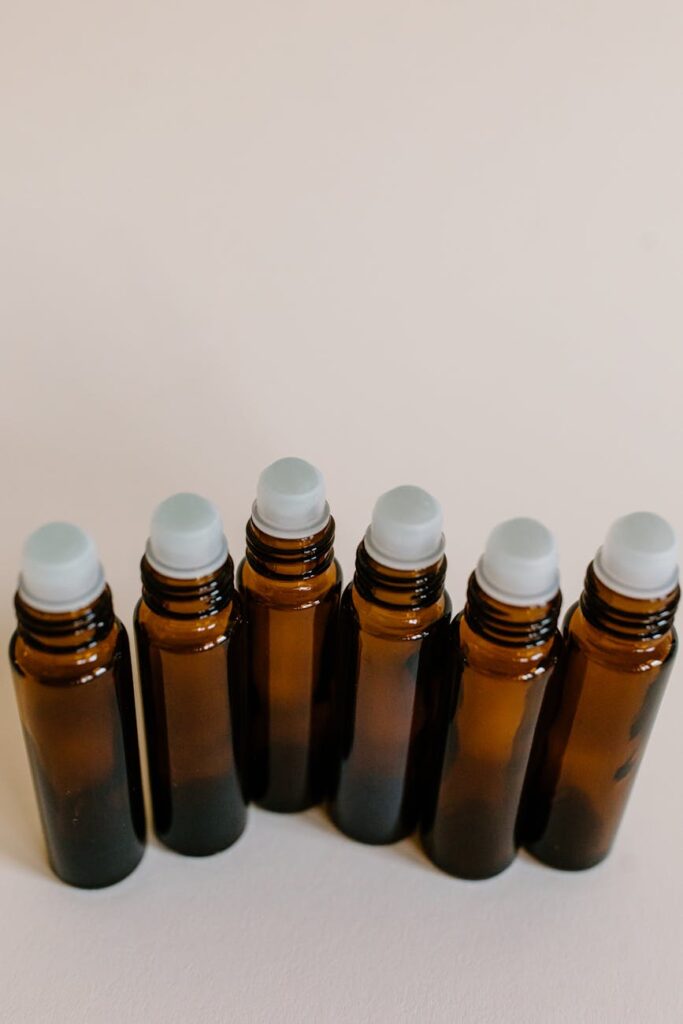
Complete Guide to Massage Blends Part 14
Introduction
In the realm of wellness and holistic health, massage blends hold a significant place, particularly in the practice of aromatherapy. By combining essential oils with carrier oils, these blends can enhance the therapeutic effects of massage, promoting relaxation, relief from tension, and overall emotional well-being. This guide delves into the intricacies of massage blends, including their benefits, applications, and safety considerations.
What Is Massage Blends?
Massage blends are specific combinations of essential oils and carrier oils formulated for use during massage therapy. Essential oils, extracted from various plants, possess unique aromatic and therapeutic properties. Carrier oils, usually derived from seeds, nuts, or fruits, serve to dilute the potent essential oils, making them safer for topical application. The integration of these oils creates a synergistic effect, enhancing both the massage experience and the benefits derived from the essential oils.
Key Components:
- Essential Oils: Concentrated plant extracts known for their distinctive aromas and therapeutic properties.
- Carrier Oils: Neutral oils that dilute essential oils to make them safe for skin application.
Key Benefits and Properties
Massage blends offer a range of benefits, which can vary based on the essential oils selected. Here are some key properties and benefits commonly associated with massage blends:
Relaxation and Stress Relief
Many essential oils, such as lavender and chamomile, are renowned for their calming effects. When used in massage blends, these oils can help alleviate stress and promote relaxation.
Pain Relief
Certain oils, like peppermint and eucalyptus, have analgesic properties that can provide relief from muscle and joint pain. These oils can be particularly beneficial in massage blends targeting sore areas.
Improved Circulation
Some essential oils, including rosemary and ginger, are known to stimulate blood flow. Incorporating these oils into massage blends can enhance circulation, aiding in recovery and overall wellness.
Mood Enhancement
Aromatherapy is closely linked to emotional well-being. Oils such as bergamot and ylang-ylang can uplift the spirit and reduce feelings of anxiety, making them ideal for use in massage blends aimed at emotional support.
Common Uses
Massage blends can be employed in various contexts and for a multitude of purposes:
Spa Treatments
Many spas offer specialized massage treatments that utilize unique blends of essential oils tailored to specific experiences, such as relaxation, detoxification, or invigorating massages.
Home Use
Individuals can create their own massage blends for personal use, allowing for a customized experience to address specific needs or preferences.
Professional Massage Therapy
Licensed massage therapists often incorporate essential oils into their practice, using tailored blends to enhance the therapeutic effects of their techniques.
Aromatherapy Applications
The application of massage blends in aromatherapy is diverse and can be adapted to various settings:
Diffusion
While massage blends are primarily designed for topical application, some essential oils can be diffused in the air to create an aromatic environment that supports relaxation and emotional balance.
Bathing
Adding a few drops of a massage blend to bathwater can provide a soothing experience, as the warm water enhances the absorption of the oils through the skin while the aroma fills the space.
Inhalation
Inhaling the aroma of essential oils directly from the bottle or from a cloth can provide immediate effects, making it a quick way to experience the benefits of aromatherapy.
Safety Considerations
While massage blends can offer numerous benefits, it is essential to keep safety in mind:
Dilution
Always dilute essential oils with a carrier oil before applying them to the skin. A common dilution ratio is 2-3 drops of essential oil per teaspoon of carrier oil.
Skin Sensitivity
Conduct a patch test by applying a small amount of the diluted blend to a discreet area of skin to check for any adverse reactions. If irritation occurs, discontinue use immediately.
Contraindications
Certain essential oils may not be suitable for everyone, particularly pregnant individuals, those with specific health conditions, or those taking certain medications. It is crucial to research each oil and consult with a qualified professional if needed.
Quality of Oils
Use high-quality, pure essential oils and carrier oils to ensure safety and effectiveness. Look for reputable suppliers and check for certifications when possible.
Storage and Shelf Life
Proper storage of massage blends is vital to maintain their efficacy and safety:
Storage Conditions
Store massage blends in a cool, dark place, away from direct sunlight and heat, which can degrade the oils over time.
Container
Use dark glass containers, as they protect the oils from light and help preserve their properties. Plastic containers may react with essential oils, compromising their integrity.
Shelf Life
The shelf life of massage blends can vary based on the essential oils and carrier oils used. Generally, essential oils can last from 1 to 3 years, while carrier oils may have a shorter shelf life, ranging from 6 months to 2 years. Regularly check blends for any signs of rancidity or changes in aroma.
Frequently Asked Questions
1. Can I use any essential oil for massage blends?
Not all essential oils are suitable for massage. Some can be irritating or sensitizing to the skin. Always research individual oils and consult resources or professionals if in doubt.
2. How do I create my own massage blend?
To create a massage blend, start with a carrier oil, then add a few drops of your chosen essential oils. Mix thoroughly and perform a patch test before extensive use.
3. How often can I use massage blends?
The frequency of use can depend on individual needs and the specific oils used. Generally, using blends 2-3 times a week is considered safe, but listen to your body and adjust accordingly.
4. Can I use massage blends during pregnancy?
Some essential oils are contraindicated during pregnancy. It is best to consult with a qualified healthcare professional before using any essential oils if you are pregnant or nursing.
5. What are some popular carrier oils for massage blends?
Common carrier oils include sweet almond oil, jojoba oil, fractionated coconut oil, and grapeseed oil. Choose one based on your skin type and personal preference.
Conclusion
Massage blends represent an intersection of the therapeutic properties of essential oils and the physical benefits of massage therapy. By understanding their benefits, applications, and safety considerations, individuals can create effective and enjoyable experiences that enhance well-being. Whether used in a professional setting or at home, massage blends continue to be a valuable tool in the holistic health toolkit.