
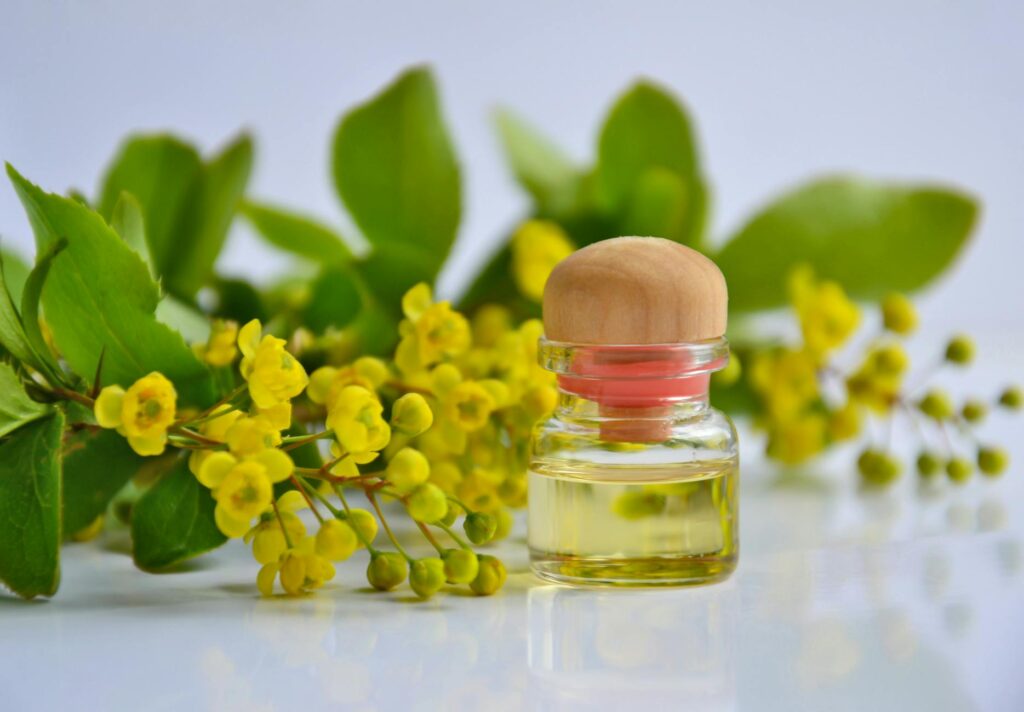
Complete Guide to Medicinal Flowers
Introduction
Medicinal flowers have long been a cornerstone of traditional healing practices across various cultures. These vibrant blooms are not only visually appealing but also possess therapeutic properties that have been harnessed for centuries. In this comprehensive guide, we will explore the world of medicinal flowers, their benefits, common uses, and applications in aromatherapy.
What Is Medicinal Flowers?
Medicinal flowers are the blossoms of plants that contain active compounds known for their healing properties. These flowers are often used in herbal medicine, tinctures, teas, and essential oils. While many plants have medicinal qualities, specific flowers are particularly renowned for their therapeutic benefits. Some well-known examples include chamomile, lavender, and calendula.
Key Benefits and Properties
Medicinal flowers are celebrated for their diverse range of benefits, which can vary based on the specific flower and its constituents. Here are some common properties and benefits associated with these flowers:
1. Anti-inflammatory: Many medicinal flowers, such as calendula and chamomile, are known for their anti-inflammatory properties, helping to reduce swelling and irritation.
2. Calming and Relaxing: Flowers like lavender and passionflower are often used for their calming effects, helping to alleviate anxiety and promote relaxation.
3. Antimicrobial: Certain flowers possess antimicrobial properties that can help combat infections. For example, echinacea is often used for its immune-boosting effects.
4. Skin Health: Flowers such as calendula and rose have benefits for skin health, including wound healing and moisturizing properties.
5. Digestive Aid: Some flowers, like chamomile and hibiscus, are known to support digestive health and can be used to alleviate issues such as bloating and indigestion.
Common Uses
Medicinal flowers can be used in various forms, making them versatile for different applications. Common uses include:
- Teas: Dried flowers can be steeped in hot water to create herbal teas. Chamomile tea is a popular choice for its calming effects.
- Tinctures: Alcohol or vinegar extracts of flowers can be made into tinctures that concentrate their medicinal properties.
- Essential Oils: Many medicinal flowers are distilled into essential oils, which can be used in aromatherapy and topical applications.
- Topical Applications: Infused oils or salves made from medicinal flowers can be applied directly to the skin for localized treatment.
- Baths: Adding dried flowers to bathwater can enhance relaxation and offer skin benefits.
Aromatherapy Applications
Aromatherapy utilizes the fragrant properties of essential oils derived from medicinal flowers to promote physical and emotional well-being. Here are some popular medicinal flowers commonly used in aromatherapy:
1. Lavender (Lavandula angustifolia): Known for its calming scent, lavender essential oil is often used to reduce anxiety, improve sleep quality, and promote relaxation.
2. Chamomile (Matricaria chamomilla): Chamomile oil is valued for its soothing and calming properties, making it a popular choice for stress relief and sleep support.
3. Ylang-Ylang (Cananga odorata): This fragrant flower is known for its uplifting scent and is often used to alleviate stress, promote emotional balance, and enhance mood.
4. Rose (Rosa damascena): Rose essential oil is cherished for its romantic scent and is often used in skincare for its moisturizing and anti-aging properties. It can also help to elevate mood and promote emotional healing.
5. Hibiscus (Hibiscus sabdariffa): Known for its vibrant color, hibiscus essential oil is used for its uplifting and refreshing scent, which can stimulate creativity and joy.
In aromatherapy, these essential oils can be diffused, blended into massage oils, or used in bath products to create a calming and therapeutic environment.
Safety Considerations
While medicinal flowers offer various benefits, it is crucial to approach their use with caution. Here are some safety considerations to keep in mind:
1. Allergies: Some individuals may have allergies to specific flowers. It is essential to conduct a patch test or consult with a professional before using a new flower or its extracts.
2. Pregnancy and Nursing: Certain medicinal flowers may not be safe for pregnant or nursing individuals. Always consult a healthcare professional before use.
3. Drug Interactions: Some flowers can interact with medications. For example, chamomile may enhance the effects of blood thinners. It is advisable to consult a healthcare provider before combining medicinal flowers with prescribed medications.
4. Dosage: As with any natural remedy, appropriate dosage is critical. Overuse of essential oils or concentrated extracts can lead to adverse effects.
5. Quality: Ensure that any products derived from medicinal flowers are sourced from reputable suppliers to avoid contaminants or adulteration.
Storage and Shelf Life
Proper storage is essential for maintaining the efficacy and potency of medicinal flowers and their extracts. Here are some guidelines for storage:
1. Dried Flowers: Store dried flowers in a cool, dark place in airtight containers to prevent moisture and light exposure, which can degrade their quality. Properly stored, dried flowers can last for up to one year.
2. Essential Oils: Essential oils should be kept in dark glass bottles and stored away from sunlight and heat to preserve their aromatic and therapeutic properties. When stored correctly, essential oils can have a shelf life of one to three years.
3. Tinctures: Store tinctures in dark glass bottles, preferably in a cool area. They can last for several years when properly stored.
4. Infused Oils: Infused oils should be kept in cool, dark places and used within six months to a year to ensure freshness.
Frequently Asked Questions
1. Can I use medicinal flowers if I have allergies?
It is essential to exercise caution. Always conduct a patch test or consult with a healthcare professional before using a new flower or its extracts, especially if you have known allergies.
2. Are essential oils safe for children?
While some essential oils may be safe for children, many require dilution or are unsuitable for young ones. It is advisable to consult a healthcare professional before using essential oils on children.
3. How can I incorporate medicinal flowers into my daily routine?
You can drink herbal teas, use essential oils in a diffuser, or apply infused oils or salves to the skin. Always ensure that you are using flowers that are safe and suitable for your needs.
4. Can I grow my own medicinal flowers?
Yes, many medicinal flowers can be grown in home gardens. Some popular options include chamomile, lavender, and calendula. Be sure to research their growing conditions and maintenance requirements.
5. Are there any contraindications for using medicinal flowers?
Yes, certain flowers may have contraindications based on individual health conditions or medications. Always consult with a healthcare provider if you have any concerns or pre-existing health issues.
Conclusion
Medicinal flowers offer a wealth of benefits and applications, making them valuable additions to holistic health practices. From calming chamomile to uplifting lavender, these natural remedies can enhance well-being when used appropriately and responsibly. As with any natural remedy, understanding their properties, uses, and safety considerations is essential for maximizing their therapeutic potential.