
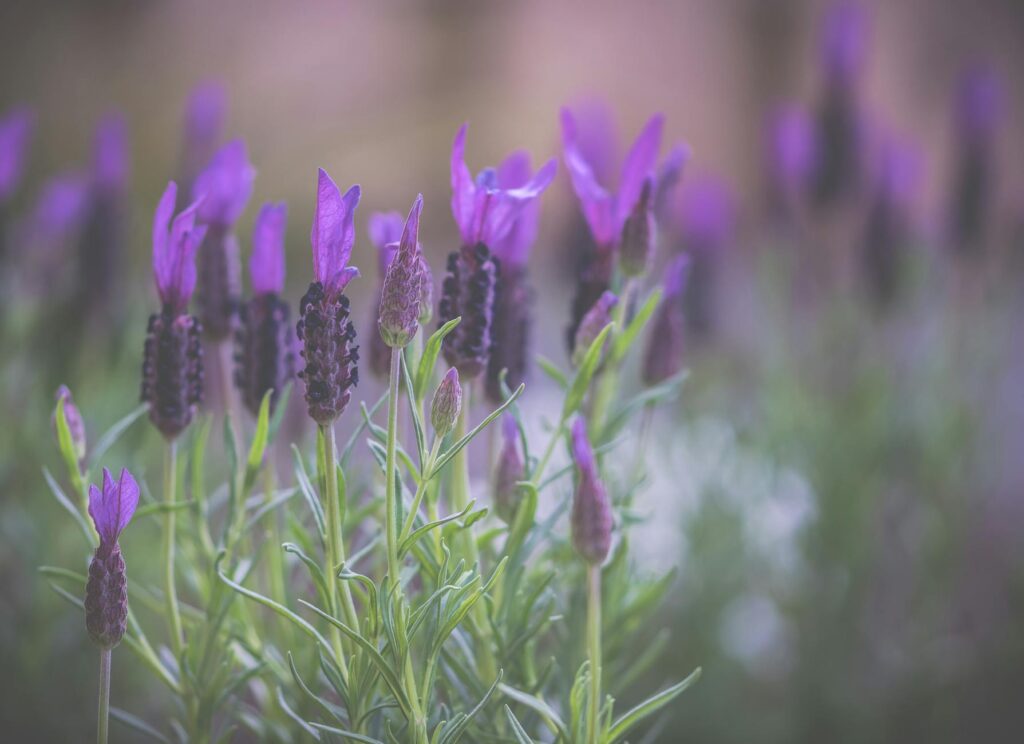
Complete Guide to Medicinal Perennials
Introduction
Medicinal perennials are a fascinating category of plants that have been utilized for centuries due to their healing properties and therapeutic benefits. These plants, which live for more than two years, not only contribute to biodiversity but also play an integral role in traditional and modern medicine. This guide delves into the characteristics, benefits, and applications of medicinal perennials, offering insights into their significance in both herbalism and aromatherapy.
What Is Medicinal Perennials?
Medicinal perennials are plants that persist for multiple growing seasons, often characterized by their ability to produce flowers and seeds over several years. Unlike annuals that complete their life cycle in a single year, or biennials that take two years, perennials can thrive in a variety of climates and conditions.
Many of these plants have been cultivated and harvested for their medicinal properties, making them valuable resources in herbal medicine and aromatherapy. Popular examples include echinacea, lavender, and chamomile. Each of these plants is known for its unique benefits and uses, making them essential components of both traditional and contemporary healing practices.
Key Benefits and Properties
Medicinal perennials offer a plethora of benefits, making them important for holistic health practices.
Antioxidant Properties
Many perennial herbs are rich in antioxidants, which help combat oxidative stress in the body. This property is vital for maintaining overall health and preventing chronic diseases.
Anti-inflammatory Effects
Several medicinal perennials possess anti-inflammatory properties, which can aid in alleviating conditions such as arthritis and other inflammatory disorders.
Immune Support
Plants like echinacea are well-known for their ability to bolster the immune system, making them popular choices during cold and flu seasons.
Stress Relief
Aromatic perennials, such as lavender, are often used for their calming effects, helping to reduce anxiety and promote relaxation.
Digestive Aid
Certain perennials, like peppermint, have been traditionally used to support digestive health and alleviate discomfort.
Common Uses
Medicinal perennials are utilized in various forms, each catering to specific needs:
Herbal Teas
Many perennials can be brewed into teas, allowing for the extraction of beneficial compounds. Chamomile tea, for example, is commonly consumed for its calming effects.
Tinctures and Extracts
Alcohol-based tinctures can concentrate the active ingredients in medicinal perennials, making them easier to consume and more potent.
Essential Oils
Aromatherapy often employs essential oils derived from medicinal perennials. These oils can be used in diffusers, topical applications, and even for inhalation.
Topical Applications
Some perennials are infused into balms or salves for external use, helping to soothe skin irritations or muscle pain.
Aromatherapy Applications
Aromatherapy harnesses the power of essential oils extracted from medicinal perennials to enhance physical and emotional well-being. Here are some commonly used perennials and their applications:
Lavender (Lavandula spp.)
Lavender essential oil is renowned for its calming and relaxing properties. It is often used to alleviate stress, improve sleep quality, and relieve headaches.
Peppermint (Mentha piperita)
Peppermint oil is invigorating and can be used to enhance mental clarity. It is frequently employed to relieve headaches and digestive discomfort.
Eucalyptus (Eucalyptus globulus)
Eucalyptus oil has antiseptic properties and is commonly used to promote respiratory health. It is particularly popular during cold and flu season.
Chamomile (Matricaria chamomilla)
Chamomile essential oil is valued for its soothing effects, making it a popular choice for relaxation and stress relief.
Safety Considerations
While medicinal perennials offer numerous benefits, it’s essential to use them responsibly. Here are some safety considerations to keep in mind:
Consultation
Always consult with a qualified healthcare professional before incorporating any new herbal remedies or essential oils into your routine, especially if you are pregnant, nursing, or taking medications.
Allergies
Some individuals may be allergic to specific plants. Conduct a patch test before using essential oils topically to ensure no adverse reactions occur.
Dosage
Follow recommended dosages for herbal preparations, as excessive consumption can lead to adverse effects.
Quality
Ensure that the essential oils and herbal products you use are of high quality and sourced from reputable suppliers. Contaminated or adulterated products can pose health risks.
Storage and Shelf Life
Proper storage of medicinal perennials, whether in dried or essential oil form, is crucial to maintain their efficacy.
Dried Herbs
Store dried herbs in airtight containers, away from light and moisture, to preserve their potency. Generally, dried herbs can last for one to three years, depending on the type.
Essential Oils
Essential oils should be stored in dark glass containers to protect them from light degradation. Most essential oils have a shelf life of one to three years, but some may last longer with proper care.
Tinctures
Tinctures should be kept in dark glass bottles and stored in a cool, dark place. They typically have a shelf life of several years.
Frequently Asked Questions
1. Can I grow medicinal perennials in my garden?
Yes, many medicinal perennials can be grown in home gardens, provided that they are suited to your local climate and soil conditions. Herbs like lavender, chamomile, and peppermint are popular choices.
2. Are there any side effects associated with medicinal perennials?
While many people use medicinal perennials without issues, some may experience side effects or allergic reactions. Always consult with a healthcare provider if you have concerns.
3. How can I incorporate medicinal perennials into my daily routine?
You can incorporate medicinal perennials by brewing herbal teas, using essential oils in a diffuser, or applying infused oils to the skin. Start with small amounts to gauge your body’s response.
4. Are all essential oils safe for children and pets?
Not all essential oils are safe for children and pets. It is crucial to research specific oils and consult with a healthcare professional before use.
5. How do I know if I’m purchasing high-quality essential oils?
Look for essential oils that are labeled as 100% pure, organic, and free from synthetic additives. Reputable brands should provide information about the source and distillation process.
Conclusion
Medicinal perennials represent a rich tapestry of plants that have been cherished for their healing properties throughout history. With a variety of applications in herbalism and aromatherapy, these plants offer valuable support for health and well-being. However, responsible use, proper storage, and respect for safety considerations are essential for maximizing their benefits. As interest in natural remedies continues to grow, understanding the role of medicinal perennials will empower individuals to incorporate these valuable plants into their lives effectively.