
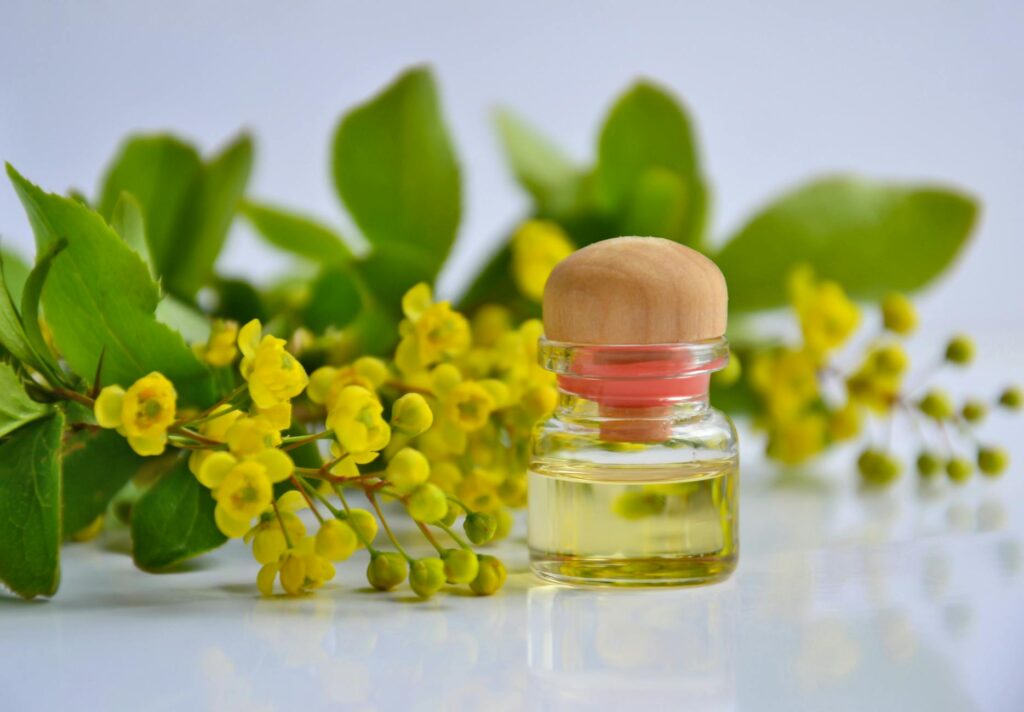
Complete Guide to Medicinal Shrubs
Introduction
Medicinal shrubs have long played a crucial role in traditional and modern herbal practices. These plants offer a diverse array of therapeutic properties and benefits, making them valuable resources in both holistic and integrative health approaches. In this comprehensive guide, we explore the fascinating world of medicinal shrubs, their characteristics, uses, and applications, particularly in the context of aromatherapy.
What Is Medicinal Shrubs?
Medicinal shrubs are woody plants that typically reach a height of about 3 to 10 feet. These plants have the potential to produce essential oils, phytochemicals, and other bioactive compounds that can provide health benefits. Unlike larger trees, shrubs often possess a bushy structure with multiple stems, making them accessible for foraging and cultivation.
Some well-known examples of medicinal shrubs include:
- Lavender (Lavandula spp.): Renowned for its soothing aroma and calming properties.
- Sage (Salvia officinalis): Often used for its anti-inflammatory and antimicrobial properties.
- Rosemary (Rosmarinus officinalis): Valued for its cognitive-enhancing effects and antioxidant properties.
- Thyme (Thymus vulgaris): Known for its antiseptic qualities and ability to support respiratory health.
- Antioxidant Properties: Many medicinal shrubs contain antioxidants that help combat oxidative stress in the body, contributing to overall health.
- Anti-inflammatory Effects: Certain shrubs can reduce inflammation, which is linked to various chronic diseases.
- Antimicrobial Action: The essential oils extracted from these plants often exhibit antimicrobial properties, making them useful in combating infections.
- Calming and Sedative Effects: Many shrubs, such as lavender, are known for their ability to promote relaxation and reduce anxiety.
- Digestive Support: Some shrubs can aid in digestion and alleviate gastrointestinal discomfort.
- Herbal Teas: Leaves from shrubs like chamomile (Matricaria chamomilla) can be brewed to create calming teas.
- Essential Oils: Extracted from leaves, flowers, or bark, essential oils from shrubs are widely used in aromatherapy and personal care products.
- Topical Applications: Infused oils or salves made from shrubs can be applied to the skin for localized benefits.
- Culinary Uses: Many medicinal shrubs, such as rosemary and thyme, are used to enhance flavor in cooking while providing health benefits.
- Home Remedies: Infusions, tinctures, or poultices made from shrubs are often utilized in traditional medicine for various ailments.
- Diffusion: Essential oils can be diffused in the air to create a calming atmosphere. For example, lavender oil is frequently used to reduce stress and promote sleep.
- Inhalation: Direct inhalation of essential oils can provide immediate relief for respiratory discomfort. Eucalyptus oil, derived from a shrub, is often used for this purpose.
- Massage: Diluted essential oils from shrubs can be used in massage therapy to enhance relaxation and relieve muscle tension.
- Bathing: Adding essential oils to bathwater can create a soothing experience, promoting relaxation and skin health.
- Allergies: Some individuals may be allergic to certain plants. It is advisable to perform a patch test before applying any essential oil topically.
- Pregnancy and Lactation: Certain essential oils may not be suitable for pregnant or breastfeeding individuals. Consulting a healthcare professional is recommended.
- Interactions: Medicinal shrubs can interact with prescription medications. Always consult with a healthcare provider if you are taking medication or have underlying health conditions.
- Proper Dilution: Essential oils should be diluted before topical application to avoid skin irritation. A carrier oil, such as jojoba or coconut oil, is often recommended.
- Quality of Products: Always source essential oils and herbal products from reputable suppliers to ensure purity and safety.
- Essential Oils: Store essential oils in dark glass bottles, away from direct sunlight and heat, to prolong their shelf life. Most essential oils have a shelf life of 1 to 3 years but can vary based on the oil type.
- Dried Herbs: When storing dried leaves or flowers, keep them in airtight containers, away from light and moisture. Properly stored dried herbs can last for up to 1-2 years.
- Infused Oils and Tinctures: These should also be stored in dark containers and kept cool to maintain their potency. Check for signs of spoilage, such as an off-smell or changes in color.
These shrubs thrive in a variety of environments and can be found in gardens, forests, and wild landscapes around the world.
Key Benefits and Properties
Medicinal shrubs possess a range of beneficial properties due to their rich composition of essential oils, flavonoids, tannins, and other phytochemicals. Some of the key benefits include:
These benefits highlight the potential of medicinal shrubs as valuable additions to holistic health practices.
Common Uses
The uses of medicinal shrubs are diverse and can vary by cultural tradition and individual preference. Some common applications include:
The versatility of these plants makes them accessible for both therapeutic and culinary purposes.
Aromatherapy Applications
Aromatherapy leverages the therapeutic properties of essential oils derived from medicinal shrubs to promote emotional and physical well-being. Some popular applications include:
Each shrub may have specific essential oil properties that cater to different needs, making aromatherapy a personalized experience.
Safety Considerations
While medicinal shrubs offer numerous benefits, it is essential to approach their use with caution. Here are several safety considerations:
Being informed about these considerations can help mitigate risks associated with the use of medicinal shrubs.
Storage and Shelf Life
Proper storage of medicinal shrubs and their derivatives is essential to maintain their efficacy and safety. Consider the following tips:
By following these guidelines, you can ensure that your medicinal shrubs and their products remain effective for as long as possible.
Frequently Asked Questions
1. Can I grow medicinal shrubs at home?
Yes, many medicinal shrubs can be grown in home gardens. Consider factors such as climate, soil type, and sunlight when selecting plants.
2. How do I extract essential oils from shrubs?
Essential oils can be extracted through various methods, including steam distillation, cold pressing, and solvent extraction. However, these processes can be complex and are often best left to professionals.
3. Are all shrubs safe for consumption?
No, not all shrubs are safe to consume. It is crucial to identify the specific shrub and research its uses and potential toxicity before consumption.
4. Can I use essential oils in cooking?
Some essential oils derived from medicinal shrubs, such as rosemary and thyme, can be used in cooking, but it is essential to use food-grade oils and in moderation.
5. How do I know which medicinal shrub is right for me?
The choice of medicinal shrub often depends on individual needs and preferences. Consulting with a qualified herbalist or healthcare provider can help guide your decision.
Conclusion
Medicinal shrubs are invaluable resources that offer a multitude of health benefits, culinary applications, and aromatic properties. By understanding their characteristics, uses, and safety considerations, individuals can better appreciate the role these plants play in holistic health and wellness. As interest in natural remedies continues to grow, medicinal shrubs remain a vital part of both traditional and modern healing practices.