
Complete Guide to Medicinal Trees
Introduction
Medicinal trees have been revered for centuries across various cultures for their health benefits and therapeutic properties. These trees not only contribute to biodiversity and ecological health but also serve as a vital resource for traditional and modern medicine. This guide aims to explore the world of medicinal trees, highlighting their benefits, uses, and safety considerations while providing a comprehensive overview for both enthusiasts and practitioners.
What Is Medicinal Trees?
Medicinal trees are species that possess therapeutic properties, often found in their leaves, bark, flowers, fruits, or roots. These trees have been utilized for their health benefits, ranging from providing essential oils to serving as sources of active compounds that can alleviate various ailments. The study and application of these trees fall under the broader category of ethnobotany, which examines the relationships between people and plants, particularly in the context of traditional medicine.
Notable Medicinal Trees
1. Willow (Salix spp.): Known for its pain-relieving properties due to salicin, a compound similar to aspirin.
2. Neem (Azadirachta indica): Often referred to as the “village pharmacy,” it has antibacterial and antifungal properties.
3. Eucalyptus (Eucalyptus spp.): Renowned for its respiratory benefits, it contains eucalyptol, which has antiseptic properties.
4. Tea Tree (Melaleuca alternifolia): Famous for its antimicrobial properties, commonly used in skin care.
5. Ginkgo (Ginkgo biloba): Known for its potential cognitive benefits and antioxidant properties.
Key Benefits and Properties
Medicinal trees are celebrated for their diverse health benefits, which can include:
- Anti-inflammatory: Many medicinal trees contain compounds that help reduce inflammation in the body.
- Antimicrobial: Various species possess antibacterial, antifungal, or antiviral properties that can combat infections.
- Antioxidant: Rich in phytochemicals, these trees help neutralize free radicals, reducing oxidative stress.
- Digestive Aid: Certain trees can support gastrointestinal health and alleviate digestive issues.
- Respiratory Support: Many have been used to relieve symptoms of respiratory conditions.
- Traditional Medicine: Many cultures utilize parts of these trees in traditional healing practices, such as teas, poultices, and tinctures.
- Cosmetics and Skin Care: Extracts from medicinal trees are commonly found in beauty products thanks to their rejuvenating and healing properties.
- Essential Oils: The extraction of essential oils from medicinal trees has become a popular practice in aromatherapy and holistic health.
- Nutritional Supplements: Some trees provide nutrient-rich products, such as moringa leaves, which are often consumed in powdered form.
- Stress Relief: Oils from trees like cedarwood and sandalwood are often used to create calming environments, helping to reduce anxiety.
- Respiratory Health: Eucalyptus oil is frequently used in steam inhalations to ease breathing difficulties and congestion.
- Skin Care: Tea tree oil is renowned for its ability to treat acne and other skin conditions when diluted properly.
- Mood Enhancement: Essential oils from trees like bergamot can uplift moods and alleviate symptoms of depression.
- Dilution: Essential oils should always be diluted before topical application to prevent skin irritation.
- Allergies: Individuals should conduct a patch test before using any new oil or extract, especially if they have known allergies.
- Pregnancy and Nursing: Certain essential oils may not be safe during pregnancy or nursing; consultation with a healthcare professional is advised.
- Interactions: Some medicinal tree extracts may interact with medications. Always consult a healthcare provider before starting any new regimen.
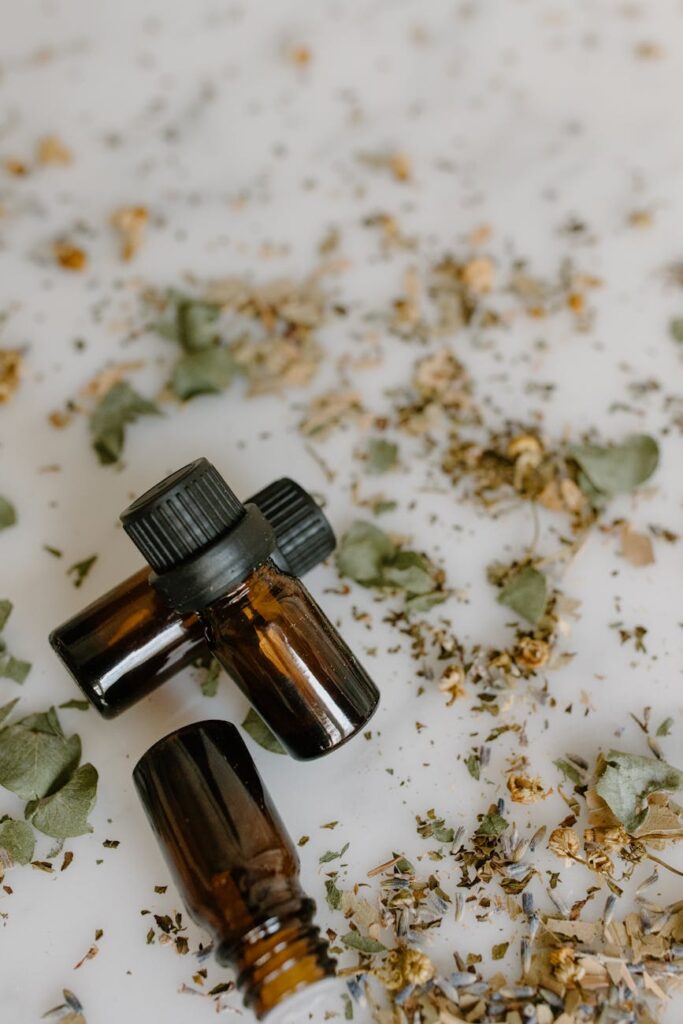
- Essential Oils: Store essential oils in a cool, dark place, preferably in amber or cobalt glass bottles to protect them from light.
- Dried Herbs and Bark: Keep these in airtight containers away from moisture and direct sunlight to prolong their shelf life.
- Tinctures and Extracts: These should be stored in dark bottles and kept in a cool environment. Most tinctures can last for several years if stored properly.
- Essential Oils: Generally, they last between 1 to 3 years, depending on the type and storage conditions.
- Dried Herbs: Typically retain potency for about 1 to 3 years.
- Tinctures: Can remain effective for several years if stored correctly.
Common Uses
The uses of medicinal trees are extensive and varied, encompassing:
Aromatherapy Applications
Aromatherapy is a holistic practice that uses plant extracts, including essential oils from medicinal trees, to promote physical and emotional well-being. Here are a few applications:
Safety Considerations
While the benefits of medicinal trees are numerous, it is essential to approach their use with caution:
Storage and Shelf Life
Proper storage of medicinal tree products is crucial to maintaining their efficacy:
Shelf Life Insights
Frequently Asked Questions
1. Can I use medicinal trees for self-treatment?
While many people utilize medicinal trees for various ailments, self-treatment can pose risks. Always consult a healthcare professional for personalized advice.
2. Are all parts of a medicinal tree beneficial?
Not necessarily. Different parts of a tree (leaves, bark, roots, etc.) may possess varying concentrations of beneficial compounds. It’s essential to research or seek expert advice on which parts to use.
3. How do I know if a tree is medicinal?
Identification of medicinal trees often requires knowledge of botany and ethnobotany. Consulting a reliable guide or expert is recommended for accurate identification and understanding of medicinal properties.
4. Can I grow medicinal trees at home?
Yes, many medicinal trees can be grown in home gardens, depending on your climate and space. Always research the specific growing conditions and care requirements for the species you choose.
5. Are there any risks associated with using essential oils from medicinal trees?
Yes, there can be risks, including allergic reactions, skin irritation, or interactions with medications. Always conduct a patch test and consult a healthcare provider if uncertain.
Conclusion
Medicinal trees represent a treasure trove of natural benefits, offering a wide array of health-promoting properties. Their use in traditional and modern practices underscores their importance in our lives. By understanding their benefits, applications, and safety considerations, individuals can harness the power of medicinal trees responsibly and effectively. Whether for personal wellness, aromatherapy, or enhancing beauty products, medicinal trees continue to be an invaluable resource in our quest for health and well-being.