
Complete Guide to Meditation Blends Part 15
Introduction
Meditation blends are specialized combinations of essential oils designed to enhance the meditation experience. These blends can create a calming environment, promote focus and clarity, and deepen one’s connection to the practice. As the interest in aromatherapy continues to grow, understanding meditation blends becomes increasingly important for practitioners and newcomers alike. In this article, we will explore what meditation blends are, their benefits, common uses, and how to safely incorporate them into your meditation practice.
What Is Meditation Blends?
Meditation blends are unique formulations of essential oils that are specifically chosen for their aromatic properties and their ability to enhance meditation practices. These blends often combine oils that promote relaxation, clarity, and emotional balance. The selection of essential oils can vary widely, but they typically include calming oils such as lavender, grounding oils like sandalwood, and uplifting oils such as citrus varieties.
The use of essential oils in meditation is rooted in ancient traditions, where scents were believed to have the power to influence the mind and spirit. Today, many people incorporate these oils into their meditation routines to create a more enriched experience.
Key Benefits and Properties
1. Enhancement of Mental Clarity: Certain essential oils, like rosemary and peppermint, are known to stimulate the mind and aid in concentration, making it easier for practitioners to focus during meditation.
2. Promotion of Relaxation: Oils such as lavender and chamomile have calming properties that can reduce anxiety and stress, allowing for a deeper meditative state.
3. Emotional Balance: Many essential oils can help balance emotions. For instance, bergamot can uplift the spirit, while frankincense is often used for grounding and introspection.
4. Spiritual Connection: Some oils are believed to enhance the spiritual aspects of meditation. Oils like sandalwood and myrrh have been used in spiritual practices for centuries.
5. Creating a Sacred Space: The aroma of essential oils can transform a physical space, making it feel more serene and conducive to meditation.
Common Uses
Meditation blends can be utilized in various ways, each serving to enhance the meditative experience:
1. Diffusion: Using an essential oil diffuser is one of the most popular methods. This disperses the aroma throughout the room, creating an inviting atmosphere.
2. Topical Application: Some practitioners apply diluted blends to pulse points, such as wrists or neck, to carry the scent throughout their meditation session.
3. Inhalation: Inhaling oils directly from the bottle or using a personal inhaler can provide immediate benefits, especially during moments of distraction.
4. Bathing: Adding meditation blends to a warm bath can help to relax both the body and mind, making it an ideal pre-meditation ritual.
5. Candle Making: Incorporating essential oils into homemade candles can create a soothing ambiance when lit during meditation.
Aromatherapy Applications
Aromatherapy is the practice of using essential oils for therapeutic benefits, and it plays a vital role in enhancing meditation blends. Here are some common applications:
1. Creating a Personal Blend: Experimenting with different combinations of essential oils can lead to a personalized meditation blend. Start with a base oil (like lavender) and gradually add complementary oils (such as cedarwood or ylang-ylang) until you find a blend that resonates with you.
2. Using Pre-Made Blends: Many companies offer pre-made meditation blends that are formulated by experts. These blends can be convenient for those who may not have the time or resources to create their own.
3. Scenting Meditation Cushions: Spraying a diluted blend on meditation cushions or mats can create a calming environment that enhances focus and tranquility.
4. Using in Guided Meditations: Many guided meditations now incorporate aromatherapy into their sessions. Practitioners are often encouraged to use specific scents that align with the meditation’s intention.
Safety Considerations
While essential oils can offer numerous benefits, it is essential to use them safely, especially during meditation. Here are some key safety considerations:
1. Dilution: Essential oils are potent and should be diluted with a carrier oil before topical application to avoid irritation. A common dilution ratio is 2-3 drops of essential oil per teaspoon of carrier oil.
2. Allergies and Sensitivities: Conduct a patch test for any new oil by applying a small amount to a discreet area of skin and monitoring for any adverse reactions.
3. Quality of Oils: Use high-quality, pure essential oils sourced from reputable suppliers to ensure they are free from additives and contaminants.
4. Pregnancy and Health Conditions: Certain essential oils are contraindicated for pregnant women or individuals with specific health conditions. Always research or consult a qualified professional before use.
5. Children and Pets: Some essential oils can be harmful to children and pets. It’s crucial to research which oils are safe for use around them.
Storage and Shelf Life
Proper storage of essential oils is vital to maintain their efficacy. Here are some guidelines:
1. Cool and Dark Place: Store essential oils in a cool, dark area, away from direct sunlight and heat sources. A cabinet or drawer is often ideal.
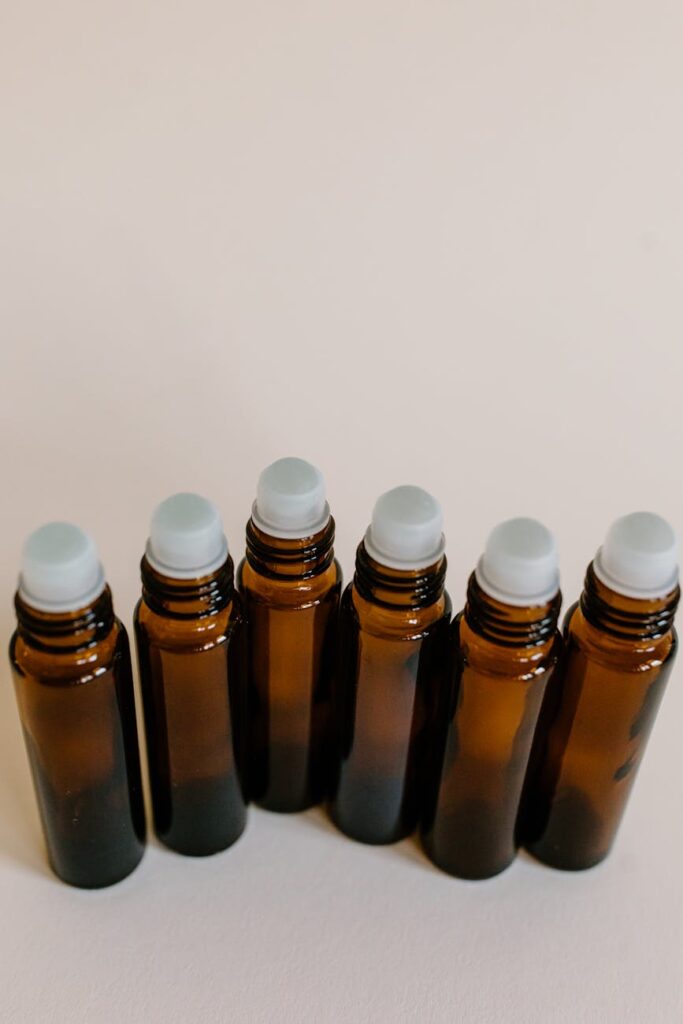
2. Use Amber or Cobalt Bottles: Dark-colored glass bottles help protect oils from UV light, which can degrade their quality.
3. Tight Sealing: Ensure that bottles are tightly sealed to minimize exposure to air, which can oxidize and diminish the oils’ potency.
4. Shelf Life: The shelf life of essential oils varies. Generally, citrus oils have a shorter shelf life (1-2 years), while oils like patchouli or sandalwood can last for several years if stored properly.
Frequently Asked Questions
Q: Can I use meditation blends during yoga?
A: Yes, meditation blends can be beneficial during yoga practice as they promote relaxation and focus. Just be mindful of any strong scents that might distract you.
Q: How do I choose the right blend for my meditation?
A: Consider your intention for the meditation and select oils that align with that goal. For relaxation, opt for calming scents like lavender; for focus, choose stimulating oils like rosemary.
Q: Is it safe to use essential oils in a hot bath?
A: Yes, but be sure to dilute them properly in a carrier oil before adding them to the bathwater to prevent skin irritation.
Q: Can I mix different blends together?
A: While mixing blends can be an enjoyable experiment, it is essential to ensure that the oils complement each other. Start with small amounts to test the aroma before combining larger quantities.
Q: How can I incorporate meditation blends into my daily routine?
A: You can use them during meditation sessions, while reading, practicing mindfulness, or even during daily activities like working or studying to create a calming atmosphere.
Conclusion
Meditation blends provide a unique opportunity to enhance one’s meditation practice through the power of scent. By understanding their properties, applications, and safety considerations, practitioners can create a more enriching experience that fosters relaxation, focus, and emotional balance. Whether through personal experimentation or the use of pre-made blends, the addition of essential oils to meditation practices can offer profound benefits to individuals seeking a deeper connection to their mind and spirit.