
Complete Guide to Meditation Blends Part 16
Introduction
Meditation blends are a harmonious combination of essential oils formulated to enhance mindfulness, tranquility, and spiritual growth. As the practice of meditation has gained popularity across the globe, the use of aromatherapy to complement this ancient tradition has also surged. This article explores the various aspects of meditation blends, including their benefits, applications, and safety considerations.
What Is Meditation Blends?
Meditation blends are carefully crafted mixtures of essential oils designed to support and enhance meditation practices. These blends typically include oils known for their calming and grounding properties, helping to create an immersive environment conducive to deep reflection and relaxation. Common essential oils used in these blends may include lavender, frankincense, sandalwood, and bergamot, among others. Each oil contributes unique properties that can aid in achieving a focused and tranquil state of mind.
Key Benefits and Properties
The use of meditation blends offers various benefits, both psychological and emotional. Here are some of the most notable properties:
1. Calming Effects: Many essential oils have inherent calming qualities. For instance, lavender is known for its ability to reduce anxiety and promote relaxation, making it a staple in meditation blends.
2. Focus and Clarity: Oils like peppermint and rosemary are often included in meditation blends for their ability to enhance mental clarity and focus. This can facilitate a deeper connection during meditation.
3. Grounding: Essential oils such as vetiver and cedarwood provide grounding effects, helping to center the mind and body, making them ideal for practitioners seeking stability during meditation.
4. Spiritual Connection: Oils like frankincense and myrrh are traditionally associated with spiritual practices and are believed to foster a deeper connection to one’s inner self or the universe.
5. Mood Enhancement: Citrus oils like bergamot and sweet orange can uplift the mood, creating a more positive atmosphere for meditation.
Common Uses
Meditation blends can be utilized in various ways to enhance the meditation experience:
- Diffusion: One of the most popular methods, diffusing essential oils allows the aroma to fill the room. This can set the mood even before meditation begins.
- Topical Application: Some practitioners prefer to apply meditation blends to pulse points, such as wrists or behind the ears. This method allows the oils to interact directly with the body’s energy points.
- Bathing: Adding a few drops of meditation blends to a warm bath can create a serene environment for relaxation and contemplation.
- Inhalation: Directly inhaling a meditation blend from a bottle or a personal inhaler can provide immediate calming effects, making it an effective technique for quick stress relief.
- Dilution: Essential oils should be diluted with a carrier oil before applying them to the skin to avoid irritation. A common dilution ratio is 1-3% essential oil to carrier oil.
- Allergies: Conduct a patch test before using a new blend, especially if you have sensitive skin or allergies.
- Pregnancy and Nursing: Certain essential oils may not be suitable for pregnant or nursing individuals. Consult with a knowledgeable aromatherapist or essential oil specialist for guidance.
- Children and Pets: Be cautious when using essential oils around children and pets, as some oils can be harmful. Always check for safety guidelines specific to these populations.
- Quality of Oils: Opt for high-quality, pure essential oils from reputable suppliers to ensure safety and efficacy.
- Dark Glass Containers: Essential oils should be stored in dark glass bottles to protect them from light, which can degrade their quality.
- Cool, Dry Place: Store oils in a cool, dry location, away from heat sources and direct sunlight.
- Shelf Life: While essential oils do not expire in the traditional sense, their potency may diminish over time. Generally, citrus oils have a shelf life of 1-2 years, while more resinous oils like frankincense may last up to 5-7 years.
Aromatherapy Applications
The versatility of meditation blends extends to various aromatherapy applications. Here are a few practical methods:
1. Diffusers
Ultrasonic or nebulizing diffusers are popular tools for dispersing essential oils into the air. To create a meditation environment, add water and a few drops of your chosen blend, allowing the calming scents to envelop your space.
2. Roller Bottles
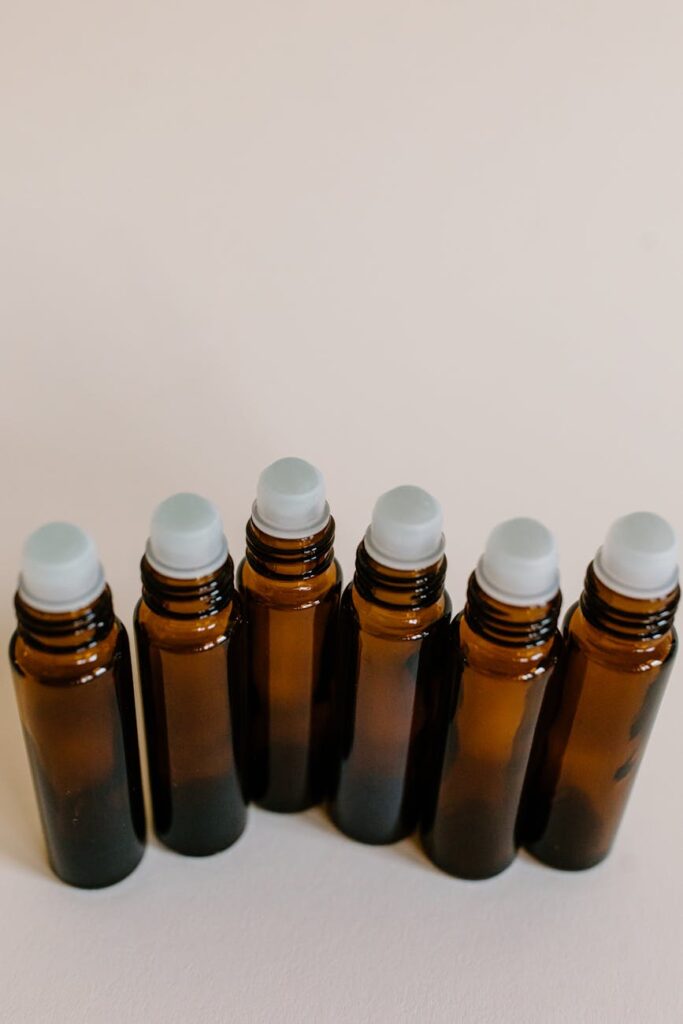
Creating a roller bottle is a convenient way to carry meditation blends. Combine essential oils with a carrier oil, such as jojoba or fractionated coconut oil, and apply it to your pulse points before meditation.
3. Inhalers
Personal inhalers are portable and allow for discreet use. Fill the inhaler with cotton soaked in your meditation blend, and take a few deep breaths whenever you need to center yourself.
4. Candles
Scented candles infused with meditation blends can enhance ambiance. Consider making your own by mixing essential oils into a natural wax base, allowing the aromas to release slowly during meditation.
5. Pillow Sprays
Creating a pillow spray with a meditation blend can help promote relaxation before sleep, setting the stage for a peaceful night’s rest and preparing the mind for meditation upon waking.
Safety Considerations
While essential oils are natural, they can still pose risks if misused. Here are essential safety considerations:
Storage and Shelf Life
Proper storage is crucial for maintaining the efficacy of essential oils. Consider the following guidelines:
Frequently Asked Questions
1. Can I create my own meditation blend?
Absolutely! Experimenting with different essential oils can lead to a personalized blend that resonates with you. Start with a base oil and add complementary oils gradually.
2. Are meditation blends suitable for everyone?
While many people find meditation blends beneficial, individual preferences and sensitivities vary. It’s essential to consider personal comfort and consult an expert if you have specific concerns.
3. How do I choose the right blend for my meditation practice?
Consider your goals for meditation—whether you’re seeking relaxation, focus, or spiritual connection—and select oils that align with those intentions. You may also want to explore pre-made blends for inspiration.
4. How often can I use meditation blends?
You can use meditation blends as often as you like, but be mindful of your body’s responses. If irritation occurs, discontinue use and consult with an expert.
5. Can meditation blends be used in yoga practices?
Yes, many practitioners find that using meditation blends during yoga enhances their experience. You can apply the oils topically, use them in a diffuser, or create a calming atmosphere in your practice space.
Conclusion
Meditation blends offer a rich and diverse avenue for enhancing mindfulness practices through the power of aromatherapy. By understanding the properties, applications, and safety considerations of these blends, practitioners can create a personalized and effective meditation experience. Whether through diffusion, topical application, or other methods, the careful use of essential oils can foster a deeper connection to oneself and the present moment.