
Complete Guide to Meditation Blends
Introduction
Meditation blends, a harmonious combination of essential oils and other aromatic substances, are increasingly recognized for their potential to enhance meditation practices. With roots in ancient traditions, these blends are designed to promote relaxation, focus, and emotional balance. This guide will explore the intricacies of meditation blends, their benefits, common applications, and key safety considerations.
What Are Meditation Blends?
Meditation blends are specific combinations of essential oils that are tailored to support meditative practices. These blends can vary widely, encompassing a range of scents that evoke tranquility and focus. They are typically formulated to create a conducive atmosphere for meditation, helping to calm the mind, center the spirit, and enhance the overall experience.
Common essential oils used in meditation blends include lavender, frankincense, sandalwood, and bergamot, each carrying unique aromatic properties. The synergy created by combining these oils is believed to amplify their individual effects, resulting in an enhanced meditative state.
Key Benefits and Properties
1. Promotes Relaxation
Many essential oils used in meditation blends have calming properties that can help reduce stress and anxiety. Oils such as lavender and chamomile are renowned for their ability to soothe the mind and body.
2. Enhances Focus
Certain oils, like rosemary and peppermint, are known for their invigorating properties. These oils can help sharpen the mind and increase clarity, making them ideal for meditation practices that require focus and concentration.
3. Fosters Emotional Balance
Meditation blends can also support emotional well-being. Oils such as bergamot and ylang-ylang are often used to uplift mood and promote feelings of happiness, assisting in emotional release during meditation.
4. Deepens Spiritual Connection
Some essential oils, like frankincense and myrrh, have been used in spiritual practices for centuries. Their grounding properties may enhance spiritual awareness and connection, making them popular choices for deeper meditative experiences.
Common Uses
Meditation blends can be utilized in various ways to enhance the meditative experience:
1. Diffusion
Using an essential oil diffuser is a popular method for dispersing the aroma of meditation blends throughout a space. This method allows the user to create a calming atmosphere, ideally suited for meditation.
2. Topical Application
Diluted meditation blends can be applied to pulse points, such as the wrists or neck. This method allows for personal interaction with the oils, promoting a sense of calm and focus throughout the meditation session.
3. Bath Soaks
Adding meditation blends to bath water can create a serene environment conducive to meditation. The warm water, combined with the aromas of the oils, can enhance relaxation and facilitate a deeper meditative state.
4. Inhalation
Inhaling meditation blends directly from the bottle or from a cotton ball can provide immediate effects. This method is particularly useful for quick stress relief and grounding before or during meditation.
Aromatherapy Applications
Incorporating meditation blends into aromatherapy practices can deepen their effects. Here are several applications:
1. Guided Meditation
When participating in guided meditation sessions, using a meditation blend can enhance the experience, helping participants to relax and focus on the guidance provided.
2. Yoga and Mindfulness
Meditation blends can be used during yoga practices to maintain focus and promote a meditative mindset. The calming scents can help to center the practice, fostering a deeper connection between body and mind.
3. Breathwork
During breathwork exercises, meditation blends can support the process of deep breathing. The inhalation of calming scents can help to enhance the experience and create a tranquil environment.
Safety Considerations
While meditation blends can be beneficial, it is essential to observe safety guidelines:
1. Dilution
Essential oils are highly concentrated and should always be diluted before topical application. A common recommendation is to use a carrier oil, such as jojoba or coconut oil, to dilute essential oils to a safe concentration.
2. Sensitivity Testing
Before using a new blend, it is advisable to conduct a patch test on a small area of skin to check for any adverse reactions. If irritation occurs, discontinue use immediately.
3. Pregnancy and Medical Conditions
Pregnant individuals or those with specific medical conditions should consult with a healthcare professional before using essential oils. Some oils may not be suitable during pregnancy or may interact with certain medications.
4. Quality of Oils
Always opt for high-quality essential oils from reputable sources. The purity of the oils can significantly affect their efficacy and safety.
Storage and Shelf Life
Proper storage of meditation blends is crucial for maintaining their potency:
1. Storage Conditions
Essential oils should be stored in a cool, dark place away from direct sunlight. This will help preserve their aromatic properties and extend shelf life.
2. Container Type
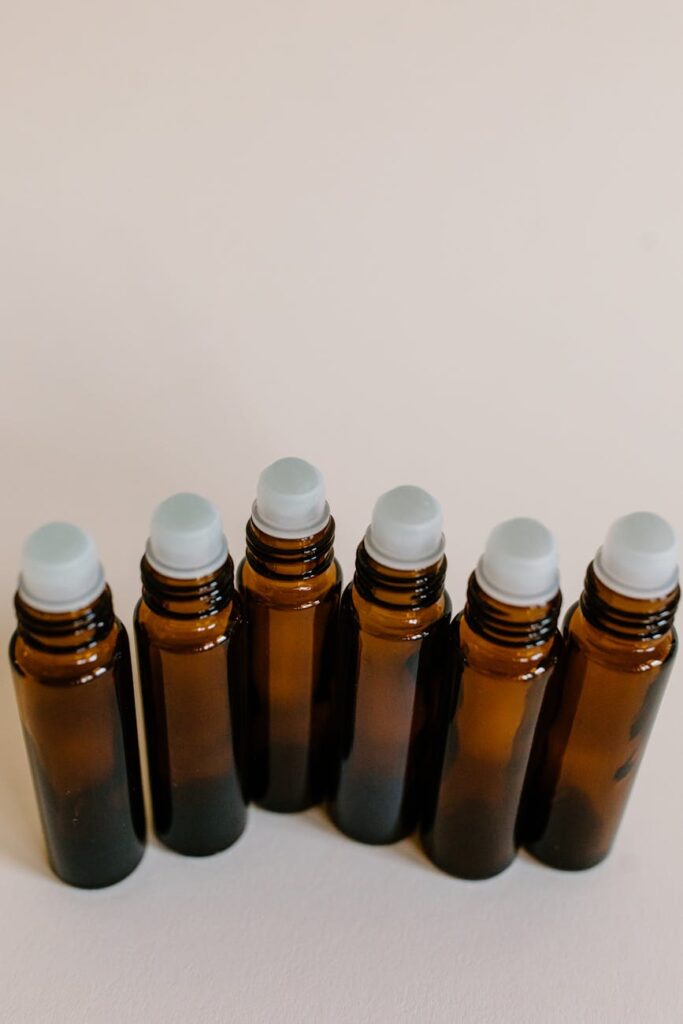
Using dark glass bottles is recommended for storing essential oils, as they protect the contents from light degradation. Avoid plastic containers, which may leach chemicals into the oils.
3. Shelf Life
The shelf life of essential oils varies, typically ranging from 1 to 5 years depending on the oil. Citrus oils generally have a shorter shelf life compared to woody or resinous oils. It is advisable to label containers with the date of purchase to track their freshness.
Frequently Asked Questions
1. Can I create my own meditation blends?
Yes, creating your own meditation blends can be a rewarding experience. Experiment with different combinations of essential oils to find what resonates with you. Start with small amounts and gradually adjust to your preferences.
2. How do I know which oils to use for meditation?
Selecting oils for meditation depends on your personal preferences and desired outcomes. Research the properties of various oils and consider those that align with your meditation goals, whether it be relaxation, focus, or emotional balance.
3. How often can I use meditation blends?
Meditation blends can be used as often as desired, depending on individual preferences. However, it is advisable to take breaks from their use occasionally to prevent sensory adaptation.
4. Are there any contraindications for using meditation blends?
While many people enjoy the benefits of meditation blends, some oils may not be suitable for everyone. Individuals with allergies, asthma, or certain health conditions should proceed with caution and consult a healthcare professional if unsure.
5. Can meditation blends be used by children?
While some essential oils are safe for children, it is important to consult with a qualified aromatherapist or healthcare provider before using meditation blends on or around young children. Dilution and safe oil selection are paramount.
Conclusion
Meditation blends offer a versatile and enriching addition to personal meditative practices. By understanding their properties, applications, and safety considerations, individuals can effectively incorporate these aromatic combinations into their routines. Whether through diffusion, topical application, or during yoga and mindfulness practices, meditation blends have the potential to enhance relaxation, focus, and emotional well-being, fostering a deeper connection to oneself and the surrounding world.