
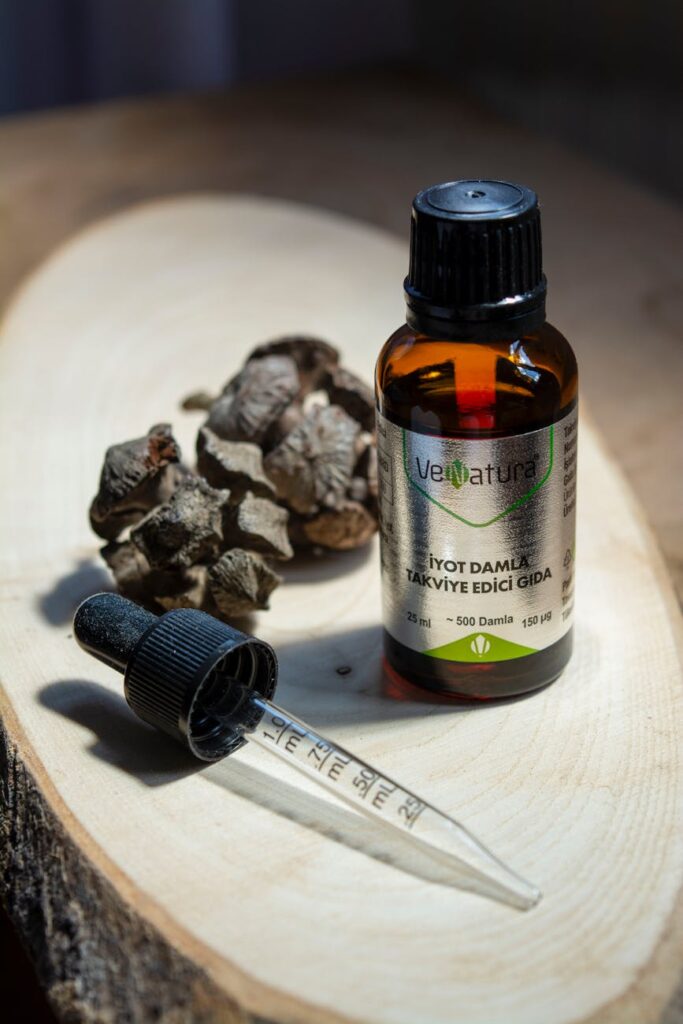
Complete Guide to Mistletoe Extract
Introduction
Mistletoe, a plant steeped in folklore and tradition, has captivated human imagination for centuries. Known primarily for its association with holiday festivities, mistletoe also boasts a rich history in herbal medicine and aromatherapy. This guide delves into mistletoe extract, exploring its properties, benefits, uses, and safety considerations, providing a comprehensive resource for anyone interested in this fascinating botanical.
What Is Mistletoe Extract?
Mistletoe extract is derived from the leaves, stems, and berries of various mistletoe species, primarily Viscum album (European mistletoe) and Phoradendron (American mistletoe). These semi-parasitic plants thrive on the branches of trees and shrubs, extracting nutrients from their hosts. The extraction process typically involves using solvents such as water or alcohol to obtain the plant’s bioactive compounds.
Rich in flavonoids, alkaloids, and polysaccharides, mistletoe extract is revered in various cultures, particularly in Europe, for its potential health benefits and its role in traditional medicine.
Key Benefits and Properties
Mistletoe extract is known for several key properties:
1. Antioxidant Activity
Mistletoe contains a variety of phytochemicals that exhibit antioxidant properties. These compounds help neutralize free radicals, which can cause cellular damage and contribute to aging and disease.
2. Immune Support
Some studies suggest that mistletoe may bolster the immune system. Its bioactive compounds are thought to enhance immune response, making it a popular choice in certain herbal practices.
3. Sedative Effects
Mistletoe has been traditionally used for its calming properties. Some anecdotal evidence suggests it may help alleviate stress and promote relaxation.
4. Anti-Inflammatory Properties
Research indicates that mistletoe extract may possess anti-inflammatory effects, which can be beneficial for various conditions linked to inflammation.
5. Cardiovascular Health
Preliminary studies have suggested a potential link between mistletoe extract and cardiovascular health, particularly in terms of blood circulation and heart function.
Common Uses
Mistletoe extract is utilized in various forms and applications, including:
1. Herbal Supplements
Mistletoe extract is commonly found in capsules or tinctures, often marketed for immune support and overall wellness.
2. Homeopathic Remedies
In homeopathy, mistletoe is used in diluted forms to address a range of health conditions, particularly those related to stress and anxiety.
3. Cosmetic Products
Due to its antioxidant and anti-inflammatory properties, mistletoe extract is increasingly featured in skincare products aimed at improving skin health and appearance.
4. Culinary Uses
In some cultures, mistletoe is used in cooking, particularly in herbal teas, though caution should be exercised due to the potential toxicity of certain parts of the plant.
Aromatherapy Applications
In aromatherapy, mistletoe extract is valued for its unique scent and potential therapeutic benefits. Here are some common applications:
1. Essential Oil Blends
Mistletoe essential oil can be blended with other essential oils to create calming and grounding formulations. It is often combined with oils such as lavender, chamomile, or cedarwood to enhance relaxation.
2. Diffusion
When diffused, mistletoe oil can fill a space with a subtle, earthy aroma, promoting a serene atmosphere conducive to meditation or relaxation.
3. Massage Oils
Mistletoe extract can be incorporated into massage oils, offering both aromatic benefits and potential skin-soothing properties.
4. Bath Products
Adding mistletoe extract to bath products can create a soothing experience, enhancing relaxation and providing skin benefits.
Safety Considerations
While mistletoe extract is generally regarded as safe when used appropriately, there are several important safety considerations to keep in mind:
1. Toxicity
Certain parts of the mistletoe plant—particularly the berries—are toxic if ingested in large quantities. Symptoms of mistletoe poisoning may include nausea, vomiting, and diarrhea. It is important to use only commercially prepared extracts from reputable sources.
2. Allergies
Individuals with allergies to plants in the Santalaceae family should exercise caution when using mistletoe extract, as allergic reactions could occur.
3. Pregnancy and Breastfeeding
Due to limited research on the safety of mistletoe extract during pregnancy and breastfeeding, it is advisable for pregnant or nursing individuals to avoid its use.
4. Drug Interactions
Mistletoe may interact with certain medications, particularly those affecting blood pressure or immune response. It is important to consult with a healthcare professional before adding it to your regimen.
Storage and Shelf Life
Proper storage of mistletoe extract is essential to maintain its quality and efficacy:
1. Storage Conditions
Mistletoe extract should be stored in a cool, dark place, away from direct sunlight and heat. This helps preserve the integrity of its bioactive compounds.
2. Container
Keep mistletoe extract in its original container, ensuring it is tightly sealed to prevent contamination and degradation.
3. Shelf Life
The shelf life of mistletoe extract varies depending on the form and manufacturer. Generally, tinctures can last for several years when stored properly, while essential oils may have a shorter shelf life. It is advisable to check the label for specific expiration dates.
Frequently Asked Questions
1. Is mistletoe extract safe for everyone?
While mistletoe extract is generally safe for most people, it may not be suitable for individuals with specific allergies, pregnant or breastfeeding women, or those taking certain medications. Always consult a healthcare professional if in doubt.
2. Can mistletoe extract be used in cooking?
Some parts of the mistletoe plant are toxic; therefore, caution is advised. It is best to use commercially prepared extracts or consult knowledgeable sources before culinary use.
3. How can I use mistletoe extract in aromatherapy?
Mistletoe extract can be blended with carrier oils for massage, diffused in an essential oil diffuser, or added to bath products for a soothing experience.
4. Where can I buy mistletoe extract?
Mistletoe extract can be found in health food stores, herbal shops, and online retailers. It is essential to choose products from reputable manufacturers to ensure quality and safety.
5. How do I know if mistletoe extract is effective?
The effectiveness of mistletoe extract can vary based on the individual, the quality of the extract, and the specific application. Anecdotal evidence and personal experiences often guide its use.
Conclusion
Mistletoe extract is a multifaceted botanical with a rich history in traditional medicine and aromatherapy. Its diverse properties and potential benefits make it an intriguing option for those exploring the world of essential oils and herbal remedies. While it is essential to approach its use with caution and awareness of safety considerations, mistletoe extract can be a valuable addition to a holistic wellness routine when used responsibly. Whether for its aromatic qualities or its potential health benefits, mistletoe extract continues to capture the interest of enthusiasts around the globe.