
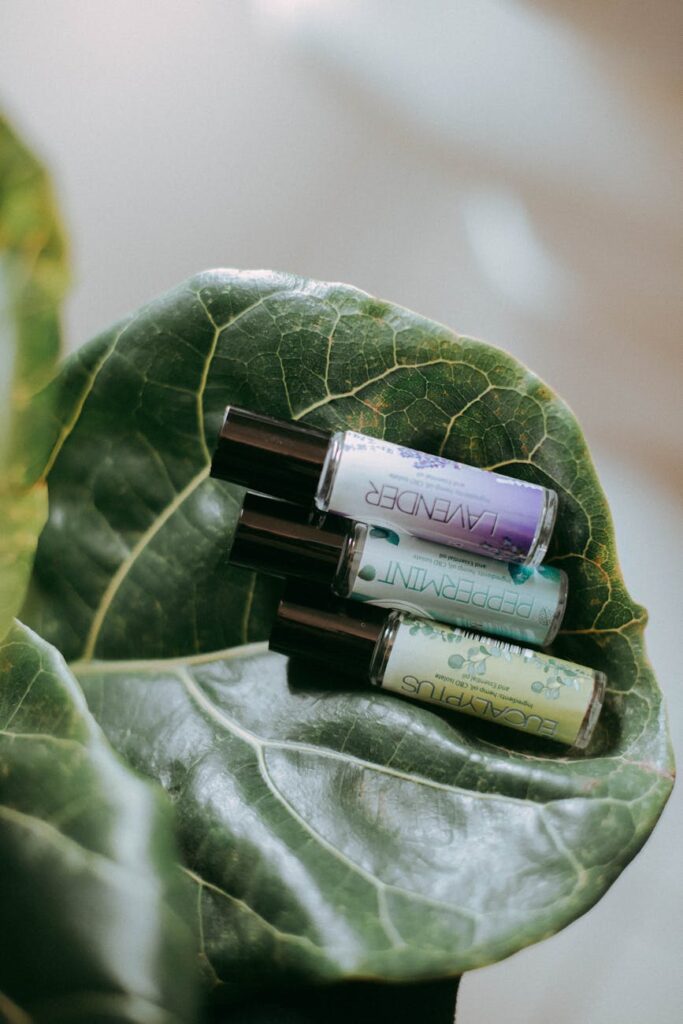
Complete Guide to Mood Enhancing Blends
Introduction
Aromatherapy, the practice of using essential oils for therapeutic purposes, has gained popularity as more individuals seek natural methods to enhance their well-being. Among the myriad of essential oil applications, mood-enhancing blends stand out due to their potential to improve emotional health and promote a sense of calm and happiness. This guide delves into the intricacies of mood-enhancing blends, exploring their definitions, benefits, common uses, and safety considerations.
What Is Mood Enhancing Blends?
Mood-enhancing blends are carefully crafted mixtures of essential oils specifically chosen for their ability to influence emotions positively. These blends can evoke feelings of joy, tranquility, or motivation, depending on the selected oils. Common essential oils used in these blends include lavender, bergamot, ylang-ylang, and citrus oils like lemon and orange. The synergy created by combining these oils can amplify their individual properties, leading to a more profound emotional experience.
Key Benefits and Properties
Mood-enhancing blends offer a range of potential benefits, largely attributed to the unique properties of essential oils. Here are some key benefits:
1. Emotional Balance: Certain oils, such as bergamot and chamomile, have calming properties that may help reduce anxiety and promote emotional stability.
2. Stress Relief: Oils like lavender and frankincense are known for their relaxing effects, potentially helping to alleviate stress and tension.
3. Increased Energy and Motivation: Citrus oils, such as grapefruit and lemon, can invigorate the senses and enhance mood, making them ideal for those needing a motivational boost.
4. Enhanced Sleep Quality: Blends containing sedative oils, like lavender and vetiver, may assist in promoting restful sleep and reducing insomnia.
5. Mood Elevation: Many essential oils have uplifting properties that can foster a sense of happiness and positivity, making them useful for combating feelings of sadness or lethargy.
Common Uses
Mood-enhancing blends can be utilized in various ways, tailored to individual preferences and lifestyles. Here are some common applications:
1. Diffusion: Using an essential oil diffuser is one of the most popular methods to disperse the aroma of mood-enhancing blends throughout a room. This method allows for a gentle, continuous release of scent, creating a soothing environment.
2. Topical Application: Blends can be diluted with a carrier oil and applied to pulse points, such as wrists and temples, for a more direct impact. This method allows the oils to be absorbed through the skin, enhancing their efficacy.
3. Bathing: Adding mood-enhancing blends to a warm bath can create a luxurious and relaxing experience. The steam from the hot water will help to disperse the aromas while the oils nourish the skin.
4. Inhalation: Simply inhaling the aroma from a bottle or applying a few drops to a cotton ball can provide immediate effects. This method is particularly useful for on-the-go emotional support.
5. Massage: Incorporating mood-enhancing blends into massage oils can enhance relaxation and promote emotional well-being during a massage session.
Aromatherapy Applications
Aromatherapy employs mood-enhancing blends in various settings, including homes, workplaces, and wellness centers. Here are some specific applications:
1. Home Environment: Diffusing mood-enhancing blends in living spaces can create a calming atmosphere conducive to relaxation and social interaction.
2. Workplace: Utilizing blends in office settings can help reduce stress and promote focus among employees. Blends with energizing oils can invigorate the workspace, while calming blends can provide a respite during busy days.
3. Wellness and Spa Treatments: Many spas incorporate mood-enhancing blends into their services, such as massages and facials, to enhance relaxation and improve the overall experience.
4. Yoga and Meditation: Incorporating essential oils into yoga and meditation practices can deepen the experience, promoting mindfulness and emotional clarity.
5. Personal Care Products: Many individuals create their own personal care products, such as lotions and perfumes, using mood-enhancing blends to enjoy their benefits throughout the day.
Safety Considerations
While mood-enhancing blends can offer numerous benefits, it is essential to use them safely. Here are some considerations:
1. Patch Test: Before applying a blend topically, conduct a patch test to check for any allergic reactions. Apply a small amount of diluted oil to a discreet area of skin and observe for 24 hours.
2. Dilution: Essential oils should be diluted with a carrier oil, such as coconut or jojoba oil, before topical application. This reduces the risk of skin irritation.
3. Consultation: For individuals with specific health conditions, pregnant or breastfeeding women, or those taking medications, it is advisable to consult a healthcare professional before using essential oils.
4. Storage: Store essential oils in a cool, dark place, away from direct sunlight, to maintain their potency and prevent degradation.
5. Quality: Choose high-quality, pure essential oils from reputable sources to ensure safety and efficacy.
Storage and Shelf Life
Proper storage of essential oils is vital to maintain their quality and extend their shelf life. Here are some tips:
1. Container: Essential oils should be stored in dark glass bottles to protect them from light. Avoid plastic containers, as they can interact with the oils.
2. Temperature: Keep oils in a cool environment, ideally between 60°F and 85°F (15°C to 29°C). Avoid exposure to extreme temperatures.
3. Shelf Life: The shelf life of essential oils varies by type. Citrus oils typically last 1-2 years, while oils like sandalwood may last up to 5 years or more. Regularly check for any changes in scent, color, or consistency, which may indicate a loss of potency.
Frequently Asked Questions
1. Can I create my own mood-enhancing blends?
Yes, creating your own blends can be a rewarding experience. Start by selecting a few oils that resonate with you and experiment with different ratios until you find a combination that suits your needs.
2. How do I know which oils to choose for my mood?
Research the properties of various essential oils and consider what emotions you wish to evoke. For example, if you seek relaxation, oils like lavender and chamomile may be beneficial, while citrus oils can uplift your mood.
3. Is it safe to use essential oils around pets?
Some essential oils can be toxic to pets, particularly cats. It is essential to research specific oils and consult a veterinarian if unsure about their safety.
4. How often can I use mood-enhancing blends?
The frequency of use depends on personal preference and sensitivity. Many individuals use them daily, while others may prefer occasional use. Listen to your body and adjust accordingly.
5. Can mood-enhancing blends replace professional help for mental health?
While mood-enhancing blends can support emotional well-being, they are not a substitute for professional mental health treatment. If you have significant emotional concerns, it is advisable to seek help from a qualified professional.
Conclusion
Mood-enhancing blends offer a holistic approach to emotional wellness, harnessing the natural properties of essential oils to elevate mood and promote a sense of well-being. By understanding their benefits, applications, and safety considerations, individuals can incorporate these blends into their daily routines, creating a nourishing environment for both body and mind. Whether through diffusion, topical application, or other methods, the potential of mood-enhancing blends is vast, inviting exploration and enjoyment of the aromatic world of essential oils.