
Complete Guide to Moringa Oil Part 7
Introduction
Moringa oil, derived from the seeds of the Moringa oleifera tree, has gained popularity in recent years for its numerous beneficial properties and versatile applications. Known as the “miracle tree,” Moringa has been utilized for centuries in various cultures for its nutritional and medicinal qualities. This guide aims to explore the composition, benefits, uses, and safe handling of Moringa oil, providing a comprehensive overview for those interested in this remarkable oil.
What Is Moringa Oil?
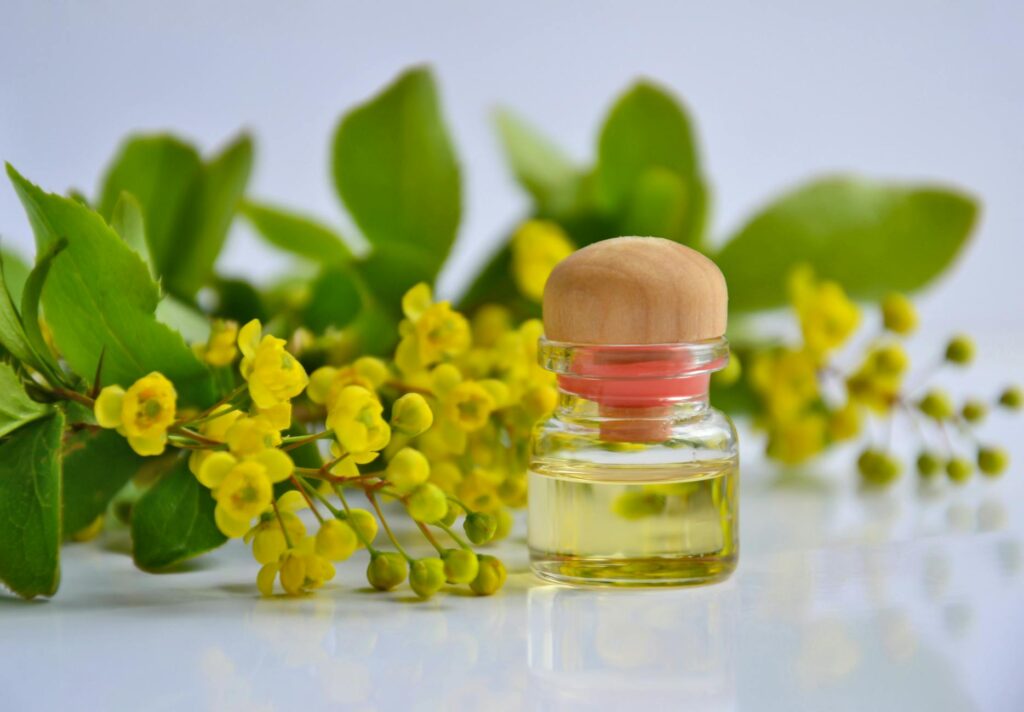
Moringa oil, also referred to as Ben oil, is extracted from the seeds of the Moringa oleifera tree, which is native to parts of Africa and Asia. The extraction process typically involves cold-pressing the seeds, preserving the oil’s natural properties. Moringa oil is light yellow in color and possesses a slightly nutty aroma. It is rich in oleic acid, an unsaturated fatty acid, making it an excellent choice for various applications, including cosmetic and culinary uses.
Key Benefits and Properties
Moringa oil is celebrated for its rich nutrient profile and beneficial properties. Some of its key components include:
- Vitamins and Antioxidants: Moringa oil is rich in vitamins A, C, and E, which are known for their antioxidant properties. These vitamins help combat oxidative stress and promote skin health.
- Fatty Acids: The high concentration of oleic acid in Moringa oil contributes to its moisturizing and emollient properties, making it an effective ingredient in skincare products.
- Anti-inflammatory Properties: Moringa oil contains compounds that may help reduce inflammation, making it beneficial for soothing irritated skin.
- Antimicrobial Activity: Some studies suggest that Moringa oil has antimicrobial properties, which can help protect the skin from infections.
- Skincare: Due to its moisturizing properties, Moringa oil is commonly used in lotions, creams, and serums. It is suitable for all skin types and can help hydrate dry skin, reduce the appearance of fine lines, and promote a healthy glow.
- Hair Care: Moringa oil can nourish and strengthen hair, making it a popular ingredient in shampoos, conditioners, and hair masks. It helps to moisturize the scalp, reduce dandruff, and enhance hair shine.
- Culinary Uses: Moringa oil can be used for cooking and as a salad dressing. Its high smoke point makes it suitable for sautéing and frying, while its unique flavor can enhance various dishes.
- Massage Oil: Its light texture and pleasant aroma make Moringa oil an excellent choice for massage therapy, providing both relaxation and skin nourishment.
- Carrier Oil: Moringa oil can be blended with essential oils like lavender, eucalyptus, or tea tree oil to create soothing massage oils or topical applications. Its lightweight texture allows for easy absorption into the skin.
- Diffusion: While not typically used on its own in a diffuser, Moringa oil can be added to blends to enhance the moisturizing effects when inhaled, promoting a calming atmosphere.
- Relaxation Rituals: Incorporating Moringa oil into bath routines can enhance relaxation. Adding a few drops to warm bath water or mixing it with Epsom salts creates a nourishing soak that hydrates the skin.
- Patch Test: Before applying Moringa oil to the skin, it is advisable to conduct a patch test on a small area to check for any adverse reactions.
- Allergic Reactions: Individuals with known allergies to plants in the Moringaceae family should avoid using Moringa oil. Always consult with a healthcare professional if unsure.
- Pregnancy and Nursing: Pregnant or nursing individuals should seek advice from a healthcare professional before incorporating Moringa oil into their routines.
- Dosage in Culinary Use: When using Moringa oil in cooking, moderation is key. It is important to balance the use of any oil in the diet with other nutritional components.
- Cool, Dark Place: Store Moringa oil in a cool, dark place away from direct sunlight to prevent oxidation and rancidity.
- Tightly Sealed Containers: Use airtight containers to minimize exposure to air, which can degrade the oil over time.
- Refrigeration: While not necessary, refrigeration can extend the shelf life of Moringa oil, especially in warmer climates.
- Shelf Life: When stored correctly, Moringa oil can last up to 12–18 months. Always check for any changes in smell or appearance before use.
Common Uses
Moringa oil’s versatility allows it to be used in various applications, including:
Aromatherapy Applications
In the realm of aromatherapy, Moringa oil is gaining recognition for its potential benefits. While it may not be a primary essential oil used in blending, it can serve as a carrier oil for diluting essential oils. Here are some ways Moringa oil can be integrated into aromatherapy practices:
Safety Considerations
While Moringa oil is generally considered safe for topical and culinary use, some precautions should be observed:
Storage and Shelf Life
Proper storage is essential to maintain the quality of Moringa oil. Here are some guidelines:
Frequently Asked Questions
1. Can Moringa oil be used on all skin types?
Yes, Moringa oil is suitable for all skin types, including oily and sensitive skin. Its lightweight nature makes it easily absorbed without clogging pores.
2. Is Moringa oil safe for culinary use?
Yes, Moringa oil can be safely used for cooking and as a salad dressing. Its high smoke point makes it suitable for various cooking methods.
3. How can I incorporate Moringa oil into my skincare routine?
You can add Moringa oil to your existing skincare products, use it as a standalone moisturizer, or blend it with essential oils for enhanced benefits.
4. Is Moringa oil suitable for hair care?
Yes, Moringa oil can be beneficial for hair care. It helps to moisturize the scalp, reduce dandruff, and promote healthy, shiny hair.
5. Can Moringa oil help with acne?
While individual results may vary, Moringa oil’s anti-inflammatory and antimicrobial properties may support acne-prone skin. However, it is advisable to perform a patch test first.
Conclusion
Moringa oil is a versatile and nutrient-rich oil that offers a plethora of benefits for skincare, hair care, and culinary uses. Its rich composition makes it an excellent addition to various products and practices, from nourishing the skin to enhancing culinary dishes. With proper storage and precautions, Moringa oil can be a valuable asset in one’s wellness and beauty routine. As with any natural product, understanding its properties and potential applications can maximize its benefits and enrich one’s lifestyle.