
Complete Guide to Moringa Seed Oil Extract
Introduction
Moringa seed oil, derived from the seeds of the Moringa oleifera tree, has gained significant attention in recent years due to its wide array of beneficial properties and uses. Often referred to as the “miracle tree,” Moringa has been utilized in traditional medicine and agriculture for centuries. This guide aims to provide a comprehensive overview of Moringa seed oil extract, its benefits, applications, and considerations for use, making it a valuable resource for those interested in natural remedies and essential oils.
What Is Moringa Seed Oil Extract?
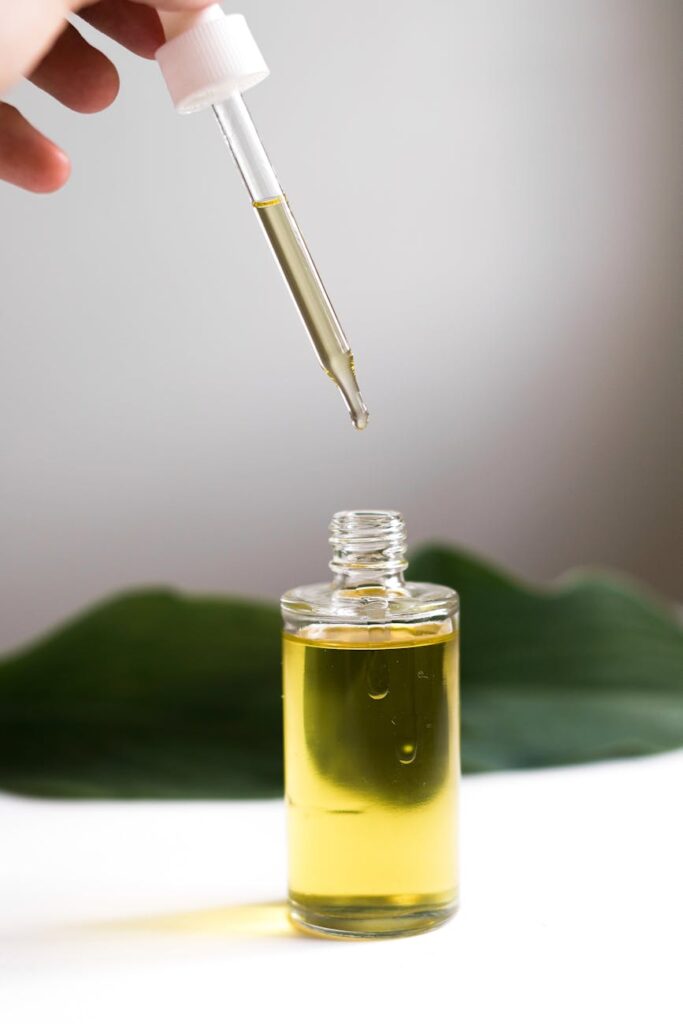
Moringa seed oil is extracted from the seeds of the Moringa oleifera tree, native to parts of Africa and Asia. The oil is typically obtained through cold-pressing, a method that preserves the oil’s nutrients and properties. Moringa seed oil is light in texture, with a pale yellow or golden color, and is rich in essential fatty acids, antioxidants, and vitamins, making it a sought-after ingredient in cosmetics, skincare, and cooking.
The oil is known for its non-greasy feel and rapid absorption properties, making it suitable for a variety of applications.
Key Benefits and Properties
Moringa seed oil is celebrated for its numerous health and beauty benefits, which can be attributed to its rich composition:
1. Nutrient-Rich: Moringa seed oil is high in oleic acid, a monounsaturated fatty acid that is beneficial for heart health. It also contains vitamins A, C, and E, known for their antioxidant properties.
2. Antioxidant Properties: The oil is packed with antioxidants, which help combat oxidative stress and may protect skin cells from damage caused by free radicals.
3. Anti-Inflammatory Effects: Moringa seed oil possesses anti-inflammatory properties that can help soothe irritated skin and reduce redness.
4. Moisturizing: Its emollient properties make it an excellent moisturizer for skin and hair, contributing to hydration and softness.
5. Antimicrobial Activity: Some studies suggest that Moringa seed oil may exhibit antimicrobial properties, potentially helping to inhibit the growth of certain bacteria and fungi.
6. Non-Comedogenic: Moringa seed oil is known to be non-comedogenic, meaning it does not clog pores, making it suitable for various skin types, including oily and acne-prone skin.
Common Uses
Moringa seed oil extract has a wide range of applications across various fields, including:
1. Skincare
Moringa oil is commonly used in skincare products due to its moisturizing and nourishing properties. It can be found in creams, lotions, and serums aimed at hydrating the skin, reducing signs of aging, and improving overall skin texture.
2. Haircare
The oil is often added to shampoos, conditioners, and hair masks. Its moisturizing properties can help strengthen hair, reduce frizz, and promote shine.
3. Culinary Uses
Moringa seed oil can be used in cooking, especially for sautéing and salad dressings. Its mild flavor and high smoke point make it a versatile cooking oil.
4. Massage and Body Oils
Due to its light texture and skin-nourishing properties, Moringa seed oil is often used in massage oils and body blends, providing a soothing experience while moisturizing the skin.
Aromatherapy Applications
In aromatherapy, Moringa seed oil is typically used as a carrier oil. Carrier oils are essential for diluting essential oils before they are applied to the skin. Moringa’s light texture and rapid absorption make it an excellent choice for this purpose.
Blending with Essential Oils
Moringa seed oil can be blended with a variety of essential oils to create personalized aromatherapy blends. Some popular essential oil pairings include:
- Lavender: Known for its calming properties, lavender essential oil blends well with Moringa for relaxation and stress relief.
- Tea Tree: Known for its antibacterial properties, tea tree oil combined with Moringa can be beneficial for acne-prone skin.
- Peppermint: When mixed with Moringa oil, peppermint can provide a refreshing sensation, perfect for invigorating massages.
Diffusion
While Moringa seed oil itself does not have a strong aroma, it can be used in a diffuser as a carrier for essential oils, allowing the therapeutic benefits of the essential oils to be enjoyed in the air.
Safety Considerations
While Moringa seed oil is generally considered safe for topical application and culinary use, there are some important safety considerations to keep in mind:
1. Patch Test: It is advisable to conduct a patch test before using Moringa seed oil on the skin, especially for those with sensitive skin or allergies. Apply a small amount to a discreet area and monitor for any adverse reactions.
2. Allergies: Individuals with known allergies to Moringa or related plants should avoid using the oil.
3. Pregnancy and Nursing: Pregnant or nursing individuals should consult a healthcare provider before using Moringa seed oil.
4. Interactions: Those taking medications should consult a healthcare professional before incorporating Moringa seed oil into their routine, as it may interact with certain medications.
Storage and Shelf Life
To maintain the quality of Moringa seed oil, proper storage is essential:
1. Storage Conditions: Store Moringa seed oil in a cool, dark place, away from direct sunlight and heat. Exposure to light and heat can degrade the oil and reduce its efficacy.
2. Container: Use a dark glass bottle for storage, as it can help preserve the oil’s integrity by minimizing light exposure.
3. Shelf Life: Moringa seed oil has a shelf life of approximately 12 to 24 months when stored correctly. Always check for any off odors or changes in appearance before use, as these may indicate spoilage.
Frequently Asked Questions
1. Can Moringa seed oil be used on all skin types?
Yes, Moringa seed oil is suitable for various skin types, including oily, dry, and sensitive skin. Its non-comedogenic properties make it an excellent choice for those with acne-prone skin.
2. Is Moringa seed oil safe for cooking?
Yes, Moringa seed oil can be safely used in cooking. Its high smoke point makes it suitable for sautéing, frying, and salad dressings.
3. How can I incorporate Moringa seed oil into my skincare routine?
Moringa seed oil can be used alone as a moisturizer or added to your favorite skincare products. It can also be blended with essential oils for additional benefits.
4. Can Moringa seed oil help with hair growth?
While Moringa seed oil may help improve the overall health of hair and scalp due to its moisturizing properties, individual results may vary. Regular use can lead to shinier, healthier hair.
5. Where can I purchase Moringa seed oil?
Moringa seed oil is available at health food stores, specialty shops, and online retailers. Be sure to choose high-quality, cold-pressed oil to ensure maximum benefits.
Conclusion
Moringa seed oil extract is a versatile and beneficial oil that can enhance skincare, haircare, and culinary practices. With its rich nutrient profile and numerous applications, it serves as a valuable addition to natural wellness routines. By understanding its benefits, uses, and safety considerations, individuals can make informed decisions about incorporating Moringa seed oil into their daily lives. Whether used in a skincare regimen, as a culinary oil, or in aromatherapy, Moringa seed oil offers a wealth of possibilities.