
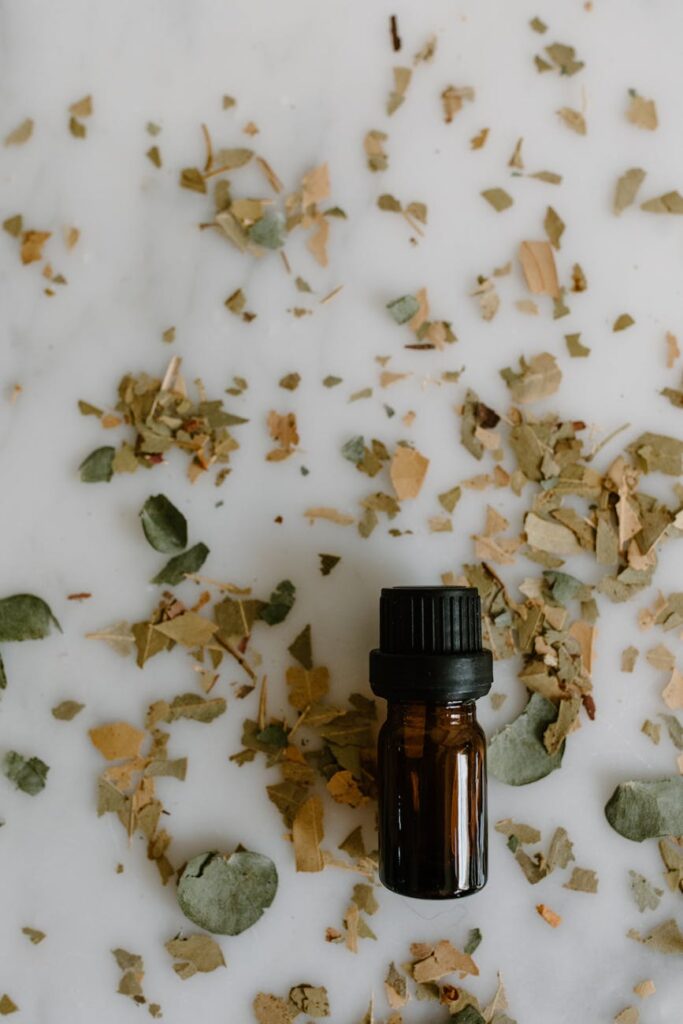
Complete Guide to Myrrh Oil Part 2
Introduction
Myrrh oil has been recognized for centuries, not only for its aromatic qualities but also for its diverse applications across various cultures. This article will delve into the characteristics of myrrh oil, its benefits and properties, common uses, and important safety considerations, ensuring a comprehensive understanding of this valuable essential oil.
What Is Myrrh Oil?
Myrrh oil is derived from the resin of the Commiphora myrrha tree, which is native to parts of the Middle East and North Africa. The harvesting process involves making incisions in the bark of the tree, allowing the resin to ooze out and harden. Once collected, this resin is steam-distilled to produce myrrh essential oil.
This oil has a warm, earthy scent, often described as slightly bitter and woody, making it a popular choice in perfumery and incense. Historically, myrrh has been used in religious ceremonies, traditional medicine, and as a valuable trade commodity.
Key Benefits and Properties
Myrrh oil is celebrated for its rich composition, which includes compounds such as sesquiterpenes, terpenoids, and various aromatic constituents. These compounds contribute to several beneficial properties:
- Antimicrobial: Myrrh oil has demonstrated antimicrobial properties, making it a popular choice for natural cleaning formulations and skin care products.
- Anti-inflammatory: The oil is often utilized for its anti-inflammatory effects, which can help to soothe irritation when applied topically.
- Antioxidant: Myrrh oil contains compounds that may help combat oxidative stress, promoting overall wellness.
- Emotional Balance: The scent of myrrh is known to encourage feelings of tranquility and emotional stability, making it a common choice for relaxation practices.
- Cosmetic Products: Myrrh oil is often used in skin care formulations for its purported benefits in promoting healthy skin. It may be included in creams, lotions, and serums for its soothing properties.
- Incense and Perfumes: The rich aroma of myrrh has made it a staple in incense and fragrance production, where it is appreciated for its deep, grounding scent.
- Traditional Medicine: In various cultures, myrrh has been used traditionally for its potential health benefits, often in the form of tinctures or herbal preparations.
- Household Products: Many natural cleaning products incorporate myrrh oil for its antimicrobial properties, making it a popular choice for those seeking eco-friendly alternatives.
- Diffusion: Myrrh oil can be added to an essential oil diffuser to create a serene atmosphere. Its warm scent is thought to promote relaxation and reduce feelings of anxiety.
- Massage: When diluted with a carrier oil, myrrh oil can be used in massage therapy. Its anti-inflammatory properties may enhance the experience and provide soothing effects on sore muscles.
- Meditation Practices: Many practitioners incorporate myrrh oil into their meditation routines, as its grounding aroma is believed to facilitate deeper states of mindfulness.
- Bathing: Adding a few drops of myrrh oil to bathwater can create a tranquil bathing experience. The warmth of the oil may help to ease tension and promote relaxation.
- Dilution: Essential oils are highly concentrated and should be diluted in a carrier oil before topical application to minimize the risk of skin irritation.
- Pregnancy and Nursing: Pregnant and nursing individuals should consult with a healthcare provider before using myrrh oil, as its effects during these periods are not well-studied.
- Allergic Reactions: Conduct a patch test before using myrrh oil topically to check for any allergic reactions. Apply a small amount of diluted oil to a discreet area and monitor for any adverse effects.
- Interactions: Myrrh oil may interact with certain medications, particularly those affecting blood clotting. It is advisable to consult a healthcare professional if you are on medication.
- Storage: Proper storage is essential to maintain the quality of myrrh oil. Keep it in a cool, dark place, away from direct sunlight, to prevent degradation.
- Avoid Heat and Light: High temperatures and UV light can degrade the oil over time. Store it in a cabinet or drawer away from direct sunlight.
- Tightly Seal: Always ensure that the bottle is tightly sealed after use to prevent oxidation.
- Monitor for Changes: Regularly check the oil for any changes in scent, color, or viscosity. If you notice any changes, it may be time to replace the oil.
Common Uses
The versatility of myrrh oil lends itself to numerous applications in various fields:
Aromatherapy Applications
In the realm of aromatherapy, myrrh oil is valued for its calming and grounding effects. Here are some common applications:
Safety Considerations
While myrrh oil is generally considered safe for use, certain precautions should be observed:
Storage and Shelf Life
The shelf life of myrrh oil can vary based on several factors, including storage conditions and the quality of the oil itself. Generally, when stored in a dark glass bottle in a cool, dry place, myrrh oil can last for about 3 to 5 years.
To ensure the longevity of your myrrh oil, consider the following tips:
Frequently Asked Questions
1. Can myrrh oil be ingested?
While myrrh oil has been used traditionally in some cultures for internal consumption, it is important to note that ingestion should only be done under the guidance of a qualified healthcare professional. Essential oils are highly concentrated and may cause adverse effects if consumed improperly.
2. How do I use myrrh oil for skin care?
To use myrrh oil for skin care, dilute it with a carrier oil (such as jojoba or coconut oil) before applying it to the skin. A common dilution ratio is 1-2 drops of essential oil per teaspoon of carrier oil. Apply to the desired area and monitor for any irritation.
3. Is myrrh oil safe for children?
Myrrh oil should be used with caution around children. It is advisable to consult a healthcare professional before using myrrh oil on children, as their skin may be more sensitive to essential oils.
4. Can myrrh oil help with sore throats?
While myrrh oil has traditionally been used for soothing throat discomfort, it is recommended to consult a healthcare professional for appropriate treatments and remedies.
5. How can I incorporate myrrh oil into my daily routine?
Myrrh oil can be incorporated into your daily routine through various methods, such as adding it to your skincare products, using it in aromatherapy diffusers, or incorporating it into your meditation practices for added tranquility.
Conclusion
Myrrh oil is a remarkable essential oil with a rich history and a wide array of applications. From its potential benefits for skin care to its calming properties in aromatherapy, myrrh oil remains a valued asset in both holistic and everyday practices. By understanding its properties, uses, and safety considerations, individuals can make informed choices about incorporating this ancient oil into their lives.