
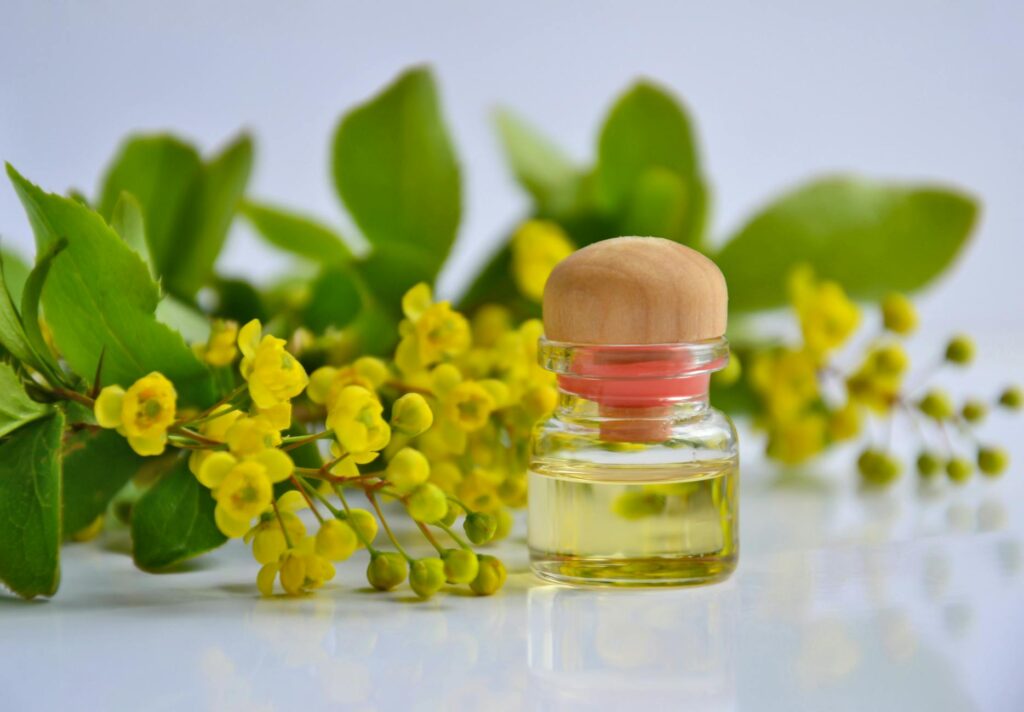
Complete Guide to Myrrh Oil Part 5
Introduction
Myrrh oil, a revered essential oil derived from the resin of the Commiphora myrrha tree, has been utilized for centuries across various cultures for its aromatic, therapeutic, and medicinal properties. Traditionally associated with ancient rituals, myrrh has found its place in modern aromatherapy and holistic practices. This comprehensive guide will explore myrrh oil in depth, detailing its composition, benefits, applications, and safety considerations.
What Is Myrrh Oil?
Myrrh oil is extracted from the sap-like resin of the Commiphora myrrha tree, which is indigenous to regions of Africa and the Arabian Peninsula. The extraction process typically involves steam distillation or solvent extraction, which preserves the oil’s aromatic and therapeutic qualities. Myrrh has a rich history, often mentioned in ancient texts, including the Bible, where it was valued as a gift fit for kings and used in religious ceremonies.
The oil is characterized by its warm, earthy scent, often described as slightly bitter and smoky. Its unique fragrance profile has made it a popular ingredient in perfumery, incense, and traditional medicine.
Key Benefits and Properties
Myrrh oil is celebrated for its numerous benefits and properties, which include:
1. Antimicrobial Properties
Myrrh oil exhibits antimicrobial activity, making it beneficial for maintaining oral hygiene and skin health. It has been traditionally used to combat infections and promote healing in wounds.
2. Anti-inflammatory Effects
The oil is known for its anti-inflammatory properties, which can help soothe irritated tissues and reduce swelling. This makes it potentially beneficial in massage blends and topical applications for muscle soreness.
3. Emotional Balance
Myrrh oil is often used in aromatherapy to promote emotional well-being. Its grounding scent can help alleviate feelings of anxiety and stress, facilitating a sense of calmness and relaxation.
4. Skin Health
Thanks to its astringent and antiseptic properties, myrrh oil is commonly included in skincare formulations. It may help reduce the appearance of scars, promote skin regeneration, and assist in treating minor skin irritations.
5. Immune Support
While not a substitute for medical treatment, myrrh oil is thought to support the immune system, potentially aiding the body in fighting off infections and illnesses.
Common Uses
Myrrh oil can be utilized in various ways, including:
1. Aromatherapy
Inhalation of myrrh oil through diffusers or personal inhalers can create a calming atmosphere, making it ideal for meditation, yoga, or relaxation practices.
2. Topical Applications
When diluted with a carrier oil, myrrh oil can be applied topically to the skin. It is often included in creams, ointments, and balms designed for skin care.
3. Oral Hygiene Products
Myrrh oil is frequently found in natural mouthwashes and toothpaste due to its antimicrobial properties, promoting oral health and freshening breath.
4. Incense and Perfumes
Its rich and complex aroma makes myrrh a popular ingredient in incense and perfumery, contributing depth and warmth to fragrance blends.
5. Cultural and Spiritual Practices
Myrrh oil has been used in religious ceremonies and rituals, often burned as incense or anointed during significant life events for its spiritual significance.
Aromatherapy Applications
In aromatherapy, myrrh oil is often combined with other essential oils to enhance its effects. Here are some popular blends:
1. Grounding Blend
Combining myrrh oil with cedarwood and frankincense can create a grounding blend, perfect for meditation practices. The combination can help stabilize emotions and foster a sense of inner peace.
2. Skin Healing Blend
Mixing myrrh oil with lavender and tea tree oil can create an effective blend for skin health. This combination can be beneficial for minor cuts, scrapes, and blemishes.
3. Stress Relief Blend
A blend of myrrh oil, bergamot, and chamomile can be particularly soothing during stressful times. This combination may promote relaxation and emotional balance.
4. Immune Support Blend
Myrrh oil combined with eucalyptus and lemon can create a refreshing blend that supports respiratory health and provides a boost to the immune system.
Safety Considerations
While myrrh oil is generally considered safe for use, certain precautions should be taken:
1. Dilution
Myrrh oil should always be diluted with a carrier oil before topical application to avoid skin irritation. A typical dilution ratio is 2-3 drops of essential oil per teaspoon of carrier oil.
2. Sensitivity Testing
Before using myrrh oil, conduct a patch test by applying a small amount of the diluted oil to an inconspicuous area of skin. Wait 24 hours to ensure there are no adverse reactions.
3. Pregnancy and Nursing
Pregnant or nursing individuals should consult with a qualified healthcare professional before using myrrh oil, as certain essential oils may not be safe during these periods.
4. Interaction with Medications
Those on medication, particularly anticoagulants or those with allergies, should consult a healthcare professional prior to using myrrh oil, as it may interact with certain medications.
5. Avoiding Ingestion
Myrrh oil is not intended for internal use unless under the supervision of a qualified healthcare practitioner. Ingesting essential oils can lead to adverse effects.
Storage and Shelf Life
To preserve the quality of myrrh oil, proper storage is essential:
1. Storage Conditions
Store myrrh oil in a cool, dark place, away from direct sunlight and heat sources. A cupboard or drawer is ideal for maintaining its integrity.
2. Container
Always keep myrrh oil in a dark glass bottle to protect it from light exposure, which can degrade the oil over time.
3. Shelf Life
When stored correctly, myrrh oil typically has a shelf life of 3-5 years. However, it is advisable to check for any changes in aroma, color, or consistency before use.
Frequently Asked Questions
1. Is myrrh oil safe for children?
Myrrh oil can be used with children, but it should always be diluted and used cautiously. Consult with a healthcare professional for age-appropriate guidance.
2. Can myrrh oil help with anxiety?
While myrrh oil is known for its calming properties, it is not a substitute for professional treatment for anxiety disorders. It can enhance relaxation but should be used as a complementary approach.
3. Where can I buy high-quality myrrh oil?
High-quality myrrh oil can be found at health food stores, specialty shops, or online retailers. Look for oils that are labeled as 100% pure, therapeutic grade, and sourced from reputable suppliers.
4. Can myrrh oil be mixed with other essential oils?
Yes, myrrh oil blends well with various essential oils, enhancing its aromatic and therapeutic properties. Popular companions include frankincense, lavender, and cedarwood.
5. How can I incorporate myrrh oil into my skincare routine?
To incorporate myrrh oil into skincare, dilute it with a carrier oil and apply it to areas of concern. It can also be added to lotions, creams, or bath oils for enhanced benefits.
Conclusion
Myrrh oil is a versatile and valuable essential oil with a rich historical background and a wide range of applications. From its traditional uses in spiritual practices to its modern applications in aromatherapy and skincare, myrrh oil continues to be celebrated for its unique properties. By understanding its benefits, uses, and safety considerations, individuals can integrate myrrh oil into their wellness routines effectively. Whether used for emotional balance, skin health, or simply to enjoy its rich aroma, myrrh oil remains a cherished component of holistic practices around the world.