
Complete Guide to Myrrh Oil Part 6
Introduction
Myrrh oil, derived from the resin of the Commiphora myrrha tree, has been valued for centuries for its aromatic qualities and therapeutic properties. Known for its warm, earthy scent, myrrh oil is a staple in various cultural practices, from ancient rituals to modern aromatherapy. This guide will delve into the essence of myrrh oil, exploring its benefits, uses, and safe practices for incorporation into everyday life.
What Is Myrrh Oil?
Myrrh oil is an essential oil obtained through the steam distillation of the resin of the Commiphora myrrha tree, which is native to regions in Africa and the Middle East. The name “myrrh” comes from the Arabic word “murr,” meaning bitter, which reflects the resin’s taste. Historically, myrrh has been utilized in religious ceremonies, as an embalming agent, and for its potential health benefits. Its complex chemical composition, rich in compounds like sesquiterpenes and aldehydes, contributes to its distinctive aroma and therapeutic properties.
Key Benefits and Properties
Myrrh oil is celebrated for several key benefits, including:
1. Anti-inflammatory Properties: Myrrh is known for its potential anti-inflammatory effects, which may help alleviate discomfort from various conditions.
2. Antimicrobial Activity: Research suggests that myrrh oil exhibits antimicrobial properties, making it a popular choice for natural cleaning solutions and personal care products.
3. Wound Healing: Traditionally, myrrh has been used to promote wound healing and reduce the appearance of scars.
4. Emotional Balance: Myrrh is believed to support emotional stability, often used in meditation practices to encourage grounding and tranquility.
5. Respiratory Support: The oil may also aid respiratory health, with its aromatic properties helping to ease breathing and promote relaxation.
6. Digestive Support: Myrrh has been traditionally used to support digestive health, although more research is needed to substantiate these claims.
Common Uses
Myrrh oil can be used in various applications, including:
- Skin Care: Due to its potential benefits for skin health, myrrh oil is often incorporated into creams, ointments, and serums to promote a healthy complexion.
- Traditional Medicine: In some cultures, myrrh is used in herbal remedies and tinctures for its purported health benefits.
- Incense and Perfume: Myrrh’s rich aroma makes it a popular ingredient in incense and perfumes, enhancing spiritual practices and personal fragrance.
- Household Products: Its antimicrobial properties lend themselves well to DIY cleaning solutions, offering a natural alternative to chemical-laden products.
- Dilution: Always dilute myrrh oil with a carrier oil before applying it to the skin to minimize the risk of irritation.
- Skin Sensitivity: Conduct a patch test on a small area of skin before widespread use to check for potential allergic reactions.
- Pregnancy and Nursing: Pregnant or nursing individuals should consult a qualified healthcare provider before using myrrh oil.
- Interactions with Medications: Myrrh oil may interact with certain medications, particularly those related to blood thinning or hormone regulation. Consult a healthcare professional for guidance.
- Not for Internal Use: Myrrh oil is not recommended for internal consumption unless under the guidance of a qualified healthcare provider.
- Storage Environment: Store myrrh oil in a cool, dark place away from direct sunlight and heat sources. This helps prevent degradation of the oil.
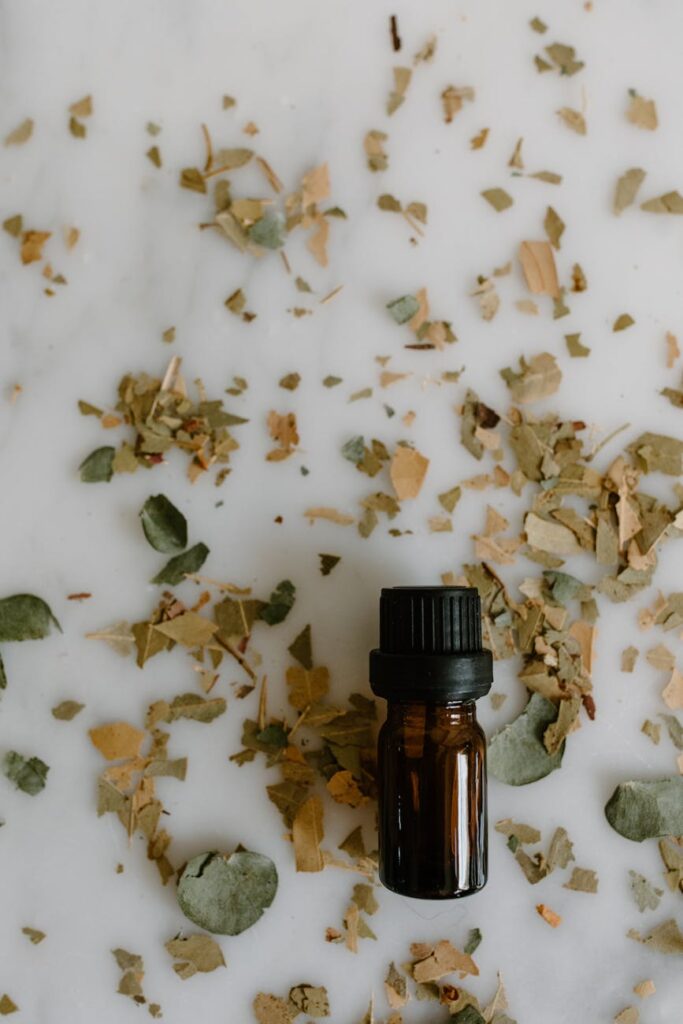
- Container: Use amber or cobalt glass bottles, as they protect the oil from UV light, prolonging its shelf life.
- Shelf Life: When stored correctly, myrrh oil can last up to 3-5 years. However, always check for changes in aroma, color, or consistency before use, as these may indicate spoilage.
Aromatherapy Applications
In aromatherapy, myrrh oil is utilized for its soothing and grounding effects. Here are some common methods of application:
1. Diffusion: Adding a few drops of myrrh oil to a diffuser can create a calming environment, making it ideal for meditation, yoga, or relaxation.
2. Topical Application: When blended with a carrier oil, myrrh can be applied directly to the skin to promote localized effects. Common carrier oils include jojoba, sweet almond, or coconut oil.
3. Inhalation: Inhaling myrrh oil directly from the bottle or using a personal inhaler can help with emotional grounding and respiratory support.
4. Bath Additive: A few drops of myrrh oil can be added to a warm bath for a relaxing and aromatic experience.
5. Massage Oil: Myrrh oil mixed with a carrier oil makes a wonderful massage oil, enhancing relaxation and providing a soothing experience for sore muscles.
Safety Considerations
While myrrh oil is generally regarded as safe when used properly, there are important safety considerations to keep in mind:
Storage and Shelf Life
To maintain the quality and efficacy of myrrh oil, proper storage is essential. Here are some tips:
Frequently Asked Questions
1. Can myrrh oil be used in cooking?
No, myrrh oil is not intended for culinary use. It should only be used for external applications and aromatherapy.
2. Is myrrh oil safe for children?
Myrrh oil should be used with caution around children. Always dilute it appropriately and consult a healthcare professional before use.
3. How does myrrh oil compare to other essential oils?
Myrrh oil is unique in its chemical composition and aroma, offering distinct benefits compared to other essential oils. While oils like lavender or tea tree are known for their calming or antiseptic properties, myrrh’s strength lies in its grounding effects and traditional uses.
4. Can I use myrrh oil in a diffuser?
Yes, myrrh oil can be safely used in a diffuser to create a calming and aromatic environment. Combine it with other essential oils like frankincense or sandalwood for enhanced effects.
5. What should I do if I experience irritation from myrrh oil?
If you experience any irritation or allergic reaction after using myrrh oil, discontinue use immediately and rinse the affected area with a carrier oil to dilute and soothe the skin. If symptoms persist, consult a healthcare professional.
—
In conclusion, myrrh oil is a versatile essential oil with a rich history and a wide range of applications. Whether used for its aromatic qualities or potential therapeutic benefits, myrrh oil can be a valuable addition to your essential oil collection. Always remember to use it safely and responsibly, ensuring that you take care of your well-being while exploring the aromatic world of essential oils.