
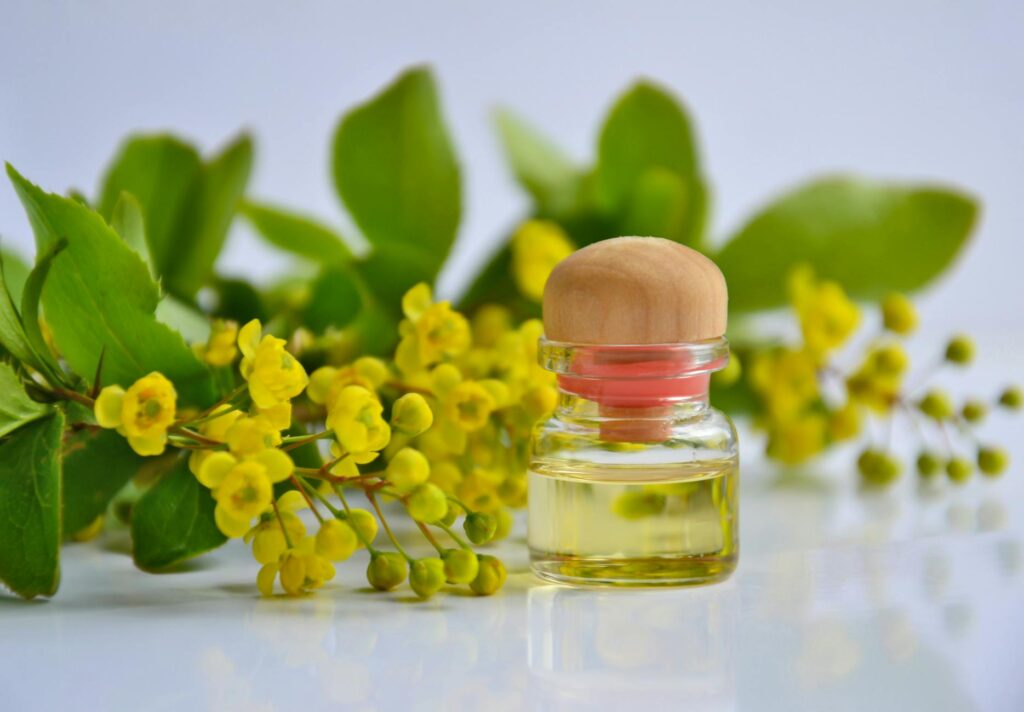
Complete Guide to Myrrh Oil Safety
Introduction
Myrrh oil, derived from the resin of the Commiphora myrrha tree, has been utilized for centuries in various cultures for its aromatic and therapeutic properties. This essential oil is well-regarded in both traditional medicine and modern aromatherapy. However, like all essential oils, myrrh oil must be used with care. This guide aims to provide a comprehensive overview of myrrh oil safety, its benefits, common uses, and essential safety considerations.
What Is Myrrh Oil Safety?
Myrrh oil safety refers to the practices and guidelines that ensure the safe use of this essential oil, minimizing risks while maximizing its benefits. Safety considerations encompass proper dilution, appropriate application methods, potential allergic reactions, and contraindications. Understanding these aspects is essential for anyone wishing to incorporate myrrh oil into their wellness regimen.
Key Benefits and Properties
Myrrh oil is celebrated for its diverse range of benefits and properties. Some of the key characteristics include:
- Antimicrobial: Myrrh oil possesses natural antimicrobial properties, making it a popular choice for maintaining skin health and hygiene.
- Anti-inflammatory: The oil may help reduce inflammation, which can be beneficial for various conditions.
- Astringent: Myrrh oil can promote the tightening of tissues, useful in skincare applications.
- Sedative: Its calming aroma has been associated with relaxation and stress reduction.
- Skincare: Often included in creams and serums for its anti-aging and anti-inflammatory properties.
- Oral Care: Used in mouthwashes and toothpaste due to its antimicrobial effects.
- Incense and Spiritual Practices: Frequently utilized in religious ceremonies and meditation for its grounding aroma.
- Massage: Commonly added to carrier oils for therapeutic massages.
- Diffusion: Adding several drops to an essential oil diffuser to fill the space with its aroma.
- Inhalation: Placing a few drops on a tissue or cloth and inhaling the scent directly for immediate calming effects.
- Topical Application: Diluting myrrh oil with a carrier oil and applying it to pulse points or areas of concern.
- Dark Glass Bottles: Store myrrh oil in dark glass bottles to protect it from light, which can degrade the oil over time.
- Cool, Dry Place: Keep the oil in a cool, dry environment, away from direct sunlight and heat sources.
- Tightly Sealed: Ensure the bottle is tightly sealed when not in use to prevent oxidation.
These properties have led to its use in various applications, enhancing its appeal in both aromatherapy and holistic practices.
Common Uses
Myrrh oil has a multitude of applications, including:
These uses highlight myrrh oil’s versatility and its importance across different contexts.
Aromatherapy Applications
In aromatherapy, myrrh oil is valued for promoting emotional well-being. Its warm, earthy scent can enhance relaxation and grounding during meditation or yoga sessions. Common methods of use include:
Always ensure proper dilution when applying essential oils to the skin to prevent irritation.
Safety Considerations
While myrrh oil offers numerous benefits, it is crucial to follow safety guidelines to avoid adverse reactions. Here are essential safety considerations:
Dilution
Myrrh oil should always be diluted before topical application. A general guideline is to mix 1-2 drops of essential oil with 1 tablespoon (15 ml) of a carrier oil, such as jojoba or coconut oil. This dilution helps mitigate the risk of skin irritation or allergic reactions.
Skin Sensitivity
Conduct a patch test before using myrrh oil on larger areas of the skin. Apply a diluted drop to a small patch of skin and wait 24 hours to check for any adverse reactions, such as redness, itching, or swelling.
Allergies
Individuals with known allergies to plants in the Burseraceae family may be more susceptible to allergic reactions. It is advisable to consult with a qualified professional if you have concerns regarding allergies.
Pregnancy and Nursing
Pregnant and nursing women should exercise caution when using essential oils, including myrrh oil. It’s recommended to consult a healthcare provider before use to ensure safety for both mother and child.
Interaction with Medications
Myrrh oil may interact with certain medications. Individuals taking medications, particularly those affecting the liver or blood sugar levels, should consult with a healthcare professional before using myrrh oil.
Children and Pets
When using myrrh oil around children and pets, it’s essential to ensure proper dilution and ventilation. Some essential oils can be too potent for younger children or pets, leading to potential adverse effects.
Storage and Shelf Life
Proper storage of myrrh oil is crucial to maintain its quality and efficacy. Here are some tips:
Myrrh oil typically has a shelf life of 3-5 years when stored correctly. Regularly check for changes in smell, color, or consistency, as these may indicate spoilage.
Frequently Asked Questions
1. Can I use myrrh oil directly on my skin?
It is not recommended to use myrrh oil directly on the skin without dilution. Always dilute it with a carrier oil to minimize the risk of irritation.
2. What carrier oils are best for diluting myrrh oil?
Common carrier oils include jojoba oil, sweet almond oil, coconut oil, and olive oil. Choose one based on your skin type and personal preference.
3. How can I incorporate myrrh oil into my skincare routine?
Myrrh oil can be added to facial serums, creams, or used in DIY skincare recipes. Always dilute it appropriately before application.
4. Is myrrh oil safe for children?
Myrrh oil can be used around children, but it must be diluted significantly. Always consult a healthcare provider for specific recommendations.
5. Can myrrh oil be ingested?
Ingesting essential oils should only be done under the guidance of a qualified healthcare professional. Myrrh oil is primarily intended for topical and aromatic use.
6. How can I use myrrh oil for emotional support?
Diffusing myrrh oil in your living space or adding it to a bath can help create a calming atmosphere. Inhalation methods can also be effective for emotional support.
Conclusion
Myrrh oil is a remarkable essential oil with a rich history and a variety of applications. Understanding myrrh oil safety is essential to harness its benefits while minimizing risks. By following proper dilution practices, conducting patch tests, and being mindful of individual sensitivities, users can safely incorporate this oil into their wellness routines. Always prioritize safety and consult with qualified professionals when in doubt. With the right knowledge, myrrh oil can be a valuable addition to your holistic health practices.