
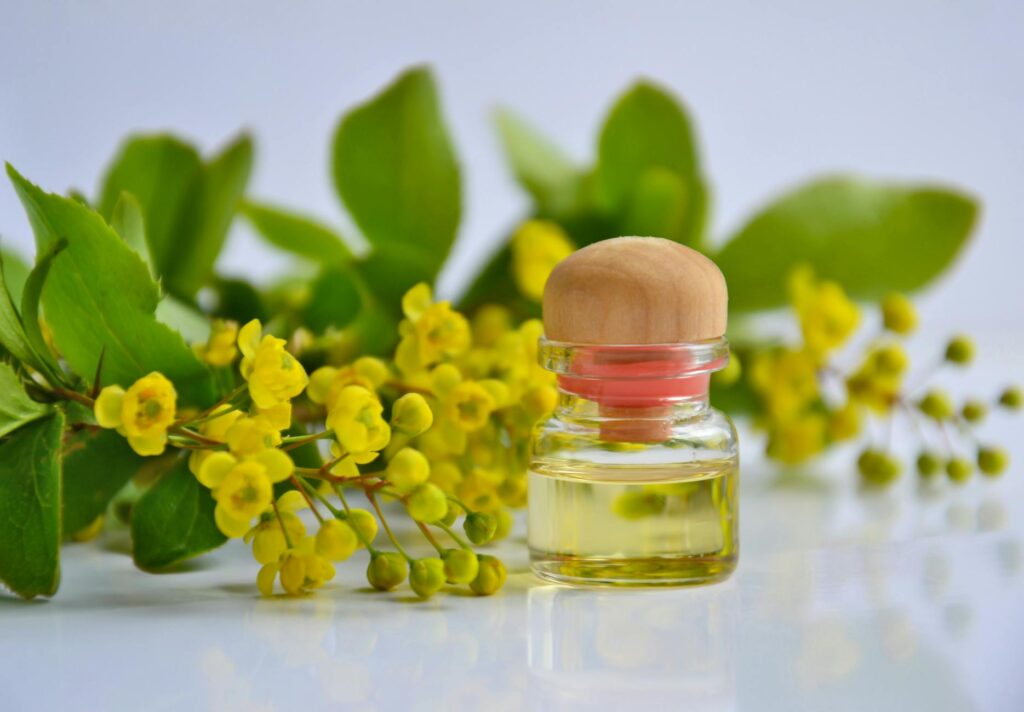
Complete Guide to Myrrh Oil
Introduction
Myrrh oil, derived from the resin of the Commiphora myrrha tree, has been utilized for thousands of years in various cultures for its aromatic, therapeutic, and spiritual properties. Known for its rich, earthy aroma, myrrh oil is a staple in traditional medicine, perfumery, and religious rituals. This guide will explore the origins, benefits, uses, and safety considerations of myrrh oil, providing a comprehensive understanding of this remarkable essential oil.
What Is Myrrh Oil?
Myrrh oil is extracted from the resin of the myrrh tree, native to the regions of East Africa and the Arabian Peninsula. The resin is harvested by making incisions in the bark of the tree, allowing the sap to ooze out and harden into small, aromatic droplets. These droplets are then collected and steam-distilled to produce the essential oil.
The oil has a thick consistency and a warm, balsamic scent, often described as musky or woody. Its historical significance is profound, being mentioned in ancient texts including the Bible, where it was valued alongside gold and frankincense. Myrrh oil was historically used in embalming, incense, and as a medicinal remedy.
Key Benefits and Properties
Myrrh oil is rich in various compounds that contribute to its therapeutic properties. Some of the key components include:
- Sesquiterpenes: These compounds may promote relaxation and grounding.
- Germacrene D: Known for its anti-inflammatory properties.
- Borneol: Often associated with respiratory support.
- Linalool: Recognized for its calming effects.
- Dilution: Always dilute myrrh oil with a carrier oil before applying it to the skin. A common dilution ratio is 2-3 drops of essential oil per teaspoon of carrier oil.
- Patch Test: Conduct a patch test on a small area of skin to check for allergic reactions before widespread use.
- Avoid During Pregnancy: Pregnant women should avoid myrrh oil, as it may stimulate uterine contractions.
- Consult a Professional: If you have underlying health conditions or are taking medications, consult a healthcare professional before using myrrh oil.
- Container: Store myrrh oil in a dark glass bottle to protect it from light, which can degrade the oil.
- Temperature: Keep the oil in a cool, dry place away from direct sunlight and heat sources.
- Shelf Life: When stored properly, myrrh oil has a shelf life of approximately 3-5 years. However, it is best to check for any changes in aroma or consistency before use.
Potential Benefits
1. Anti-Inflammatory: Myrrh oil may help reduce inflammation, making it beneficial for various skin conditions.
2. Antiseptic: The oil has been traditionally used for its antiseptic properties, which may support skin healing.
3. Calming and Grounding: Its rich, warm scent is often used in meditation and relaxation practices.
4. Digestive Aid: Myrrh oil has been historically used to help with digestive discomfort, although more research is needed in this area.
5. Immune Support: Some believe that myrrh oil can help support the immune system, though this is primarily anecdotal.
Common Uses
Myrrh oil has a diverse range of applications, from personal care to spiritual practices. Here are some of the most common uses:
1. Skin Care
Due to its antiseptic and anti-inflammatory properties, myrrh oil is often incorporated into skin care products. It is believed to help heal minor cuts, scrapes, and blemishes. Diluted myrrh oil can be applied topically to soothe dry or irritated skin.
2. Aromatherapy
The calming aroma of myrrh oil makes it a popular choice in aromatherapy. It can be diffused in a space to create a tranquil environment or used in meditation practices to promote grounding.
3. Oral Health
Historically, myrrh oil has been used in oral care products due to its potential antibacterial properties. Some may include it in natural mouthwashes or toothpaste formulations.
4. Massage
Myrrh oil can be blended with carrier oils for use in massage, providing both relaxation and skin benefits.
Aromatherapy Applications
In aromatherapy, myrrh oil is utilized for its calming and grounding effects. Here are some methods of incorporating myrrh oil into your aromatherapy practices:
Diffusion
Using a diffuser, add a few drops of myrrh oil to water and let the aroma fill the space. This method is ideal for creating a peaceful atmosphere during meditation or relaxation sessions.
Inhalation
For a quick boost of calmness, add a drop of myrrh oil to your palms, rub them together, and take a few deep breaths. This technique is effective for on-the-go stress relief.
Bathing
Adding a few drops of myrrh oil to a warm bath can enhance relaxation. Mix the oil with a carrier oil or bath salt before adding it to the water to prevent skin irritation.
Massage
When blended with a carrier oil, myrrh oil can be used in massage therapy. Its soothing properties may help relieve tension and promote a sense of well-being.
Safety Considerations
While myrrh oil is generally considered safe for most people, it is essential to exercise caution. Here are some safety guidelines to follow:
Storage and Shelf Life
Proper storage is crucial for maintaining the quality of myrrh oil. Here are some tips:
Frequently Asked Questions
1. Can myrrh oil be ingested?
Ingesting essential oils should always be approached with caution. While some practitioners may advocate for the internal use of myrrh oil, it is advisable to consult a qualified professional before considering this method.
2. Is myrrh oil safe for children?
Myrrh oil should be used with caution around children. Always dilute the oil and perform a patch test. It is best to consult with a pediatrician before using any essential oil on children.
3. Can I use myrrh oil in a diffuser?
Yes, myrrh oil can be used in a diffuser. Just add a few drops to your diffuser along with the recommended amount of water.
4. Does myrrh oil expire?
While myrrh oil does not technically “expire,” its potency may diminish over time. To ensure the best quality, store it properly and use it within its recommended shelf life.
5. What other oils blend well with myrrh?
Myrrh oil blends well with a variety of other essential oils, including frankincense, sandalwood, lavender, and citrus oils. These combinations can enhance both the therapeutic and aromatic properties.
Conclusion
Myrrh oil is a versatile and historically significant essential oil with a wide range of applications. From its traditional use in spiritual practices to modern skincare, its rich aroma and beneficial properties make it a valuable addition to any essential oil collection. By understanding its uses, benefits, and safety considerations, you can incorporate myrrh oil into your wellness routine effectively. Always remember to consult with a professional if you have specific health concerns or questions about usage.