
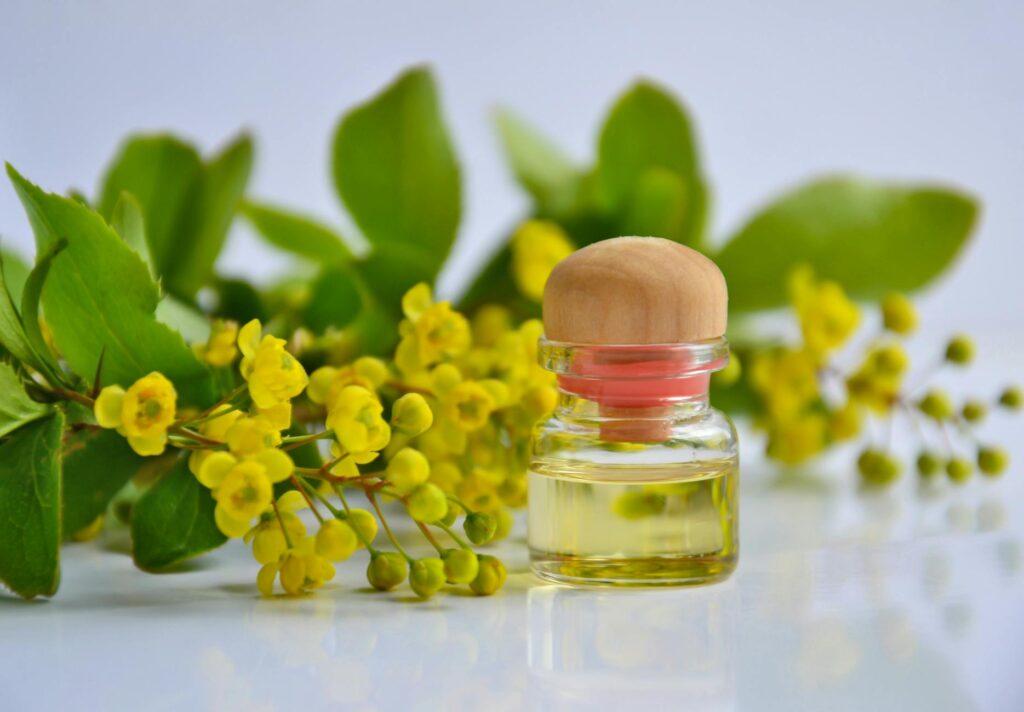
Complete Guide to Native Edible Fruits
Introduction
Native edible fruits are an integral component of the ecosystems they belong to, often reflecting the cultural heritage and biodiversity of their regions. These fruits not only provide sustenance but also offer a rich array of flavors, textures, and nutritional benefits. As we delve into the world of native edible fruits, we’ll explore their definitions, benefits, uses, and applications, while also addressing safety considerations and storage tips.
What Is Native Edible Fruits?
Native edible fruits refer to fruits that are indigenous to a specific region or habitat, having evolved in tandem with local flora and fauna. These fruits are often well-adapted to the environment, thriving in local climates and soil conditions. Examples of native edible fruits include:
- Blueberries (Vaccinium spp.): Commonly found in North America, these small, sweet fruits are not only tasty but also packed with antioxidants.
- Cranberries (Vaccinium macrocarpon): Another North American native, cranberries are tart fruits often used in juices and sauces.
- Saskatoon Berries (Amelanchier alnifolia): Native to the Canadian Prairies and parts of the U.S., these berries have a sweet, almond-like flavor.
- Pawpaw (Asimina triloba): Found primarily in the eastern United States, pawpaw is known for its creamy texture and tropical taste.
- Persimmons (Diospyros spp.): These fruits are native to various regions, including East Asia and parts of North America, offering a sweet flavor when fully ripe.
- Nutritional Value: Many native edible fruits are high in vitamins such as vitamin C, which supports immune function, and vitamin A, essential for eye health.
- Antioxidant Properties: Fruits like blueberries and cranberries are known for their high levels of antioxidants, which can help combat oxidative stress in the body.
- Fiber Content: Native fruits often contain significant amounts of dietary fiber, which aids in digestion and promotes gut health.
- Low-Calorie Options: Most native edible fruits are low in calories, making them an excellent choice for those looking to maintain a healthy weight.
- Cultural Significance: Many native fruits hold cultural importance, being featured in traditional recipes and local customs, thereby fostering community connections.
- Fresh Consumption: Many native fruits can be eaten raw as snacks, providing a refreshing and nutritious option.
- Preserves and Jams: Fruits like blueberries and cranberries are often used to make jams, jellies, and preserves, allowing people to enjoy their flavors year-round.
- Baking and Cooking: Native fruits can be incorporated into baked goods, such as pies, muffins, and cakes, or used as flavorings in savory dishes.
- Beverages: These fruits are often used in smoothies, juices, and herbal teas, adding both flavor and nutritional benefits.
- Culinary Garnishes: Some native fruits can serve as beautiful garnishes for dishes, enhancing both presentation and flavor.
- Citrus Fruits: Essential oils from citrus fruits like oranges, lemons, and grapefruits are commonly used in aromatherapy. Their uplifting scents can help alleviate stress and enhance mood.
- Berry Scents: The aroma of some berries can be invigorating. While not as common, certain berry oils may be used in diffusers for their refreshing qualities.
- Herbal Infusions: Infusing oils with native fruit extracts can create unique blends that harness the properties of both the fruit and the carrier oil.
- Allergies: Some individuals may be allergic to specific fruits. It is advisable to introduce new fruits gradually and monitor for any allergic reactions.
- Pesticides and Contaminants: If the fruits are not grown organically, they may contain pesticide residues. Washing fruits thoroughly before consumption is recommended.
- Ripeness: Some fruits may be toxic if consumed unripe. It is important to ensure that fruits are fully ripe before eating.
- Interactions with Medications: Certain fruits may interact with medications. Individuals on medication should consult with a healthcare professional regarding any potential interactions.
- Refrigeration: Most berries and soft fruits should be stored in the refrigerator to prolong freshness. They can generally last about a week when stored properly.
- Freezing: Many native fruits freeze well. Washing and drying them, followed by placing them in airtight containers or freezer bags, can preserve their flavor and nutritional value for several months.
- Ripening: Some fruits, like pawpaw and persimmons, can be stored at room temperature until they ripen. Once ripe, they should be consumed or refrigerated.
- Avoiding Ethylene Gas: Certain fruits, such as apples and bananas, release ethylene gas, which can hasten the ripening of other fruits. Store ethylene-producing fruits separately to prevent premature spoilage.
Native edible fruits are often characterized by their unique flavors and ability to thrive in local ecosystems, making them vital for both biodiversity and culinary traditions.
Key Benefits and Properties
The benefits of native edible fruits extend beyond their delightful flavors. They are typically rich in vitamins, minerals, fiber, and antioxidants, contributing to a balanced diet. Here are some key properties:
Common Uses
Native edible fruits can be enjoyed in various culinary applications. Here are some common uses:
Aromatherapy Applications
While native edible fruits are primarily known for their culinary uses, they also find applications in aromatherapy. Essential oils extracted from certain fruits can impact mood and well-being. Here’s how:
Using these oils in diffusers or topical applications can create an aromatic atmosphere conducive to relaxation and focus.
Safety Considerations
Although native edible fruits are generally safe to consume, there are several important safety considerations to keep in mind:
Storage and Shelf Life
Proper storage of native edible fruits is essential for maintaining their quality and extending their shelf life. Here are some tips:
Frequently Asked Questions
1. What are some examples of native edible fruits?
Examples include blueberries, cranberries, pawpaw, persimmons, and Saskatoon berries, among others.
2. How can I incorporate native edible fruits into my diet?
You can eat them raw, use them in baking, make preserves, or add them to smoothies and salads.
3. Are native edible fruits safe for children?
Generally, native edible fruits are safe for children, but it’s important to monitor for any allergies and ensure the fruits are washed thoroughly.
4. How do I know if a fruit is ripe?
Ripe fruits usually exhibit vibrant color, a pleasant aroma, and a slight softness when gently pressed. Research specific signs for each type of fruit.
5. Can I grow native edible fruits in my garden?
Yes, many native edible fruits can be cultivated in home gardens. Research your local climate and soil conditions to determine which varieties will thrive.
6. Are there any special uses for native edible fruits in traditional medicine?
While many cultures have used native fruits in traditional medicine, it’s essential to consult reliable sources for accurate information regarding their medicinal properties.
Conclusion
Native edible fruits offer a wealth of flavors and nutritional benefits while promoting biodiversity and cultural heritage. Their versatility in culinary applications, alongside their potential uses in aromatherapy, makes them a valuable addition to any diet. By understanding their properties, safe handling, and storage techniques, one can fully appreciate and enjoy the treasures that native edible fruits provide. Whether you are exploring local markets or cultivating your own, these fruits are a delightful way to connect with nature and nourish the body.