
Complete Guide to Native Edible Seaweeds
Introduction
Native edible seaweeds are an integral part of coastal ecosystems and have been utilized by various cultures around the world for centuries. These marine plants, often referred to as macroalgae, are not only important for their ecological roles but also for their nutritional value and culinary applications. This guide aims to provide a comprehensive overview of native edible seaweeds, discussing their types, benefits, uses, and more.
What Are Native Edible Seaweeds?
Native edible seaweeds are species of macroalgae that grow in coastal waters and are traditionally consumed by local populations. They can be categorized into three primary groups based on their pigmentation:
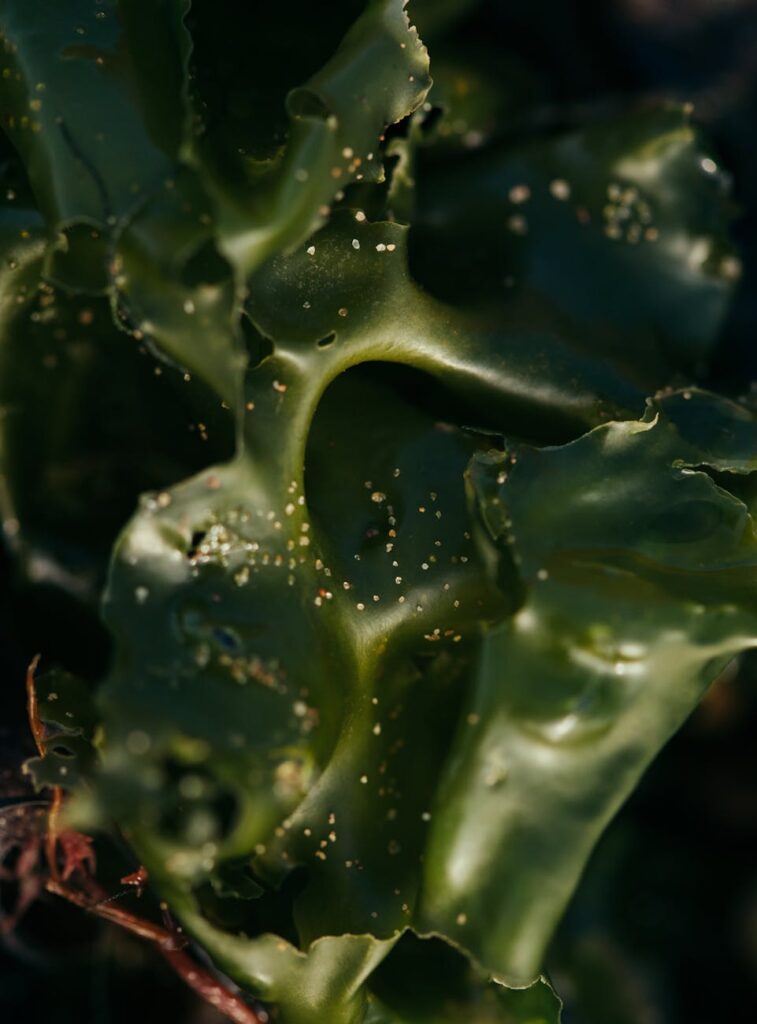
1. Green Seaweeds (Chlorophyta): This group includes varieties such as sea lettuce (Ulva lactuca) and is characterized by its vibrant green color.
2. Brown Seaweeds (Phaeophyta): Common examples include kombu (Laminaria) and wakame (Undaria pinnatifida). This group is often noted for its rich umami flavor and is widely used in various culinary dishes.
3. Red Seaweeds (Rhodophyta): Varieties such as nori (Porphyra) and dulse (Palmaria palmata) belong to this category. Red seaweeds are often used in sushi and as snacks due to their unique flavors and textures.
These seaweeds can be found along coastlines worldwide, thriving in intertidal zones and deeper waters, where they contribute to marine biodiversity.
Key Benefits and Properties
Nutritional Profile
Native edible seaweeds are renowned for their rich nutritional content. They are generally low in calories and high in vitamins and minerals, including:
- Vitamins: Seaweeds are a source of vitamins A, C, E, K, and several B vitamins.
- Minerals: They provide essential minerals such as iodine, calcium, magnesium, and iron.
- Fiber: Seaweeds are high in dietary fiber, which can support digestive health.
- Antioxidants: Many seaweeds contain antioxidants that help combat oxidative stress.
- Stabilize coastal environments: Their root-like structures anchor them to the substrate, reducing coastal erosion.
- Support biodiversity: Seaweeds provide habitat and food for various marine organisms, contributing to the overall health of marine environments.
- Carbon sequestration: Seaweeds absorb carbon dioxide, helping mitigate climate change.
- Fresh: Some seaweeds are consumed raw in salads or as garnishes.
- Dried: Dried seaweeds are often rehydrated and used in soups, stews, or as seasoning.
- Powdered: Seaweed powder is increasingly popular as a seasoning or ingredient in health foods and snacks.
- Medicinal remedies: While not a substitute for medical treatment, some cultures have employed seaweeds in traditional remedies for various ailments.
- Culinary traditions: Seaweeds feature prominently in traditional dishes, reflecting the unique flavors and textures they offer.
Environmental Benefits
From an ecological perspective, seaweeds play a vital role in marine ecosystems. They help:
Common Uses
Culinary Applications
Native edible seaweeds are versatile in the kitchen. They can be used in various forms:
Traditional Uses
Many indigenous cultures have historically utilized native edible seaweeds for more than just nutrition. They have been used in:
Aromatherapy Applications
While seaweeds are not typically associated with aromatherapy in the same way that essential oils are, they can still play a role in holistic practices.
Seaweed Baths
Soaking in seaweed-infused baths is a common practice in some cultures, believed to provide relaxation and skin benefits. The minerals and nutrients in seaweeds can be absorbed through the skin, offering a revitalizing experience.
Aromatherapy Blends
Some practitioners incorporate powdered seaweeds into essential oil blends or scrubs, leveraging their natural properties to enhance the sensory experience. For instance, combining seaweed powder with essential oils can create a nourishing body scrub that exfoliates while providing a soothing aroma.
Safety Considerations
While native edible seaweeds are generally safe to consume, there are a few important considerations:
Iodine Content
Seaweeds are naturally high in iodine, which can be beneficial for thyroid function. However, excessive iodine intake may lead to thyroid issues. It is advisable to consume seaweed in moderation, particularly for individuals with thyroid conditions.
Allergies and Sensitivities
Some individuals may experience allergic reactions or sensitivities to certain seaweed species. It is recommended to conduct a small patch test if trying a new type of seaweed for the first time.
Contamination Risks
Seaweeds can absorb heavy metals and other pollutants from their environment. It is crucial to source seaweeds from reputable suppliers who test for contaminants to ensure safety.
Storage and Shelf Life
Fresh Seaweeds
Fresh seaweeds should be stored in a cool, moist environment, such as the refrigerator, and consumed within a few days for optimal freshness and flavor.
Dried Seaweeds
Dried seaweeds have a much longer shelf life and can be stored in a cool, dry place in an airtight container. When stored properly, they can last for several months to a year without significant loss of flavor or nutritional quality.
Rehydration
For dried seaweeds, rehydration is essential before consumption. Typically, soaking in water for 10 to 20 minutes is sufficient, depending on the type of seaweed.
Frequently Asked Questions
1. Are all seaweeds edible?
While many seaweeds are edible, not all are safe for consumption. It is essential to identify the species before consuming any wild seaweed.
2. How do I cook with seaweed?
Cooking with seaweed can be simple. Dried seaweeds can be rehydrated and added to soups, salads, or stir-fries. Fresh seaweeds can be used raw or lightly steamed.
3. Can I forage for seaweed?
Foraging for seaweed can be enjoyable, but it is vital to understand local regulations and ensure that you are foraging responsibly. Always avoid areas with potential contamination.
4. How can I incorporate seaweed into my diet?
Seaweed can be easily incorporated into your diet by adding it to soups, salads, sushi, or as a seasoning for various dishes.
5. Are there vegan or vegetarian seaweed options?
Yes, all edible seaweeds are plant-based and suitable for vegan and vegetarian diets.
Conclusion
Native edible seaweeds are a fascinating and nutritious component of marine ecosystems. Their culinary versatility, rich nutritional profile, and ecological importance make them valuable additions to diets and sustainable practices. Understanding their properties, uses, and safety considerations can help individuals appreciate these remarkable marine plants and incorporate them into both traditional and modern culinary applications.