
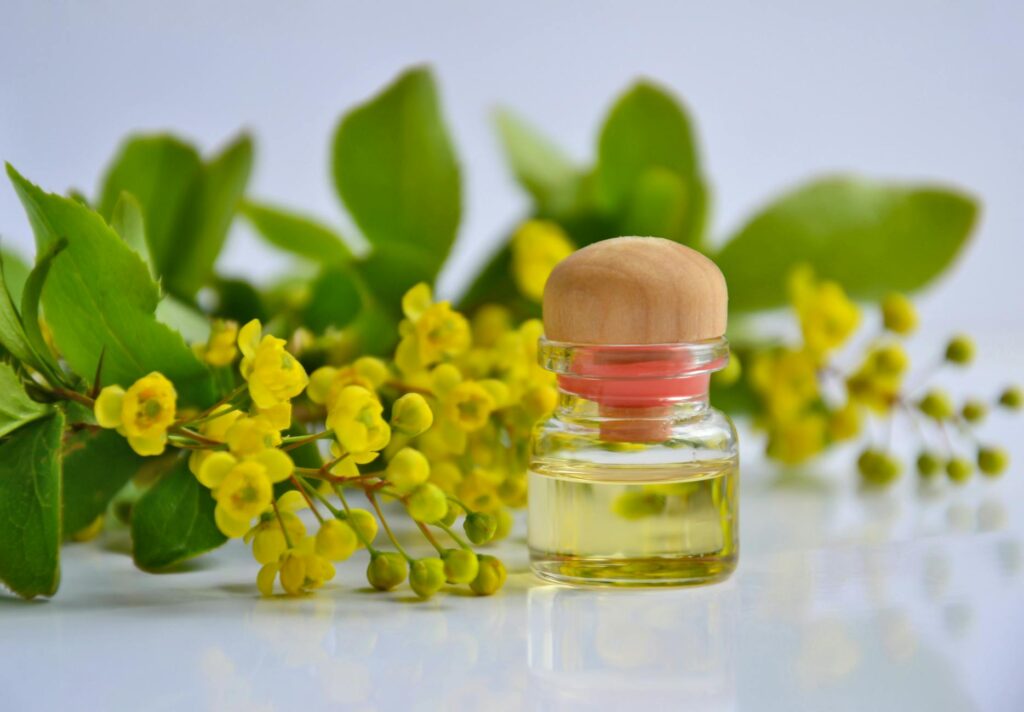
Complete Guide to Native Medicinal Herbs
Introduction
Native medicinal herbs have been utilized for centuries across various cultures for their healing properties and therapeutic benefits. These plants, which thrive in specific geographical areas, are deeply intertwined with the traditions, folklore, and health practices of indigenous peoples. This guide aims to provide an overview of native medicinal herbs, their benefits, common applications, and important considerations for safe and effective use.
What Are Native Medicinal Herbs?
Native medicinal herbs are plants that are indigenous to a specific region and have been used traditionally for medicinal purposes. Unlike cultivated herbs, which may be grown in various environments, native herbs are adapted to their local conditions, making them resilient and often more potent in their therapeutic properties. Each region has its unique array of native herbs, which are often a reflection of the local climate, soil conditions, and cultural practices.
Examples of native medicinal herbs include:
- Echinacea (Echinacea purpurea): Commonly found in North America, it is often used to boost the immune system.
- Willow Bark (Salix spp.): Native to many regions, it has been used for pain relief.
- Yarrow (Achillea millefolium): Found in temperate regions worldwide, it is known for its wound-healing properties.
- Teas and Infusions: Boiling the leaves or flowers in water extracts beneficial compounds for consumption. For example, Chamomile (Matricaria chamomilla) is often brewed as a calming tea.
- Tinctures: Alcohol or vinegar extracts of herbs that concentrate their active ingredients. Tinctures are popular for their ease of use and long shelf life.
- Salves and Ointments: Herbal preparations mixed with oils or fats to create topical applications. Calendula (Calendula officinalis) is commonly used in salves for its skin-healing properties.
- Essential Oils: Concentrated extracts obtained through steam distillation, retaining the aromatic properties of the plant. Lavender (Lavandula angustifolia) essential oil is widely used for its calming effects.
- Consultation: Always consult a healthcare professional or qualified herbalist before using herbs, especially if you are pregnant, nursing, or taking medications.
- Dosage: Adhere to recommended dosages, as excessive use can lead to adverse effects.
- Allergic Reactions: Be aware of potential allergies. Conduct a patch test for topical applications and start with small doses for internal consumption.
- Quality of Products: Ensure you source herbs and essential oils from reputable suppliers to avoid contamination or adulteration.
- Interactions: Some herbs may interact with medications, so it is crucial to disclose all herbal use to your healthcare provider.
Key Benefits and Properties
The benefits of native medicinal herbs can be attributed to their rich composition of bioactive compounds, including alkaloids, flavonoids, terpenoids, and essential oils. These compounds contribute to various therapeutic effects, such as:
1. Anti-inflammatory: Many native herbs possess anti-inflammatory properties, helping to alleviate conditions like arthritis or skin irritations.
2. Antioxidant: Herbs like Echinacea and Yarrow contain antioxidants that combat oxidative stress, supporting overall health.
3. Antimicrobial: Certain native herbs have antimicrobial properties that can help fight bacteria and fungi, making them useful in treating infections.
4. Digestive Support: Many native herbs, such as Peppermint (Mentha piperita), are known to aid digestion and soothe gastrointestinal discomfort.
5. Mood Enhancement: Some native herbs, like St. John’s Wort (Hypericum perforatum), are used for their potential mood-lifting properties.
Common Uses
Native medicinal herbs can be used in various forms, each suited to different applications. Common uses include:
Aromatherapy Applications
Aromatherapy is the practice of using essential oils from native medicinal herbs to enhance physical and emotional well-being. Here are some popular applications:
1. Stress Relief: Essential oils like Lavender and Bergamot (Citrus bergamia) can be diffused in the air to promote relaxation and reduce anxiety.
2. Sleep Aid: Oils such as Chamomile and Cedarwood (Cedrus atlantica) can be used in diffusers or added to baths to facilitate restful sleep.
3. Mood Enhancement: Citrus oils, like Sweet Orange (Citrus sinensis), can uplift mood and energize the mind.
4. Respiratory Support: Eucalyptus (Eucalyptus globulus) and Peppermint essential oils can be inhaled or used in steam inhalation to relieve respiratory congestion.
5. Pain Relief: Oils like Peppermint and Wintergreen (Gaultheria procumbens) can be diluted and applied topically for muscle and joint pain relief.
Safety Considerations
While native medicinal herbs offer numerous benefits, it is essential to approach their use with caution. Here are some important safety considerations:
Storage and Shelf Life
Proper storage of native medicinal herbs is crucial to maintain their efficacy and safety. Here are some guidelines:
1. Dried Herbs: Store in airtight containers in a cool, dark place to prevent moisture and light exposure, which can degrade their potency. Most dried herbs have a shelf life of 1 to 3 years, depending on the herb.
2. Tinctures: Keep tinctures in dark glass bottles away from sunlight and at room temperature. They typically have a long shelf life of 3 to 5 years.
3. Essential Oils: Store essential oils in dark glass bottles and keep them tightly sealed. They should be kept in a cool, dark place and can last from 1 to 5 years, depending on the oil.
4. Salves and Ointments: Keep these in a cool area, and check for any changes in smell or texture, which may indicate spoilage. They generally last 1 to 2 years.
Frequently Asked Questions
1. Are all native medicinal herbs safe to use?
Not all native herbs are safe for everyone. Some may cause allergic reactions or interact with medications. It is essential to consult with a healthcare professional before using them.
2. Can I grow native medicinal herbs at home?
Yes, many native medicinal herbs can be cultivated at home, provided you understand their specific growing requirements. Research local growing conditions to ensure successful cultivation.
3. How can I tell if an herb is native to my region?
You can consult local botanical gardens, extension services, or herb societies to identify native herbs in your area.
4. What is the best way to prepare native herbs for use?
The preparation method depends on the herb and intended use. Common methods include teas, tinctures, and topical applications. Always follow recommended guidelines for each preparation type.
5. Are there any precautions I should take when using essential oils?
Yes, always dilute essential oils before topical application, avoid contact with sensitive areas, and conduct patch tests for allergies. Pregnant women and individuals with specific health conditions should consult a healthcare provider before use.
Conclusion
Native medicinal herbs are a treasure trove of natural remedies, rich in history and cultural significance. By understanding their benefits, uses, and safety considerations, individuals can harness the power of these plants to enhance their well-being. Whether through teas, tinctures, or aromatherapy, the wisdom of native herbs offers a path to holistic health rooted in tradition and nature.