
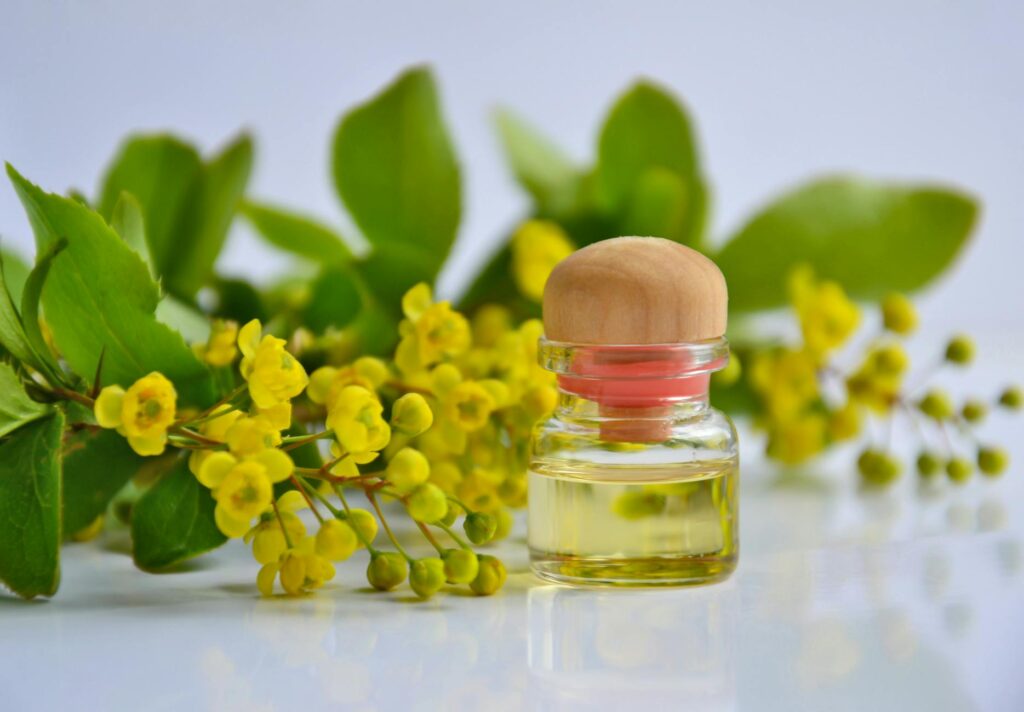
Complete Guide to Native Medicinal Vines
Introduction
Native medicinal vines have been an integral part of various cultures for centuries, utilized for their therapeutic properties and holistic benefits. These plants, often found in diverse ecosystems across the globe, are not only admired for their beauty but also revered for their potential health applications. This article aims to provide an in-depth understanding of native medicinal vines, delving into their benefits, common uses, and applications in aromatherapy.
What Is Native Medicinal Vines?
Native medicinal vines are climbing or sprawling plant species that grow naturally in specific regions and have been traditionally used for their medicinal properties. These vines can be part of the broader family of flowering plants and are often characterized by their woody stems, lush foliage, and ability to climb on other structures or plants. Examples of such vines include Passiflora (Passionflower), Cissus (Grapevine), and Humulus lupulus (Hops), among others.
The term “native” refers to plants that are indigenous to a particular area and have adapted to the local environment over time. This adaptation often enhances their medicinal efficacy and resilience, making them valuable resources for traditional healing practices.
Key Benefits and Properties
Native medicinal vines are known for their diverse phytochemical compositions, which contribute to their various health benefits. Some of the key properties include:
1. Anti-inflammatory: Many native vines possess compounds that can reduce inflammation, making them useful in managing various conditions associated with inflammation.
2. Antioxidant: These plants often contain high levels of antioxidants that combat oxidative stress, helping to protect the body from cellular damage.
3. Sedative Effects: Certain species are known for their calming properties, which may assist in alleviating anxiety and promoting restful sleep.
4. Digestive Aid: Some medicinal vines can help with digestive issues, promoting gut health and easing discomfort.
5. Skin Health: Extracts from these vines may be beneficial for various skin conditions, offering soothing and healing properties.
Common Uses
Native medicinal vines have been used in various forms, including teas, tinctures, and topical applications. Here are some common uses:
- Teas and Infusions: Leaves or flowers are often steeped in hot water to create calming herbal teas. Passionflower, for instance, is frequently consumed in tea form for its soothing effects.
- Tinctures: Alcohol-based extracts of the vines are made to concentrate their beneficial compounds, allowing for more potent uses. These tinctures can be taken in small doses for various health benefits.
- Topical Applications: Extracts from certain vines can be mixed with carrier oils or creams for direct application on the skin, addressing issues such as irritation or minor wounds.
- Aromatherapy Blends: Essential oils derived from the leaves or flowers of some native vines can be incorporated into aromatherapy blends for their uplifting or calming effects.
- Passionflower (Passiflora incarnata): Known for its sweet, floral aroma, passionflower essential oil is often used in diffusers to create a calming atmosphere. It is believed to help alleviate anxiety and promote relaxation.
- Hops (Humulus lupulus): This vine is widely recognized for its role in brewing beer, but its essential oil is also used in aromatherapy for its sedative properties. The earthy scent can help promote restful sleep when diffused in the evening.
- Grapevine (Cissus quadrangularis): The leaves of this vine can be used to create a soothing oil blend, which is often applied during massages to relieve tension.
- Consultation: Before incorporating any new herbal remedy into your routine, it is advisable to consult with a qualified healthcare professional, especially if you have pre-existing conditions or are pregnant or nursing.
- Allergic Reactions: Conduct a patch test before applying any topical preparations to ensure no allergic reactions occur.
- Dosage: When using tinctures or teas, adhere to recommended dosages to avoid potential adverse effects.
- Interactions: Be aware of potential interactions with medications. Some compounds in native vines may affect the efficacy of prescribed drugs.
- Quality of Products: Choose high-quality products from reputable sources to ensure purity and potency.
- Cool, Dark Place: Store dried herbs, tinctures, and essential oils in a cool, dark place to prevent degradation from light and heat.
- Airtight Containers: Use airtight containers to protect against moisture and air exposure, which can lead to spoilage.
- Labeling: Clearly label containers with the contents and date of preparation to keep track of shelf life.
- Shelf Life: Dried herbs can last up to one year, while tinctures may last several years if stored properly. Essential oils should generally be used within one to three years, but this can vary by specific oil.
Aromatherapy Applications
Aromatherapy utilizes the aromatic properties of plants to promote wellness and enhance emotional well-being. Native medicinal vines offer unique scents and properties that can be harnessed in this practice. Some examples include:
When using essential oils from native medicinal vines, it is important to consider their specific properties and effects, ensuring they align with the desired outcomes of the aromatherapy session.
Safety Considerations
While native medicinal vines can offer numerous benefits, it is essential to approach their use with caution. Here are some safety considerations:
Storage and Shelf Life
Proper storage is crucial for maintaining the efficacy of native medicinal vines and their derivatives. Here are some guidelines:
Frequently Asked Questions
1. Are native medicinal vines safe for everyone?
While many people can safely use native medicinal vines, individuals with specific health conditions or those who are pregnant or nursing should consult a healthcare professional before use.
2. How do I prepare a tea from native medicinal vines?
To prepare a tea, steep 1-2 teaspoons of dried leaves or flowers in hot water for 5-10 minutes. Strain and enjoy. Always follow specific guidelines for each plant.
3. Can I use essential oils from native vines directly on my skin?
It is advisable to dilute essential oils with a carrier oil before applying them to the skin to avoid irritation.
4. How can I find native medicinal vines in my area?
Research local flora through botanical gardens, native plant societies, or herbalist communities to learn about available native medicinal vines in your region.
5. Are there any known side effects of using native medicinal vines?
While many people use these plants without issue, potential side effects may include allergic reactions or interactions with medications. Always consult a healthcare professional if unsure.
Conclusion
Native medicinal vines represent a rich tapestry of natural healing, offering a variety of benefits and applications. With their diverse properties and uses, these plants continue to be a valuable resource in the realm of herbal medicine and aromatherapy. As with any natural remedy, it is essential to approach their use thoughtfully and responsibly, ensuring safe and effective integration into personal wellness practices. By understanding and respecting these native plants, we can appreciate their historical significance and enhance our connection to the natural world.