
Complete Guide to Native Wildflowers
Introduction
Native wildflowers are an integral part of ecosystems, providing beauty and biodiversity to landscapes around the world. These plants not only enhance the aesthetic appeal of gardens and natural habitats but also play significant roles in supporting local wildlife, improving soil health, and contributing to environmental sustainability. This guide will explore the definition of native wildflowers, their benefits, common uses, applications in aromatherapy, safety considerations, and storage tips.
What Is Native Wildflowers?
Native wildflowers refer to flowering plants that are indigenous to a specific region or ecosystem. These species have adapted to their local environment over thousands of years, developing resilience to local climate conditions, soil types, and pests. Unlike non-native or invasive species, which can disrupt local ecosystems, native wildflowers coexist harmoniously with other local flora and fauna.
Native wildflowers can vary greatly in size, color, and growth habits, ranging from small ground covers to tall perennials. Some common examples include:
- Echinacea purpurea (Purple Coneflower)
- Rudbeckia hirta (Black-eyed Susan)
- Lobelia cardinalis (Cardinal Flower)
- Asclepias tuberosa (Butterfly Weed)
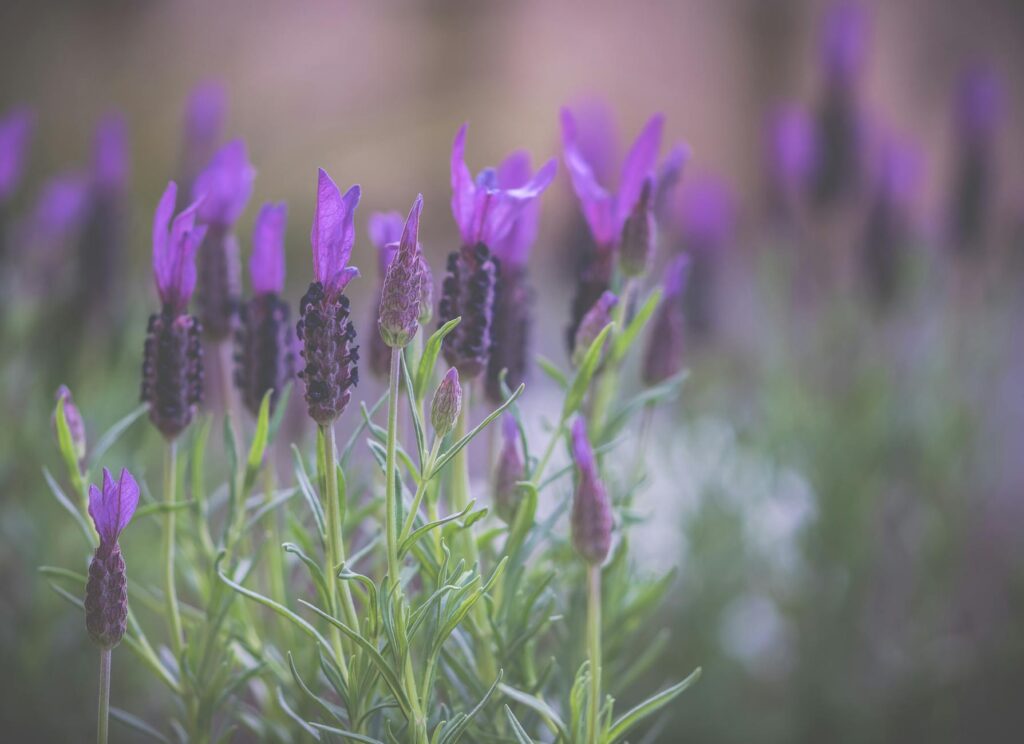
- Lavender (Lavandula angustifolia): Known for its calming properties, lavender is often used in aromatherapy to reduce stress and promote relaxation.
- Yarrow (Achillea millefolium): This wildflower has a fresh, herbaceous scent and may be utilized for its balancing effects.
- Bee Balm (Monarda didyma): With a minty aroma, bee balm can invigorate the senses and is often included in blends aimed at uplifting the mood.
- Diffusion: Essential oils derived from native wildflowers can be diffused in a room to create a calming atmosphere.
- Topical Application: When diluted with a carrier oil, these oils can be applied to the skin for localized benefits.
- Baths: Adding a few drops of essential oil to bathwater can create a relaxing spa-like experience.
- Storage Conditions: Store seeds in a cool, dry place, ideally in a sealed container. A dark environment is preferable to prevent germination or degradation.
- Shelf Life: The viability of seeds can vary, but many native wildflower seeds can remain viable for several years if stored correctly.
- Storage Conditions: Essential oils should be kept in dark glass bottles away from direct sunlight and heat sources. This helps preserve their aromatic properties and prevents oxidation.
- Shelf Life: While the shelf life of essential oils varies by species, most can last between 1 to 3 years. It’s essential to check for any changes in scent or appearance that may indicate spoilage.
By planting native wildflowers, individuals can create habitats that support pollinators, birds, and other wildlife, while also contributing to local conservation efforts.
Key Benefits and Properties
The benefits of native wildflowers extend beyond their visual appeal. Here are some key advantages:
Biodiversity Enhancement
Native wildflowers attract a variety of pollinators such as bees, butterflies, and hummingbirds, which are essential for the reproduction of many plant species. This interaction fosters a diverse ecosystem.
Soil Health Improvement
These plants often have deep root systems that help to improve soil structure and prevent erosion. Their presence can enhance nutrient cycling and increase organic matter in the soil.
Low Maintenance
Once established, native wildflowers typically require less water and fewer resources than non-native species, making them an eco-friendly choice for gardens and landscapes.
Climate Resilience
Native plants are naturally adapted to local climate conditions, making them more resilient to droughts, floods, and other environmental stresses.
Aesthetic Value
The vibrant colors and varied forms of native wildflowers add beauty to gardens and natural landscapes, providing seasonal interest as they bloom at different times throughout the year.
Common Uses
Native wildflowers have a range of uses that extend beyond ornamental gardening:
Landscaping
They are commonly used in landscaping to create naturalistic gardens, meadows, and wildflower patches. Their adaptability allows them to thrive in various settings, from residential yards to public parks.
Erosion Control
Due to their robust root systems, native wildflowers can be effectively used for erosion control on slopes, riverbanks, and other vulnerable areas.
Wildlife Habitat Creation
Planting native wildflowers helps create habitats that support local wildlife, contributing to conservation efforts and enhancing biodiversity.
Educational Purposes
Native wildflowers serve as valuable resources for educational programs focusing on botany, ecology, and environmental science. They provide hands-on learning opportunities about local ecosystems and conservation.
Aromatherapy Applications
While native wildflowers are primarily recognized for their ecological and aesthetic benefits, some species also yield essential oils and extracts that can be used in aromatherapy. These applications are based on the aromatic properties of the plants, which can enhance mental well-being and create a soothing environment.
Common Native Wildflower Essential Oils
Methods of Use
Safety Considerations
While native wildflowers can offer various benefits, it is essential to consider safety when using them, especially in aromatherapy applications.
Skin Sensitivity
Some individuals may experience allergic reactions or skin sensitivity to certain essential oils. It’s advisable to conduct a patch test before using any new product.
Proper Dilution
Essential oils should always be diluted with a carrier oil before topical application. This helps prevent skin irritation and enhances absorption.
Consultation
For pregnant or nursing individuals, or those with underlying health conditions, consulting a healthcare provider before using essential oils is recommended.
Wildlife Safety
When planting or using native wildflowers, it’s crucial to avoid using pesticides or herbicides, as these can harm local wildlife and disrupt the natural ecosystem.
Storage and Shelf Life
Proper storage of native wildflower seeds and essential oils is vital to maintaining their efficacy and quality.
For Seeds
For Essential Oils
Frequently Asked Questions
1. How do I choose the right native wildflowers for my area?
Research your local climate, soil type, and existing flora to determine which native wildflowers are best suited for your landscape. Consulting local horticultural resources or native plant societies can provide valuable guidance.
2. Can I grow native wildflowers in containers?
Yes, many native wildflowers can thrive in containers. Ensure that the potting mix mimics their natural habitat and that you provide adequate drainage.
3. Are native wildflowers invasive?
No, native wildflowers are not invasive. They are well-adapted to their local environments and coexist with other local species, promoting biodiversity.
4. How can I support pollinators in my garden?
Planting a variety of native wildflowers that bloom at different times throughout the growing season can create a continuous food source for pollinators.
5. Can native wildflowers be used in cooking?
While some native wildflowers are edible, it is crucial to research specific species to ensure they are safe for consumption. Always consult reliable sources before foraging or consuming wild plants.
Conclusion
Native wildflowers are more than just beautiful additions to landscapes; they are vital components of healthy ecosystems. By understanding their benefits, uses, and applications, individuals can appreciate and promote the value of these remarkable plants. Whether you are a gardener, an educator, or simply a nature enthusiast, embracing native wildflowers can lead to a deeper connection with the environment and contribute to biodiversity conservation.