
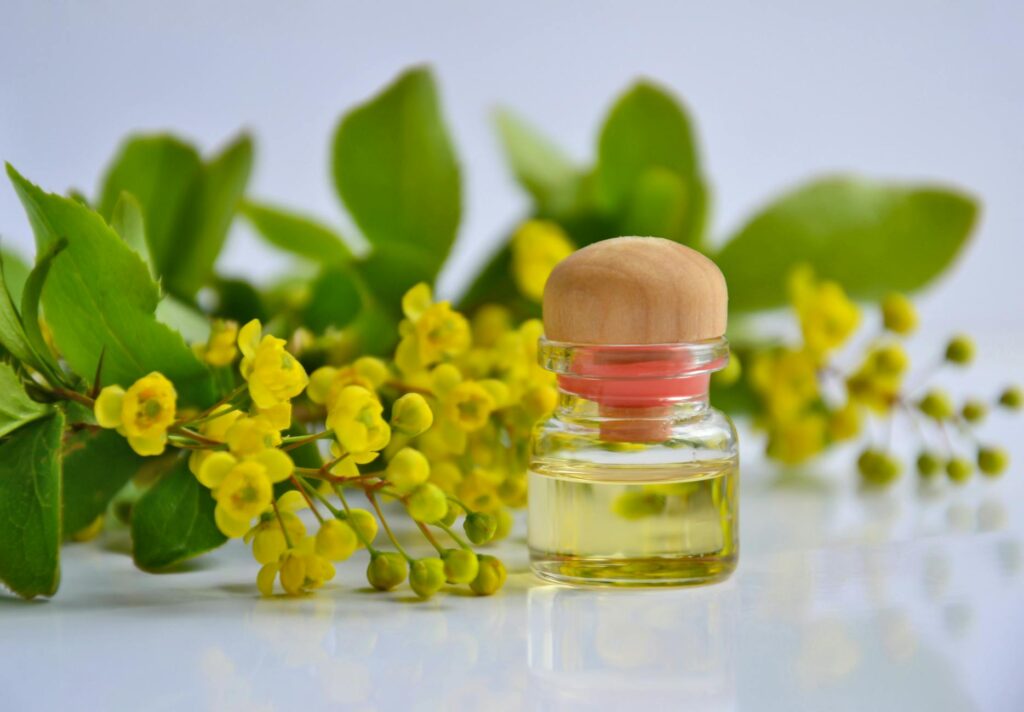
Complete Guide to Neem Oil Part 7
Introduction
Neem oil, derived from the seeds and fruits of the neem tree (Azadirachta indica), has been a cornerstone of traditional medicine and agricultural practices in various cultures, particularly in India. This multifunctional oil is celebrated for its diverse applications, ranging from skincare to pest control. This article provides a comprehensive overview of neem oil, exploring its properties, benefits, common uses, and safety considerations.
What Is Neem Oil?
Neem oil is a naturally occurring vegetable oil extracted from the seeds of the neem tree, which is native to the Indian subcontinent. The extraction process typically involves cold-pressing the seeds, resulting in a thick, yellowish-brown oil with a distinct, strong odor. Its composition includes a variety of bioactive compounds, including azadirachtin, fatty acids, and other antioxidants, which contribute to its numerous beneficial properties.
Key Benefits and Properties
Neem oil is renowned for its multifaceted benefits, which include:
1. Antimicrobial Properties: Neem oil has demonstrated effectiveness against a variety of bacteria, fungi, and viruses, making it a popular choice in natural skincare products.
2. Anti-inflammatory Effects: The oil is known to reduce inflammation, which can be beneficial for various skin conditions and irritations.
3. Insecticidal Qualities: Neem oil acts as a natural insect repellent and pesticide, disrupting the life cycle of pests and preventing infestations.
4. Moisturizing: Rich in fatty acids, neem oil helps to nourish and hydrate the skin, making it a valuable ingredient in lotions and creams.
5. Antioxidant Activity: The presence of antioxidants in neem oil helps to combat oxidative stress, which can lead to premature aging and other skin issues.
Common Uses
Neem oil is versatile and can be used in various applications, including:
1. Skincare: Commonly found in creams, lotions, and serums, neem oil is used to treat acne, eczema, and psoriasis due to its anti-inflammatory and antimicrobial properties.
2. Hair Care: Neem oil is often used in shampoos and conditioners to promote scalp health, reduce dandruff, and strengthen hair.
3. Gardening: As a natural pesticide, neem oil is employed to control pests like aphids, spider mites, and whiteflies, promoting a healthier garden without synthetic chemicals.
4. Household Cleaning: The antimicrobial properties of neem oil make it an effective ingredient in homemade cleaning solutions.
5. Pet Care: Neem oil can be used as a natural flea and tick repellent for pets, although it should be used with caution and in appropriate dilutions.
Aromatherapy Applications
In aromatherapy, neem oil is often used for its calming and purifying properties. Its strong scent can be blended with other essential oils to create a balanced aroma. Here are some common applications:
1. Massage Oil: When diluted with carrier oils, neem oil can be used in massage blends to help ease muscle tension and promote relaxation.
2. Diffusion: While neem oil is not typically diffused due to its potent scent, it can be combined with other essential oils in a diffuser to create a purifying atmosphere.
3. Bath Additive: Adding a few drops of neem oil to bath water can provide a soothing experience, promoting relaxation and skin nourishment.
4. Inhalation: Inhaling the aroma of neem oil can be incorporated into breathing exercises, potentially offering a refreshing and cleansing effect.
Safety Considerations
While neem oil is generally safe for topical use and various applications, it is important to observe certain precautions:
1. Dilution: Neem oil should always be diluted with a carrier oil before applying to the skin to prevent irritation.
2. Patch Testing: Conduct a patch test on a small area of skin to check for any allergic reactions before widespread use.
3. Consultation: If pregnant, nursing, or on medication, it is advisable to consult with a healthcare professional before using neem oil.
4. Avoid Eye Contact: Neem oil should be kept away from the eyes and mucous membranes, as it can cause irritation.
5. Children and Pets: Use caution when applying neem oil around children and pets, ensuring that it is used in appropriate concentrations.
Storage and Shelf Life
Proper storage is crucial to maintain the integrity of neem oil. Here are some guidelines:
1. Cool, Dark Place: Store neem oil in a cool, dark place, away from direct sunlight and heat, to prolong its shelf life.
2. Tightly Sealed Containers: Keep the oil in a tightly sealed container to prevent oxidation and contamination.
3. Shelf Life: When stored properly, neem oil can last up to one to two years. However, it is advisable to check for any changes in color, smell, or consistency before use.
Frequently Asked Questions
1. Can neem oil be used for all skin types?
Neem oil is generally suitable for most skin types, including oily, dry, and combination skin. However, individuals with sensitive skin should perform a patch test first.
2. Is neem oil safe for pets?
Neem oil can be safe for pets when properly diluted. However, it is essential to consult a veterinarian before using it on animals, as some pets may have sensitivities.
3. How is neem oil different from other essential oils?
Neem oil is classified as a carrier oil rather than an essential oil, primarily due to its heavier texture and extraction process. While essential oils are typically more concentrated and aromatic, neem oil is valued for its broad range of therapeutic properties.
4. Can neem oil be ingested?
Neem oil is not recommended for ingestion unless under the guidance of a qualified healthcare provider. It may be toxic when consumed in large quantities.
5. Where can I buy neem oil?
Neem oil is widely available in health food stores, specialty shops, and online retailers. When purchasing, look for cold-pressed, organic neem oil to ensure quality.
Conclusion
Neem oil is a remarkable natural product with a rich history of use in traditional medicine and agriculture. Its diverse benefits and applications make it a valuable addition to holistic health and wellness routines. Whether you are interested in skincare, gardening, or aromatherapy, understanding the characteristics and uses of neem oil can empower you to harness its potential responsibly. Always prioritize safety and consult professionals when in doubt to fully enjoy the benefits of this extraordinary oil.