
Complete Guide to Neroli Essential Oil
Introduction
Neroli essential oil, extracted from the delicate blossoms of the bitter orange tree (Citrus aurantium), has captivated the senses for centuries. Renowned for its exquisite floral aroma and therapeutic properties, this essential oil holds a significant place in aromatherapy and holistic wellness. In this comprehensive guide, we will explore the origins, benefits, uses, and safety considerations of neroli essential oil, providing a well-rounded understanding of this fragrant gem.
What Is Neroli Essential Oil?
Neroli essential oil is distilled from the blossoms of the bitter orange tree, primarily found in regions such as Morocco, Tunisia, and southern France. The process of extraction typically involves steam distillation, which captures the delicate scent and beneficial properties of the orange blossoms. The oil is pale yellow to amber in color and possesses a sweet, floral fragrance, often described as uplifting and refreshing.
This essential oil has a rich history, dating back to the 17th century when it was popularized by Princess Nerola of Italy. She used the oil to scent her gloves and bathwater, leading to its association with elegance and luxury. Today, neroli essential oil is treasured not only for its captivating scent but also for its potential benefits in emotional and physical well-being.
Key Benefits and Properties
Neroli essential oil is celebrated for its diverse range of benefits and properties. Some of the key highlights include:
1. Mood Enhancer
Neroli is known for its uplifting properties, making it an excellent choice for alleviating feelings of anxiety and stress. Its sweet and floral aroma can promote a sense of calm and relaxation.
2. Skin Care
With its antimicrobial and anti-inflammatory properties, neroli essential oil can benefit the skin. It is often used in skincare formulations to help improve skin tone, reduce the appearance of scars, and enhance overall complexion.
3. Antioxidant Properties
Neroli essential oil contains powerful antioxidants that can combat free radicals, potentially reducing signs of aging and supporting overall skin health.
4. Hormonal Balance
Some studies suggest that neroli may help in balancing hormones, making it valuable for women experiencing menstrual discomfort or menopausal symptoms.
5. Digestive Health
Neroli has traditionally been used to aid digestion and relieve gastrointestinal discomfort, although more research is needed to substantiate these claims.
Common Uses
Neroli essential oil is versatile and can be utilized in various applications, including:
1. Aromatherapy
Neroli is commonly used in diffusers and oil burners to create a calming environment, promoting relaxation and emotional balance.
2. Skincare
Incorporated into creams, serums, and lotions, neroli can enhance skin health and provide a soothing effect. It is often found in formulations targeting sensitive or mature skin.
3. Perfumes and Fragrances
Due to its sweet, floral scent, neroli is a popular ingredient in perfumes and personal care products, adding a touch of elegance and freshness.
4. Massage Oils
When diluted with a carrier oil, neroli can be used in massage blends to promote relaxation and relieve tension in the body.
5. Bath Products
Adding neroli essential oil to bath products can create a luxurious and soothing experience, enhancing relaxation during bathing rituals.
Aromatherapy Applications
In aromatherapy, neroli essential oil is often employed in various techniques to harness its benefits:
1. Diffusion
Using a diffuser, add a few drops of neroli essential oil to water. The vaporized particles will fill the room, creating a calming atmosphere perfect for meditation or winding down after a long day.
2. Inhalation
For immediate stress relief, place a drop of neroli essential oil on a tissue or cotton ball and inhale deeply. This method can provide a quick emotional boost.
3. Topical Application
When diluted with a carrier oil, neroli can be applied to pulse points (like wrists and neck) or areas of tension. This method allows the body to absorb the oil’s beneficial properties while enjoying its fragrance.
4. Bathing
Adding a few drops of neroli essential oil to warm bathwater can promote relaxation and enhance the bathing experience. It is recommended to mix the oil with a carrier such as Epsom salt to ensure even distribution in the water.
Safety Considerations
While neroli essential oil is generally considered safe for use, it is important to observe certain precautions:
1. Dilution
Essential oils are highly concentrated and should always be diluted with a carrier oil before topical application. A typical dilution ratio is 2-3 drops of essential oil per teaspoon of carrier oil.
2. Patch Test
Before using neroli essential oil on the skin, perform a patch test by applying a small diluted amount to a discreet area. Monitor for any adverse reactions for at least 24 hours.
3. Pregnancy and Nursing
Pregnant and nursing women should consult a healthcare professional before using neroli essential oil or any essential oils.
4. Phototoxicity
While neroli is less likely to cause phototoxic reactions compared to other citrus oils, it is still advisable to avoid direct sunlight and UV exposure after topical application.
5. Allergic Reactions
Individuals with known allergies to citrus or related plants should exercise caution and seek professional guidance before using neroli essential oil.
Storage and Shelf Life
To preserve the quality of neroli essential oil, proper storage is essential. Here are some tips:
1. Storage Conditions
Store neroli essential oil in a cool, dark place, away from direct sunlight and heat sources. A cupboard or drawer is ideal.
2. Container
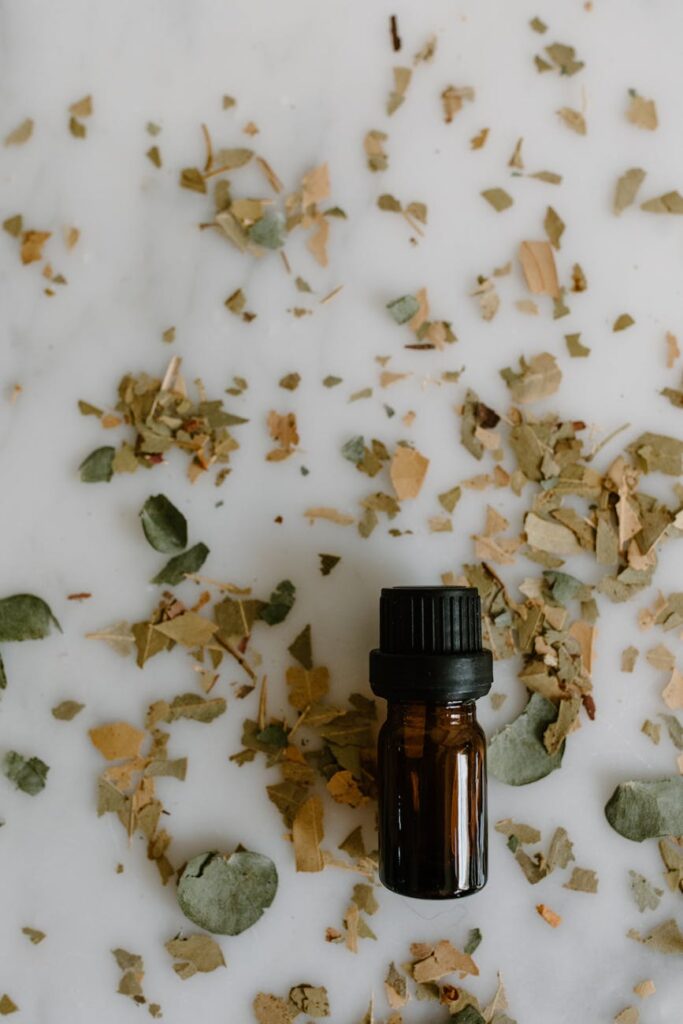
Use dark glass bottles, such as amber or cobalt blue, to protect the oil from light degradation. Ensure that the bottle is tightly sealed to prevent oxidation.
3. Shelf Life
When stored correctly, neroli essential oil has a shelf life of approximately 1-2 years. However, it is advisable to check for any changes in aroma or viscosity before use, as this may indicate the oil has degraded.
Frequently Asked Questions
1. Can neroli essential oil be ingested?
Neroli essential oil is not typically recommended for ingestion. It is primarily intended for topical and aromatic use. Always consult a healthcare professional before considering any form of internal use.
2. Is neroli essential oil safe for children?
While neroli is generally considered gentle, it is advisable to consult a healthcare professional before using essential oils on children. If deemed appropriate, ensure proper dilution and supervision.
3. What is the difference between neroli and orange essential oil?
Neroli essential oil is derived from the blossoms of the bitter orange tree, whereas orange essential oil is extracted from the fruit’s peel. They possess different aromas and properties, with neroli being more floral and sweeter.
4. Can I use neroli essential oil in homemade skincare products?
Yes, neroli essential oil can be incorporated into homemade skincare products. Ensure proper dilution and perform a patch test to check for any allergic reactions.
5. Is neroli essential oil suitable for all skin types?
Neroli is often well-tolerated and can be beneficial for various skin types, especially sensitive and mature skin. However, individual reactions can vary, so it is essential to perform a patch test prior to widespread use.
Conclusion
Neroli essential oil is a remarkable addition to the world of aromatherapy and holistic wellness. With its captivating scent and array of potential benefits, it offers a multifaceted approach to emotional and skin health. By understanding its properties, uses, and safety considerations, individuals can appreciate and harness the beauty of neroli essential oil in their daily lives. Whether used in relaxation practices, skincare routines, or simply enjoyed for its delightful fragrance, neroli remains a cherished essential oil that continues to inspire and uplift.