
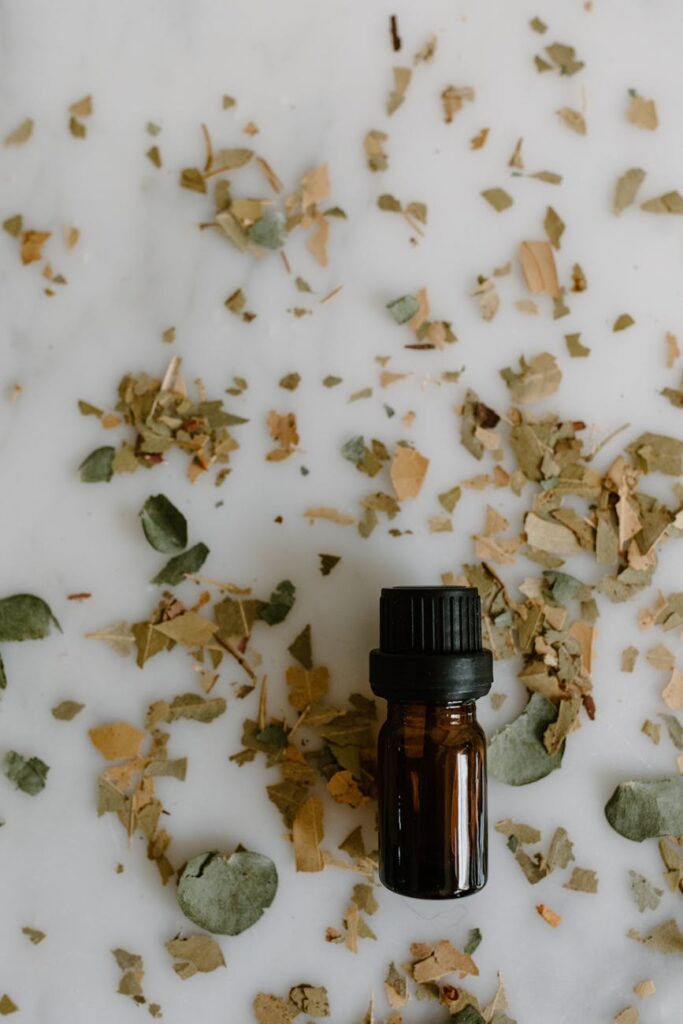
Complete Guide to Neroli Oil Part 4
Introduction
Neroli oil, derived from the flowers of the bitter orange tree (Citrus aurantium), has captured the attention of aromatherapy practitioners, perfumers, and wellness enthusiasts alike. Renowned for its rich, floral scent and numerous benefits, neroli oil is a versatile and valuable essential oil. This article serves as the fourth part of our comprehensive guide, delving deeper into its properties, uses, and safety considerations.
What Is Neroli Oil?
Neroli oil is extracted through steam distillation from the delicate blossoms of the bitter orange tree. The tree, native to Southeast Asia but now cultivated in various regions including the Mediterranean, produces small white flowers that yield a sweet, citrusy aroma. The name “neroli” is believed to have originated from Princess Anne Marie Orsini, the Duchess of Bracciano, who popularized the oil in the 17th century.
Characterized by its light, refreshing scent, neroli oil is often described as having uplifting and calming qualities. The oil is typically pale yellow to amber in color, and it contains a complex blend of chemical constituents, including linalool, limonene, and nerolidol, which contribute to its unique fragrance and therapeutic properties.
Key Benefits and Properties
Neroli oil boasts a variety of beneficial properties, making it a popular choice in both aromatherapy and skincare. Some of its key benefits include:
1. Emotional Balance
Neroli oil is often used in aromatherapy to promote emotional stability. Its calming properties may help alleviate feelings of stress, anxiety, and depression, creating a sense of tranquility.
2. Skin Care
Known for its regenerative properties, neroli oil is a common ingredient in skincare products. It is believed to help reduce the appearance of scars, stretch marks, and fine lines, promoting a more youthful complexion.
3. Antimicrobial Effects
Research has suggested that neroli oil possesses antimicrobial properties, making it potentially useful in combating various pathogens. This quality may enhance its role in skincare and personal care products.
4. Digestive Support
While not a substitute for medical treatment, neroli oil may aid in digestive issues when used appropriately in aromatherapy or topical applications.
5. Mood Enhancement
The uplifting scent of neroli oil is often employed to improve mood and enhance feelings of happiness. Its aromatic profile can help create a positive environment, making it beneficial for use during meditation or yoga practices.
Common Uses
Neroli oil can be incorporated into daily routines in various ways. Some common applications include:
1. Diffusion
Using a diffuser, neroli oil can be dispersed in the air, filling a space with its soothing aroma. This method is effective for creating a calming environment in homes, offices, or wellness studios.
2. Topical Application
Diluted with a carrier oil, neroli oil can be applied directly to the skin. It is often used in massage oils and skincare formulations for its potential benefits to skin health.
3. Bath Products
Adding a few drops of neroli oil to bath water can enhance relaxation and provide a luxurious aromatic experience.
4. Perfumes and Fragrances
Due to its captivating scent, neroli oil is a popular choice in the perfume industry. It can serve as a top note in fragrances, adding a bright and floral aspect to various compositions.
5. Household Products
Neroli oil may also be used in homemade cleaning products or air fresheners, offering both antibacterial properties and a pleasant aroma.
Aromatherapy Applications
In the realm of aromatherapy, neroli oil is highly regarded for its versatile applications. Practitioners often recommend the following methods for incorporating neroli oil into wellness routines:
1. Stress Relief
To alleviate stress, add 3-5 drops of neroli oil to a diffuser or an oil burner. Inhaling the aroma can create a soothing atmosphere conducive to relaxation.
2. Sleep Aid
For individuals struggling with sleep disturbances, consider adding a few drops of neroli oil to a cotton ball and placing it under your pillow. Alternatively, mix it with a carrier oil and massage it onto pulse points before bedtime.
3. Meditation and Yoga
Incorporating neroli oil into meditation or yoga practices can enhance the overall experience. Use it in a diffuser or apply it to the skin to promote mindfulness and relaxation.
4. Emotional Support
For emotional support, try inhaling neroli oil directly from the bottle or applying it to your wrists when feeling anxious or overwhelmed.
Safety Considerations
While neroli oil is generally considered safe for use, it is essential to adhere to certain precautions:
1. Dilution
Neroli oil should always be diluted with a carrier oil before applying it to the skin, especially for sensitive skin types. A common dilution ratio is 1-2 drops of essential oil per teaspoon of carrier oil.
2. Patch Test
Before using neroli oil topically, perform a patch test to check for any allergic reactions. Apply a small diluted amount of the oil to a discreet area and monitor for any irritation over 24 hours.
3. Pregnancy and Nursing
Pregnant or nursing individuals should consult a healthcare professional before using neroli oil. While it is generally recognized as safe, it is prudent to seek guidance during these sensitive periods.
4. Photosensitivity
Although neroli oil is less likely to cause photosensitivity compared to other citrus oils, it is advisable to avoid direct sunlight after applying it to the skin.
Storage and Shelf Life
To maintain the quality and potency of neroli oil, proper storage is crucial. Here are some guidelines:
1. Storage Conditions
Store neroli oil in a cool, dark place away from direct sunlight and heat sources. A dark glass container is preferable to protect the oil from light degradation.
2. Shelf Life
When properly stored, neroli oil typically has a shelf life of about 1 to 2 years. However, it is advisable to check for any changes in aroma or color before use, as these may indicate spoilage.
Frequently Asked Questions
1. Can neroli oil be used in cooking?
Neroli oil is not typically recommended for culinary use due to its concentrated nature. It is primarily used for aromatherapy and topical applications.
2. Is neroli oil safe for children?
While neroli oil is generally considered safe for children, it is advisable to consult a healthcare professional before use, particularly for very young children.
3. What is the difference between neroli oil and orange blossom oil?
Neroli oil is derived from the flowers of the bitter orange tree, while orange blossom oil is extracted from the flowers of the sweet orange tree (Citrus sinensis). Both oils have distinct aromas and properties.
4. Can I use neroli oil for hair care?
Neroli oil may be beneficial in hair care formulations. It can be added to shampoos or conditioners to enhance fragrance and promote scalp health, though it should be diluted appropriately.
5. Where can I purchase high-quality neroli oil?
High-quality neroli oil can be found at reputable health food stores, specialty aromatherapy shops, or online retailers that offer pure essential oils. Always look for oils that are labeled as 100% pure and organic to ensure quality.
Conclusion
Neroli oil is a remarkable essential oil with a rich history and a wide range of benefits. From its emotional balancing properties to its potential in skincare, this oil continues to be a favored choice in both aromatherapy and holistic wellness practices. By understanding its uses, safety considerations, and proper storage methods, individuals can fully appreciate and integrate neroli oil into their daily routines, enriching their lives with its delightful aroma and therapeutic properties.