
Complete Guide to Neroli Oil Part 5
Introduction
Neroli oil, derived from the delicate blossoms of the bitter orange tree (Citrus aurantium), has gained considerable popularity in the realms of aromatherapy and holistic wellness. Known for its sweet, floral scent and a multitude of beneficial properties, this essential oil has been treasured for centuries. This guide aims to provide a comprehensive overview of neroli oil, addressing its origins, benefits, uses, and safety considerations.
What Is Neroli Oil?
Neroli oil is extracted from the flowers of the bitter orange tree, which is native to Southeast Asia but is now cultivated in various regions around the world, including the Mediterranean, particularly in countries like Italy and Tunisia. The oil is obtained through steam distillation of the freshly picked blossoms, which require a significant amount of flowers to produce a small quantity of oil—approximately 1,000 pounds of flowers yield just 1 pound of neroli oil.
The resulting oil is light yellow to golden in color, with a complex fragrance profile that combines sweet, floral notes with a hint of citrus. This unique aroma makes neroli oil a favored ingredient in perfumes, cosmetics, and aromatherapy formulations.
Key Benefits and Properties
Neroli oil boasts a range of benefits that have made it a staple in both traditional and modern practices. Some of its key properties include:
1. Calming and Relaxing
Neroli oil is known for its calming effects on the mind and body. It is often used to alleviate stress and anxiety, promoting a sense of tranquility and emotional balance.
2. Antimicrobial Properties
Research suggests that neroli oil possesses antimicrobial and antiseptic qualities, making it beneficial for skin care. It may help inhibit the growth of certain bacteria and fungi.
3. Skin Health
Neroli oil is reputed for its ability to regenerate skin cells, improving the appearance of scars, stretch marks, and fine lines. It is often included in formulations for mature or sensitive skin.
4. Mood Enhancer
The uplifting aroma of neroli is believed to boost mood and alleviate feelings of sadness. Its sweet scent is often utilized in aromatherapy to create a positive atmosphere.
5. Hormonal Balance
Some advocates of aromatherapy suggest that neroli oil may help balance hormones, making it a popular choice during times of hormonal fluctuations, such as menstruation or menopause.
Common Uses
Neroli oil is versatile and has various applications across different domains:
1. Skincare
Due to its regenerative properties, neroli oil is frequently found in lotions, creams, and serums. It is suitable for all skin types but is particularly beneficial for dry or mature skin.
2. Perfume
The sweet, floral aroma of neroli makes it a popular ingredient in fine fragrances. It can be used alone or blended with other essential oils to create unique scent profiles.
3. Massage
When diluted with a carrier oil, neroli oil is often used in massage therapy to promote relaxation and relieve tension.
4. Household Products
Neroli oil can be incorporated into cleaning products and air fresheners, providing a fresh scent while also harnessing its antimicrobial properties.
5. Bath Products
Neroli oil is commonly added to bath oils and salts, enhancing the bathing experience with its soothing aroma.
Aromatherapy Applications
In aromatherapy, neroli oil is valued for its psychological and emotional benefits. Here are several applications:
1. Diffusion
Neroli oil can be diffused in a room using an essential oil diffuser. The diffusion of its aroma can create a calming environment, ideal for relaxation or meditation.
2. Topical Application
Diluting neroli oil with a carrier oil (such as jojoba or sweet almond oil) allows for safe topical application. This method can help enhance skin health while providing aromatherapy benefits.
3. Inhalation
Simply inhaling the scent of neroli oil from the bottle or a cotton ball can help uplift mood and alleviate stress.
4. Bathing Rituals
Adding a few drops of neroli oil to a warm bath can create a luxurious and soothing experience, promoting relaxation and comfort.
Safety Considerations
While neroli oil is generally considered safe for use, there are a few important safety considerations to keep in mind:
1. Dilution
Always dilute neroli oil with a carrier oil before applying it to the skin to minimize the risk of irritation.
2. Patch Test
Perform a patch test prior to widespread use to check for any allergic reactions. Apply a small diluted amount to a small area of skin and monitor for any adverse effects.
3. Pregnancy and Nursing
Consult with a healthcare professional before using neroli oil during pregnancy or while nursing, as individual reactions can vary.
4. Photosensitivity
Although neroli oil has lower phototoxicity compared to some other citrus oils, it is still advisable to avoid direct sunlight on areas where the oil has been applied.
5. Children
Keep essential oils out of reach of children and consult a healthcare professional before using them on young children or infants.
Storage and Shelf Life
To maintain the quality and efficacy of neroli oil, proper storage is essential:
1. Container
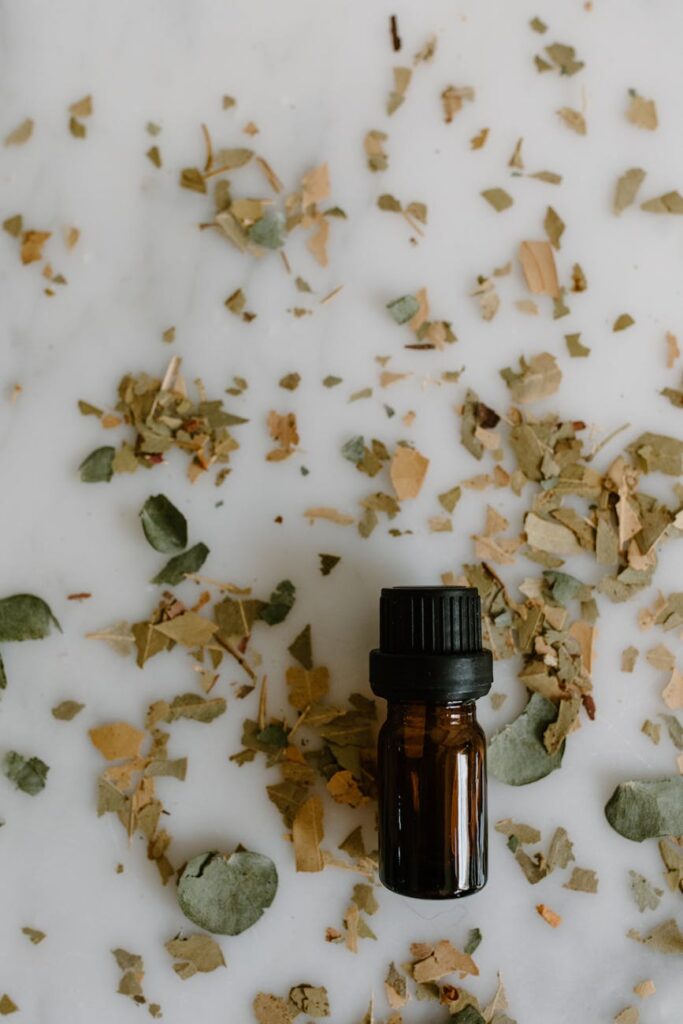
Store neroli oil in a dark glass bottle to protect it from light and oxidation. Avoid clear plastic containers, as they can degrade the oil’s quality.
2. Temperature
Keep the oil in a cool, dry place, away from heat sources and direct sunlight. High temperatures can alter the chemical composition of the oil.
3. Shelf Life
When stored properly, neroli oil typically has a shelf life of 2 to 3 years. Always check for any changes in aroma, color, or consistency before use.
Frequently Asked Questions
1. Can neroli oil be used in cooking?
Neroli oil is not commonly used in cooking due to its potency and the potential for irritation. It is primarily used for topical and aromatic applications.
2. Is neroli oil safe for sensitive skin?
Neroli oil is often considered safe for sensitive skin; however, it should always be diluted before application. Conduct a patch test to ensure there are no adverse reactions.
3. Where can I buy high-quality neroli oil?
Look for reputable suppliers who provide essential oils with third-party testing for purity. Organic and certified oils are often more reliable.
4. Can neroli oil help with insomnia?
While many individuals find that the calming effects of neroli oil can promote relaxation, results may vary. It is best used as part of a broader relaxation routine.
5. How is neroli oil different from orange essential oil?
Neroli oil is derived from the blossoms of the bitter orange tree, while orange essential oil is extracted from the fruit’s peel. They have distinct aromas and properties.
Conclusion
Neroli oil is a remarkable essential oil with a rich history and a myriad of benefits. Its calming, uplifting fragrance and skin-enhancing properties make it a popular choice in aromatherapy and holistic wellness. Understanding its uses, safety considerations, and storage will help you fully appreciate this exquisite oil. Whether you are new to the world of essential oils or a seasoned practitioner, incorporating neroli oil into your routine can enhance your overall well-being and provide a touch of floral luxury to your life.