
Complete Guide to Neroli Oil Part 7
Introduction
Neroli oil, derived from the blossoms of the bitter orange tree (Citrus aurantium), has been cherished for centuries due to its enchanting fragrance and therapeutic properties. This guide aims to provide a comprehensive overview of neroli oil, exploring its origins, benefits, applications, and safety considerations. Whether you are a seasoned aromatherapy enthusiast or a curious newcomer, this guide serves as a valuable resource for understanding this exquisite essential oil.
What Is Neroli Oil?
Neroli oil is extracted through steam distillation from the delicate white flowers of the bitter orange tree. The name “neroli” is attributed to Anna Maria de Nerola, an Italian princess who popularized the oil in the 17th century. Known for its sweet, floral scent with hints of citrus, neroli oil is revered in both perfumery and aromatherapy.
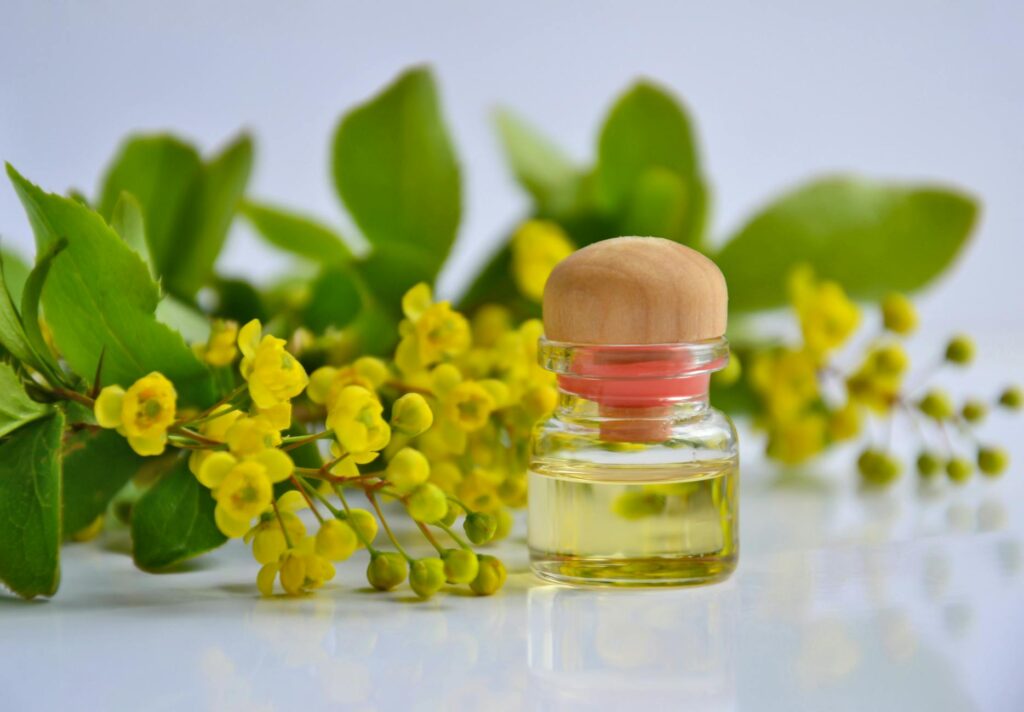
The oil is pale yellow to golden in color and possesses a complex aroma profile that can evoke feelings of calmness and happiness. It is often blended with other essential oils, enhancing its versatility and appeal in various applications.
Key Benefits and Properties
Neroli oil is celebrated for its numerous benefits, which can be attributed to its unique chemical composition. Some of the key properties include:
- Antidepressant: Neroli oil is often recognized for its mood-enhancing qualities. Its ability to uplift spirits and reduce feelings of anxiety makes it a favored choice among aromatherapists.
- Antiseptic: The oil contains compounds that may help protect against infection, making it beneficial for skin care applications.
- Anti-inflammatory: Neroli oil can help to reduce inflammation, which can be beneficial for various skin conditions.
- Relaxant: The calming properties of neroli oil are widely acknowledged. It can help alleviate stress and promote relaxation, making it a common choice for stress relief applications.
- Aphrodisiac: Historically, neroli oil has been associated with enhancing romantic feelings, as its aroma can evoke sensuality and intimacy.
- Skin Care: Due to its antiseptic and anti-inflammatory properties, neroli oil is frequently incorporated into beauty products. It may help with conditions such as acne, eczema, and scarring, promoting a healthy complexion.
- Perfume: Its sweet, floral fragrance makes neroli oil a popular ingredient in high-end perfumes, contributing to both scent and emotional well-being.
- Massage: When diluted with a carrier oil, neroli oil can be used in massage therapy to enhance relaxation and relieve tension.
- Home Fragrance: Neroli oil can be used in diffusers or as an ingredient in candles and room sprays to create a calming atmosphere.
- Bath Products: Adding neroli oil to bath products can enhance relaxation and provide a luxurious scent experience.
- Diffusion: Using an essential oil diffuser, you can disperse neroli oil into the air, creating a soothing environment. This method is useful for promoting relaxation during meditation or yoga practices.
- Inhalation: Inhale neroli oil directly from the bottle or add a few drops to a tissue or cotton ball and breathe deeply. This can help alleviate feelings of stress and anxiety.
- Topical Application: Always dilute neroli oil with a carrier oil (like jojoba or sweet almond oil) before applying it to the skin. This method allows for a gentle yet effective way to enjoy its benefits, particularly for skin care.
- Bathing: Adding several drops of neroli oil to a warm bath can create a tranquil atmosphere, enhancing the overall bathing experience.
- Dilution: Always dilute neroli oil with a carrier oil before topical application to reduce the risk of skin irritation.
- Patch Test: Conduct a patch test before using neroli oil on larger areas of the skin. Apply a diluted drop to a small area and observe for any adverse reactions over 24 hours.
- Pregnancy and Breastfeeding: Pregnant or breastfeeding women should consult a qualified professional before using neroli oil, as there is insufficient research on its safety during these periods.
- Allergies: Individuals with citrus allergies should exercise caution and consult a healthcare professional before using neroli oil.
- Photosensitivity: Although neroli oil is less likely to cause photosensitivity compared to other citrus oils, it is still advisable to avoid sun exposure on areas where the oil has been applied.
- Storage Conditions: Keep neroli oil in a cool, dark place away from direct sunlight. Exposure to heat and light can degrade the oil’s quality.
- Container: Store neroli oil in a dark glass bottle to protect it from light. Amber or cobalt blue glass bottles are ideal choices.
- Shelf Life: When stored correctly, neroli oil typically has a shelf life of 1 to 2 years. It is advisable to check for any changes in scent, color, or viscosity before use, as these can indicate that the oil has gone rancid.
Common Uses
Neroli oil’s diverse applications make it a staple in both personal care and wellness practices. Here are some common uses:
Aromatherapy Applications
In aromatherapy, neroli oil is typically used to promote emotional balance and mental clarity. Here are several ways to incorporate neroli oil into your aromatherapy practices:
Safety Considerations
While neroli oil is generally considered safe for most individuals, certain precautions should be observed:
Storage and Shelf Life
To ensure the longevity and efficacy of neroli oil, proper storage is essential:
Frequently Asked Questions
1. What is the difference between neroli oil and orange blossom oil?
While both oils are derived from the same tree, neroli oil is extracted from the flowers, while orange blossom oil is typically made from the flowers and may include other parts of the tree. Neroli oil has a more complex and sophisticated scent profile compared to orange blossom oil.
2. Can neroli oil be used for cooking?
Neroli oil is primarily used for aromatherapy and personal care. It is not recommended for culinary purposes, as essential oils can be highly concentrated and may not be safe for ingestion without guidance from a qualified professional.
3. Is neroli oil safe for children?
Caution should be exercised when using essential oils around children. While neroli oil is generally considered gentle, it is advisable to consult with a healthcare professional before use, especially for young children or infants.
4. How can I tell if my neroli oil is pure?
To ensure the quality of neroli oil, purchase from reputable suppliers who provide testing and quality assurance. Look for oils labeled as 100% pure and free from additives or synthetic compounds.
5. Can neroli oil help with sleep?
Neroli oil’s relaxing properties can contribute to a calming nighttime routine. Diffusing the oil or adding it to a warm bath before bedtime may help create a soothing environment conducive to sleep.
Conclusion
Neroli oil is a versatile and aromatic essential oil that offers a myriad of benefits, from enhancing emotional well-being to promoting healthy skin. With its rich history and delightful fragrance, neroli oil continues to be celebrated in both aromatherapy and personal care. By understanding its properties, applications, and safety considerations, individuals can fully appreciate the potential of this exquisite oil in their daily lives.