
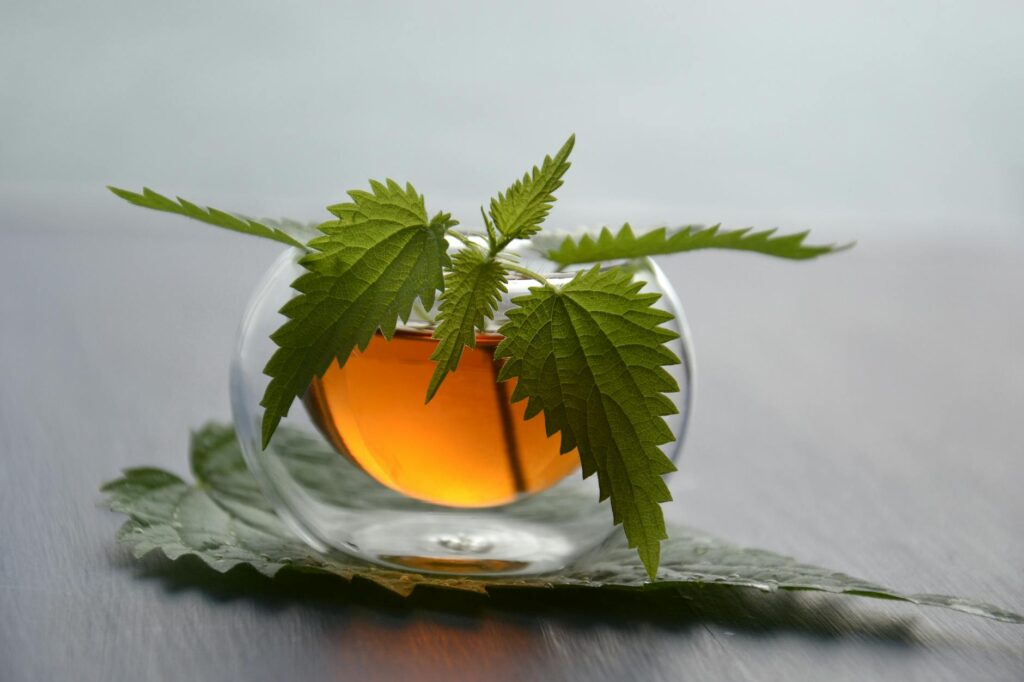
Complete Guide to Nettle Leaf Extract
Introduction
Nettle leaf extract, derived from the common stinging nettle (Urtica dioica), has been utilized for centuries in various cultures for its diverse properties and benefits. This botanical extract is celebrated not only for its nutritional value but also for its therapeutic potential. As interest in natural remedies continues to grow, understanding the full range of nettle leaf extract’s uses and benefits becomes increasingly relevant for those who seek holistic lifestyle choices.
What Is Nettle Leaf Extract?
Nettle leaf extract is obtained from the leaves of the stinging nettle plant, which is native to Europe, Asia, and North America. The plant is characterized by its serrated, heart-shaped leaves that are covered in tiny, stinging hairs. When touched, these hairs release a mixture of chemicals that can cause a stinging sensation, hence the name.
The leaves are harvested either fresh or dried, and they can be extracted using various methods, including water infusion, alcohol extraction, and oil infusion. The resulting extract retains many of the plant’s beneficial compounds, including vitamins, minerals, and antioxidants.
Key Benefits and Properties
Nettle leaf extract is renowned for its rich nutritional profile, which includes vitamins A, C, K, and several B vitamins, along with essential minerals such as iron, calcium, magnesium, and potassium. Here are some of its key benefits:
1. Nutritional Support
Nettle leaf extract is a rich source of vitamins and minerals, making it a beneficial addition to a balanced diet. Its high iron content may support overall wellness, especially for individuals who may be at risk of iron deficiency.
2. Antioxidant Properties
The extract contains various antioxidants, including flavonoids and phenolic compounds, which help combat oxidative stress in the body. Antioxidants are essential for neutralizing free radicals, which can otherwise contribute to cellular damage.
3. Anti-inflammatory Effects
Nettle is traditionally known for its potential anti-inflammatory benefits. Some studies suggest that compounds in nettle may help alleviate inflammation, making it a popular choice among those seeking natural remedies for discomfort.
4. Diuretic Properties
Nettle leaf extract is often considered a natural diuretic. This means it may help promote urination and assist in flushing out excess fluids from the body, which can be beneficial for maintaining a healthy urinary system.
5. Skin Health
Due to its anti-inflammatory and antioxidant properties, nettle leaf extract is frequently included in skincare formulations. It may help soothe irritated skin and promote a clearer complexion.
Common Uses
Nettle leaf extract is versatile and can be found in various forms, including capsules, tinctures, teas, and topical applications. Here are some common uses:
1. Herbal Teas
One of the most traditional ways to consume nettle is through herbal teas. Steeping dried nettle leaves in hot water extracts their beneficial properties, resulting in a nutrient-rich beverage.
2. Dietary Supplements
Nettle leaf extract is available in capsule or tincture form, making it easy to incorporate into daily wellness routines. These supplements often aim to leverage the plant’s nutritional and therapeutic properties.
3. Skincare Products
Many skincare brands utilize nettle leaf extract for its soothing and anti-inflammatory qualities. It can be found in creams, serums, and lotions designed to promote healthy skin.
4. Hair Care
Nettle leaf extract is also a common ingredient in hair care products, where it is believed to strengthen hair and promote scalp health.
Aromatherapy Applications
While nettle leaf extract is not typically used in traditional aromatherapy, it can still play a role in holistic practices. Here’s how:
1. Infused Oils
Nettle can be infused in carrier oils like jojoba or sweet almond oil. These infused oils can then be used in massage or as a base for creating custom blends.
2. Herbal Bath Soaks
Adding nettle leaf extract to bath soaks can enhance the overall experience, potentially providing soothing properties for both body and mind.
3. Synergy with Essential Oils
Nettle extract can complement essential oils in blends aimed at promoting relaxation or soothing skin conditions. Careful selection of complementary scents can enhance the overall therapeutic experience.
Safety Considerations
Although nettle leaf extract is considered safe for most individuals when used appropriately, there are some considerations to keep in mind:
1. Allergic Reactions
Some individuals may experience allergic reactions to nettle. Conducting a patch test before using topical products containing nettle is advisable.
2. Interaction with Medications
Nettle leaf extract may interact with certain medications, especially diuretics and blood thinners. Individuals taking medications should consult a healthcare professional before incorporating nettle into their routine.
3. Pregnant and Nursing Women
While nettle is often consumed as food, pregnant or nursing women should exercise caution and consult a healthcare professional before using concentrated extracts.
Storage and Shelf Life
Proper storage is essential for maintaining the quality and potency of nettle leaf extract:
1. Storage Conditions
Nettle leaf extract should be stored in a cool, dark place, away from direct sunlight and moisture. This helps preserve its beneficial properties and prevent degradation.
2. Shelf Life
The shelf life of nettle leaf extract can vary depending on the form (fresh, dried, or liquid). Generally, dried nettle can last up to two years when stored properly, while liquid extracts may have a shorter shelf life, often around one to two years, depending on preservatives and storage conditions.
Frequently Asked Questions
1. Can I make nettle leaf extract at home?
Yes, you can make nettle leaf extract at home using dried leaves and a carrier liquid, such as alcohol or oil. Ensure that you follow proper extraction techniques for safety and efficacy.
2. Is nettle leaf extract safe for children?
While nettle leaf extract is generally safe, it is advisable to consult a healthcare professional before giving it to children, as their needs may differ from adults.
3. How can I incorporate nettle leaf extract into my diet?
Nettle leaf extract can be incorporated into your diet through teas, capsules, or as an ingredient in smoothies. Ensure that you start with small amounts to assess tolerance.
4. Are there any contraindications for using nettle leaf extract?
Yes, individuals with certain health conditions or those taking specific medications should consult a healthcare professional before using nettle leaf extract to avoid potential interactions.
5. What should I look for when purchasing nettle leaf extract?
When purchasing nettle leaf extract, look for high-quality products from reputable sources. Check for third-party testing, organic certification, and clear labeling regarding the extract’s concentration and intended use.
Conclusion
Nettle leaf extract is a remarkable botanical offering a wide range of nutritional and potential therapeutic benefits. From its historical use as a food source to its modern applications in supplements and skincare, nettle continues to capture the interest of those seeking natural alternatives. While the extract holds promise, understanding its properties, applications, and safety considerations is vital for maximizing its benefits. As with any natural product, informed usage is key to achieving the desired results.