
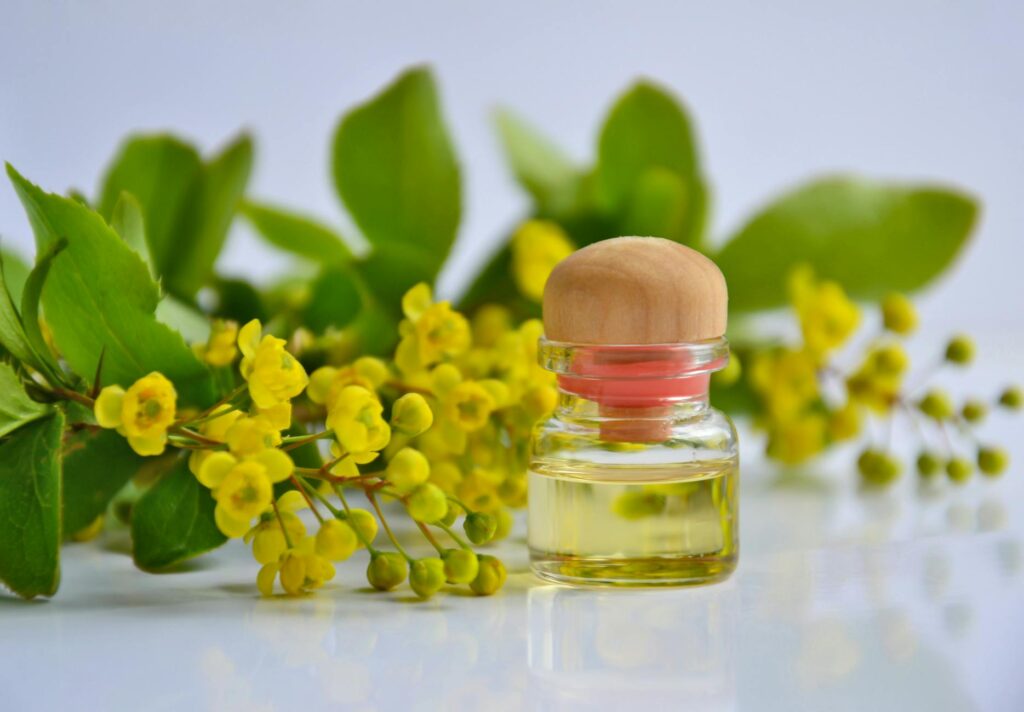
Complete Guide to Niaouli Oil Part 6
Introduction
Niaouli oil, derived from the leaves of the Melaleuca quinquenervia tree, is a lesser-known essential oil that has garnered attention for its numerous therapeutic properties. Originating from the tropical regions of Australia, New Caledonia, and the Solomon Islands, this oil is part of the broader Melaleuca family, which includes tea tree oil. This guide aims to provide a comprehensive overview of Niaouli oil, exploring its properties, benefits, uses, and safety considerations.
What Is Niaouli Oil?
Niaouli oil is an essential oil obtained through steam distillation from the leaves and twigs of the Niaouli tree. Characterized by its fresh, slightly sweet, and medicinal aroma, the oil is pale yellow to colorless in appearance. Niaouli is often confused with its relatives, such as eucalyptus and tea tree oil, but it possesses unique chemical constituents that contribute to its distinctive properties.
The primary components of Niaouli oil include 1,8-cineole, alpha-terpineol, and globulol, each influencing the oil’s aroma and therapeutic capabilities. Historically, the indigenous populations of Australia and the South Pacific have utilized Niaouli for its healing properties, and it remains a significant oil in modern aromatherapy practices.
Key Benefits and Properties
Niaouli oil is celebrated for its versatile range of benefits and properties, which include:
- Antiseptic: The oil exhibits strong antimicrobial properties, making it effective in helping to prevent infections.
- Expectorant: It can help in clearing mucus from the respiratory tract, providing relief from congestion.
- Anti-inflammatory: Niaouli oil may help reduce inflammation, making it useful for soothing irritated skin or muscle discomfort.
- Analgesic: The oil is thought to possess pain-relieving properties, which may be beneficial for headaches or muscle pain.
- Stimulant: Niaouli oil is known to stimulate the immune system and promote overall wellness.
- Insect repellent: The potent aroma acts as a natural deterrent to insects, making it useful in personal care products.
- Skin Care: Due to its antiseptic and anti-inflammatory properties, Niaouli oil is often incorporated into formulations for acne, wounds, or skin irritations. It can be added to creams, serums, or used in diluted forms for topical application.
- Respiratory Relief: Its expectorant qualities make it a popular choice for respiratory support. Niaouli oil can be used in steam inhalation, diffusers, or chest rubs to help alleviate congestion.
- Massage Oil: When diluted with a carrier oil, Niaouli can be used in massage therapy to soothe sore muscles and joints.
- Household Cleaning: Thanks to its antimicrobial properties, Niaouli oil can be included in homemade cleaning solutions to help disinfect surfaces.
- Insect Repellent: The oil can be blended with other essential oils to create a natural insect repellent, suitable for outdoor activities.
- Diffusion: Add a few drops of Niaouli oil to a diffuser to create an uplifting atmosphere while also extending its antiseptic benefits throughout the space.
- Inhalation: Inhale directly from the bottle or add a few drops to a tissue for an instant aroma boost. This can be particularly helpful during cold and flu season.
- Bathing: Adding Niaouli oil to a warm bath can create a soothing experience while benefiting from its inhalation effects.
- Meditation: The refreshing scent of Niaouli can enhance focus and clarity during meditation and mindfulness practices.
- Dilution: Always dilute essential oils in a carrier oil before topical application to minimize the risk of skin irritation. A common dilution ratio is 2-3% for adults (about 12-18 drops of essential oil per ounce of carrier oil).
- Pregnancy and Nursing: Pregnant or nursing individuals should consult with a healthcare provider before using Niaouli oil, as some essential oils may not be recommended during these periods.
- Allergies: Conduct a patch test before using Niaouli oil on the skin to check for any allergic reactions. Apply a small diluted amount to an inconspicuous area and wait 24 hours to observe any adverse effects.
- Sensitive Skin: Individuals with sensitive skin or pre-existing skin conditions should exercise caution and consult a healthcare professional before use.
- Children: It is advisable to avoid using Niaouli oil on children under the age of two unless directed by a qualified practitioner.
- Container: Store the oil in a dark glass bottle to protect it from light degradation. Ensure the cap is tightly sealed to prevent oxidation.
- Temperature: Keep Niaouli oil in a cool, dry place away from direct sunlight. A temperature between 15-25°C (59-77°F) is ideal.
- Shelf Life: Properly stored, Niaouli oil can last for 1-2 years. However, always check for any changes in aroma, color, or consistency before use.
These properties make Niaouli oil suitable for a wide range of applications, enhancing its appeal in both personal care and therapeutic contexts.
Common Uses
Niaouli oil has found its way into various products and practices. Some common uses include:
Aromatherapy Applications
In the realm of aromatherapy, Niaouli oil holds a special place. Its fresh, invigorating scent is often described as uplifting and clarifying. Here are some ways to incorporate Niaouli oil into aromatherapy practices:
When using Niaouli oil in aromatherapy, it is essential to blend it with other complementary oils, such as lavender or eucalyptus, to maximize its effects.
Safety Considerations
As with any essential oil, it is vital to approach the use of Niaouli oil with caution. While generally considered safe for most people when used properly, there are several important safety considerations:
Storage and Shelf Life
To maintain the quality and efficacy of Niaouli oil, proper storage is essential:
Frequently Asked Questions
1. Can Niaouli oil be ingested?
Ingesting essential oils is not generally recommended unless under the guidance of a qualified healthcare professional. Niaouli oil is primarily used for topical and aromatic applications.
2. Is Niaouli oil safe for pets?
Essential oils can be toxic to pets, particularly cats and certain small animals. It is best to consult a veterinarian before using Niaouli oil or any essential oil around pets.
3. How does Niaouli oil compare to tea tree oil?
While both oils belong to the Melaleuca family and share some properties, Niaouli oil is often considered milder and more suitable for sensitive skin. It has distinct aromatic qualities and chemical constituents that set it apart.
4. Can Niaouli oil help with allergies?
Niaouli oil’s anti-inflammatory and expectorant properties may provide some relief for respiratory conditions, but it is not a substitute for medical treatment. Always consult a healthcare professional for allergy management.
5. What other oils can be blended with Niaouli oil?
Niaouli oil blends well with a variety of essential oils, including lavender, eucalyptus, peppermint, and lemon. Experimenting with different combinations can create a pleasant and therapeutic aromatic experience.
Conclusion
Niaouli oil is a versatile and powerful essential oil with a rich history of use and a wide range of benefits. From its antiseptic properties to its applications in skincare and aromatherapy, Niaouli offers an intriguing option for those exploring the world of essential oils. By understanding its uses, benefits, and safety considerations, individuals can harness the power of Niaouli oil while ensuring a safe and enjoyable experience.