
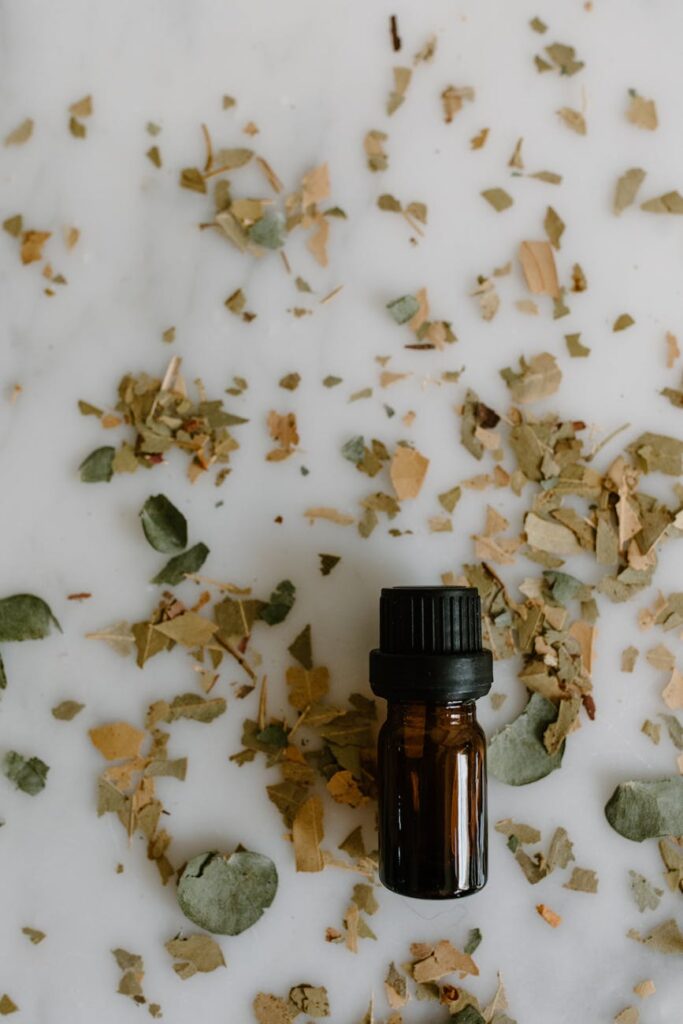
Complete Guide to Niaouli Oil Part 7
Introduction
As the popularity of aromatherapy and essential oils continues to grow, Niaouli oil has emerged as a noteworthy contender in the realm of natural remedies. Derived from the Melaleuca viridiflora tree, native to Australia and the surrounding islands, Niaouli oil is cherished for its diverse applications and unique aromatic profile. This guide aims to provide a comprehensive understanding of Niaouli oil, including its properties, benefits, common uses, and safety considerations.
What Is Niaouli Oil?
Niaouli oil is an essential oil extracted from the leaves and twigs of the Niaouli tree, a member of the Myrtaceae family. The extraction process typically involves steam distillation, which captures the oil’s volatile compounds while preserving its beneficial properties. Niaouli oil features a fresh, camphoraceous aroma, often described as invigorating and uplifting.
The historical use of Niaouli oil can be traced back to Indigenous Australian cultures, where it was utilized for its antiseptic and healing properties. Today, this essential oil is recognized not only for its aromatic qualities but also for its versatility in various applications, including skincare, respiratory health, and emotional well-being.
Key Benefits and Properties
Niaouli oil possesses a range of beneficial properties that contribute to its popularity in aromatherapy and holistic wellness. Some of the key characteristics include:
- Antimicrobial: Niaouli oil is known for its ability to combat various bacteria, fungi, and viruses, making it a valuable addition to natural cleaning products and skincare formulations.
- Anti-inflammatory: The oil may help reduce inflammation and soothe irritated skin, making it suitable for various topical applications.
- Expectorant: Niaouli oil is often used in respiratory blends due to its expectorant properties, which may assist in clearing congestion and promoting easier breathing.
- Analgesic: Some users report that Niaouli oil may help alleviate minor aches and pains when applied topically.
- Emotional Balancer: Its uplifting aroma is believed to promote clarity and mental focus, making it a popular choice in aromatherapy practices aimed at reducing stress and anxiety.
- Skincare: Niaouli oil is often added to skincare products to address issues like acne, minor wounds, and skin irritation. Its antibacterial properties can help keep the skin clear and healthy.
- Respiratory Support: Many individuals use Niaouli oil in a diffuser or inhaler to support respiratory health, particularly during cold and flu seasons.
- Massage: When diluted with a carrier oil, Niaouli oil can be used in massage blends to soothe sore muscles and promote relaxation.
- Household Cleaner: Its antimicrobial properties make it a popular ingredient in homemade cleaning products, offering a natural alternative to commercial cleaners.
- Emotional Well-Being: Niaouli oil can be used in diffusers or inhalers to create a calming atmosphere, helping to alleviate stress and enhance focus.
- Diffusion: Add a few drops of Niaouli oil to a diffuser to fill the room with its refreshing aroma. This can help create an invigorating environment, especially during times of fatigue or mental fog.
- Inhalation: For a quick pick-me-up, place 1-2 drops of Niaouli oil on a tissue or cotton ball and inhale deeply. This method can be particularly effective for clearing nasal passages.
- Massage Blends: Combine Niaouli oil with a carrier oil (such as jojoba or sweet almond oil) at a dilution rate of 1-3% for a soothing massage blend. This can be beneficial for sore muscles or simply to promote relaxation.
- Bath Additive: Add a few drops of Niaouli oil to your bathwater for a refreshing and aromatic experience. Mix the oil with a neutral carrier (like milk or Epsom salt) before adding it to the bath to ensure even distribution.
- Dilution: Always dilute Niaouli oil with a carrier oil before applying it to the skin. A general guideline is to use a dilution rate of 1-3% for topical applications.
- Patch Test: If using Niaouli oil for the first time, conduct a patch test by applying a small amount of diluted oil to a discreet area of skin to check for any adverse reactions.
- Avoid During Pregnancy: It is advisable for pregnant individuals to avoid using Niaouli oil without consulting a qualified healthcare professional.
- Consultation: If you have a pre-existing medical condition or are taking medications, consultation with a healthcare professional is recommended before using Niaouli oil.
- Storage: Keep Niaouli oil out of reach of children and ensure that it is stored in a cool, dark place to maintain its potency.
- Storage Conditions: Store Niaouli oil in a cool, dark place, away from direct sunlight and heat sources. A cabinet or drawer is ideal.
- Container: Ensure that the oil is kept in a tightly sealed, dark glass bottle to prevent oxidation and degradation.
- Shelf Life: When stored correctly, Niaouli oil typically has a shelf life of 1-2 years. However, always check for any changes in aroma or appearance before use.
Common Uses
Niaouli oil’s versatility lends itself to a wide range of applications. Here are some common uses:
Aromatherapy Applications
In the world of aromatherapy, Niaouli oil is often appreciated for its uplifting properties. Here are a few ways to incorporate Niaouli oil into your aromatherapy practices:
Safety Considerations
While Niaouli oil has many beneficial properties, it is essential to use it safely. Here are some key safety considerations to keep in mind:
Storage and Shelf Life
Proper storage is crucial to preserving the quality of Niaouli oil. Here are some tips on storage and shelf life:
Frequently Asked Questions
1. Can Niaouli oil be used in food?
Niaouli oil is not generally recommended for culinary use. It is primarily intended for topical and aromatic applications.
2. Is Niaouli oil safe for children?
Niaouli oil can be used for children, but it should be heavily diluted and always used under the guidance of a qualified healthcare professional.
3. Can I use Niaouli oil in a diffuser with other essential oils?
Yes, Niaouli oil blends well with other essential oils, such as eucalyptus, tea tree, and lavender, for enhanced aromatic and therapeutic effects.
4. What is the difference between Niaouli oil and Tea Tree oil?
While both oils are derived from the Melaleuca genus, Niaouli oil (Melaleuca viridiflora) has a sweeter, fresher aroma and different properties compared to Tea Tree oil (Melaleuca alternifolia), which is more commonly known for its potent antiseptic qualities.
5. How do I know if I have a quality Niaouli oil?
To ensure you are purchasing quality Niaouli oil, look for reputable brands that provide information about the oil’s source, extraction method, and any third-party testing done for purity.
Conclusion
Niaouli oil stands out as a versatile essential oil with a host of potential benefits. From its refreshing aroma to its practical applications in skincare and respiratory support, it is a valuable addition to any aromatherapy collection. By understanding its properties, uses, and safety considerations, you can harness the potential of Niaouli oil to enhance your well-being and environment. As with all essential oils, knowledge and caution are key to ensuring a safe and enjoyable experience.