
Complete Guide to Niaouli Oil Safety
Introduction
Niaouli oil, derived from the leaves of the Melaleuca quinquenervia tree, is a prominent essential oil known for its diverse applications in aromatherapy and natural health. Native to Australia and the surrounding regions, this oil has gained popularity for its unique properties and benefits. However, like all essential oils, it is crucial to understand the safety considerations associated with its use. This guide aims to provide a comprehensive overview of niaouli oil safety, exploring its benefits, common uses, and best practices for handling and storage.
What Is Niaouli Oil Safety?
Niaouli oil safety refers to the practices and considerations necessary for the safe use and application of niaouli essential oil. This includes understanding its chemical composition, potential side effects, contraindications, and the appropriate methods of use. Essential oils are potent substances, and while they offer various benefits, improper use can lead to adverse reactions.
Key Benefits and Properties
Niaouli oil is celebrated for its numerous therapeutic properties. Some of the key benefits include:
1. Antimicrobial Properties: Niaouli oil possesses strong antimicrobial qualities, making it effective against various bacteria and fungi.
2. Anti-inflammatory Effects: The oil has anti-inflammatory properties that can help reduce swelling and irritation.
3. Respiratory Support: Niaouli oil is often used to support respiratory health, helping to clear airways and promote easier breathing.
4. Analgesic Qualities: It has been recognized for its ability to alleviate pain and discomfort, making it useful in massage blends.
5. Skin Health: Niaouli oil may aid in promoting healthy skin, supporting the healing of minor wounds and irritations.
These properties make niaouli oil a valuable addition to both personal care regimens and holistic health practices.
Common Uses
Niaouli oil can be used in various applications, including:
- Aromatherapy: Diffused in a room to create a refreshing atmosphere.
- Topical Applications: Diluted with a carrier oil for massages or skin treatments.
- Household Cleaning: Used in natural cleaning products due to its antimicrobial properties.
- Hair Care: Added to shampoos or conditioners to promote scalp health.
- Dilution: Always dilute niaouli oil with a carrier oil before applying it to the skin. A common dilution ratio is 2-3 drops of essential oil per teaspoon of carrier oil.
- Patch Test: Conduct a patch test by applying a small amount of the diluted oil to a small area of skin. Wait 24 hours to check for any adverse reactions.
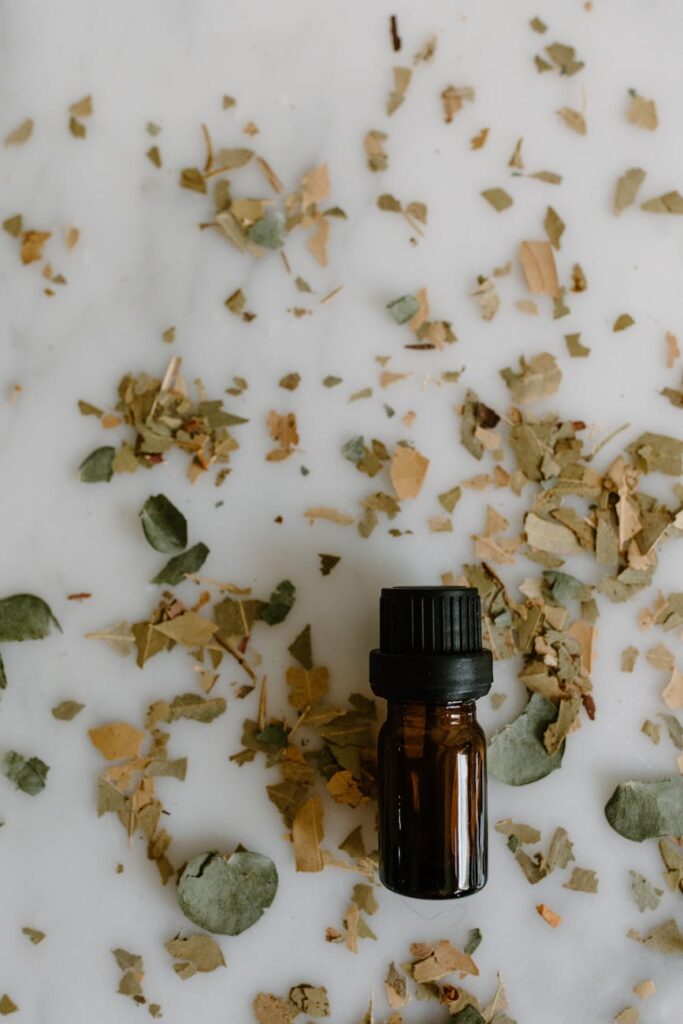
- Container: Store niaouli oil in a dark glass bottle to protect it from light, which can degrade its quality.
- Temperature: Keep the oil in a cool, dry place, away from direct sunlight and heat sources.
- Shelf Life: When stored correctly, niaouli oil typically has a shelf life of 2-3 years. Regularly check for any changes in color, scent, or viscosity, which may indicate spoilage.
It is essential to use niaouli oil in moderation and with caution to maximize its benefits while minimizing potential risks.
Aromatherapy Applications
In aromatherapy, niaouli oil is often combined with other essential oils to enhance its effects. It pairs well with oils such as eucalyptus, tea tree, and lavender. Here are a few common methods of use:
1. Diffusion: Add a few drops of niaouli oil to a diffuser to create an uplifting and cleansing environment.
2. Inhalation: For respiratory support, inhale niaouli oil directly from the bottle or add a few drops to a bowl of hot water to steam.
3. Massage: Blend niaouli oil with a carrier oil such as jojoba or almond oil for a soothing massage.
4. Bathing: Add a few drops to bathwater for a relaxing and invigorating experience.
When using niaouli oil in aromatherapy, it’s important to conduct a patch test and assess individual reactions, particularly for those with sensitive skin or respiratory issues.
Safety Considerations
While niaouli oil offers many benefits, safety precautions are necessary. Here are several key considerations:
Skin Sensitivity
Allergic Reactions
Individuals with known allergies to other members of the Myrtaceae family (e.g., eucalyptus, tea tree) should exercise caution when using niaouli oil, as cross-reactivity may occur.
Pregnant and Nursing Individuals
Pregnant and nursing women should consult a healthcare professional before using essential oils, including niaouli oil, as limited research is available on its safety during these periods.
Children and Pets
Keep niaouli oil out of reach of children and pets. If considering its use around them, consult a healthcare professional or veterinarian for guidance.
Interaction with Medications
Individuals currently taking medications should consult a healthcare provider to avoid potential interactions, especially if the medications affect the liver or other metabolic pathways.
Storage and Shelf Life
Proper storage of niaouli oil is essential to maintain its quality and efficacy. Here are some tips:
Frequently Asked Questions
1. Is niaouli oil safe for everyone?
While niaouli oil is generally safe for most people when used properly, individuals with specific allergies or health conditions should exercise caution. Always consult a healthcare professional if uncertain.
2. Can I ingest niaouli oil?
Ingesting essential oils is not recommended unless under the supervision of a qualified healthcare provider. Niaouli oil is primarily used for topical or aromatic applications.
3. How can I incorporate niaouli oil into my skincare routine?
Niaouli oil can be added to skincare products or diluted with a carrier oil for direct application. It may help with minor skin irritations and promote a clear complexion.
4. What are the signs of a bad reaction to niaouli oil?
Signs of a bad reaction may include skin irritation, redness, or respiratory discomfort. If any adverse effects occur, discontinue use immediately and consult a professional.
5. Can niaouli oil help with respiratory issues?
While niaouli oil is often used to support respiratory health, it should not replace medical treatment. It may aid in clearing airways when used in a diffuser or steam inhalation.
Conclusion
Niaouli oil is a versatile essential oil with a range of benefits and applications, particularly in aromatherapy and natural health practices. Understanding its safety considerations is crucial for anyone looking to incorporate it into their wellness routine. By adhering to proper usage guidelines, conducting patch tests, and storing the oil correctly, individuals can enjoy the therapeutic qualities of niaouli oil safely and effectively. As with all essential oils, education and caution are key to harnessing their full potential.