
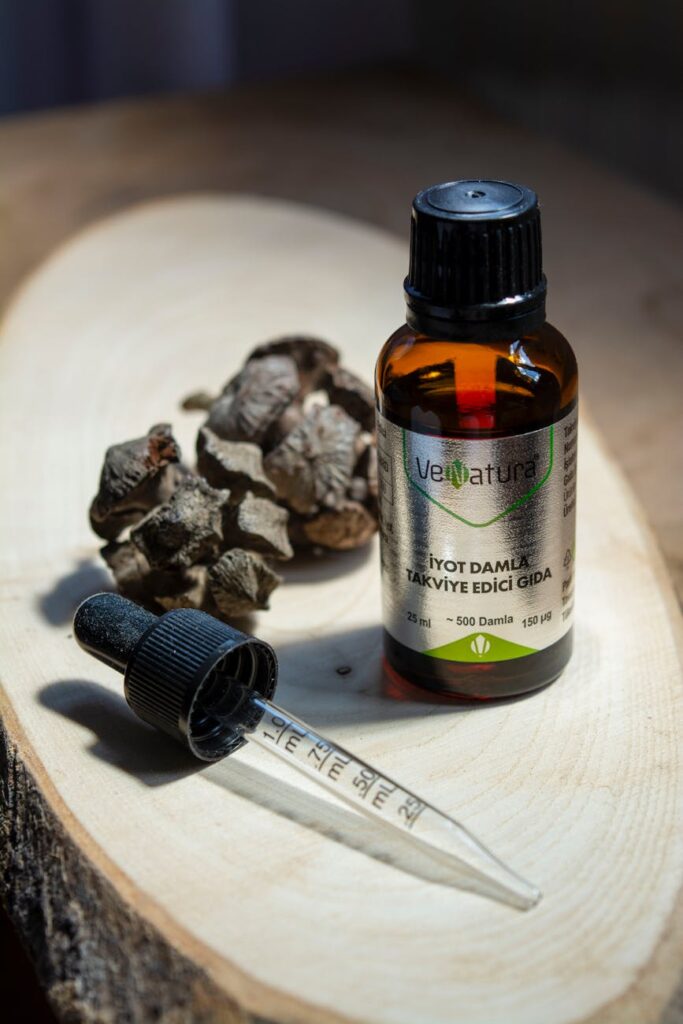
Complete Guide to Noni Extract
Introduction
Noni extract, derived from the fruit of the Morinda citrifolia tree, has garnered attention in both traditional and modern wellness practices. Known for its distinctive aroma and myriad health benefits, noni extract is often utilized in various forms, including juices, capsules, and essential oils. This guide aims to provide a comprehensive overview of noni extract, examining its properties, uses, and safety considerations.
What Is Noni Extract?
Noni extract is obtained from the ripe fruit of the noni tree, which is native to Southeast Asia and Australasia. The fruit is typically green when unripe and turns yellowish or whitish upon ripening. Noni has been utilized in traditional medicine for centuries, particularly in Polynesian cultures, where it is often referred to as “cheese fruit” due to its peculiar odor.
The extraction process involves pressing the ripe fruit to release its juices and nutrients. These juices can be further concentrated into various forms, including powders and oils, which retain the beneficial compounds found in the fruit. Noni extract is rich in vitamins, minerals, and antioxidants, contributing to its growing popularity in health and wellness circles.
Key Benefits and Properties
Noni extract is celebrated for its diverse range of bioactive compounds, including:
- Antioxidants: Noni is abundant in antioxidants, which help combat oxidative stress and reduce cellular damage.
- Vitamins and Minerals: It contains essential vitamins such as vitamin C, vitamin A, and several B vitamins, along with important minerals like potassium, calcium, and magnesium.
- Polysaccharides: These complex carbohydrates are believed to support immune function and overall health.
- Scopoletin and Xeronine: These compounds have been studied for their potential roles in enhancing cellular function and promoting emotional well-being.
- Diffusion: When diffused, noni essential oil can create a calming atmosphere. Its scent may help alleviate stress and promote relaxation.
- Massage: Diluted noni oil can be used in massage blends, potentially enhancing the soothing effects of the massage.
- Baths: Adding noni essential oil to bath water can provide a relaxing experience, promoting a sense of tranquility.
- Cool, Dark Place: Noni extract should be stored in a cool, dark place to protect it from heat and light, which can degrade its active compounds.
- Seal Tightly: Ensure that containers are sealed tightly to prevent exposure to air, which can lead to oxidation.
- Refrigeration: Once opened, noni juice or oil may benefit from refrigeration to prolong its shelf life.
- Expiration Date: Always check the expiration date on the product label and dispose of any expired items.
While many anecdotal claims surround noni extract, scientific research is ongoing, and more studies are needed to substantiate the extent of its benefits.
Common Uses
Noni extract is versatile and can be found in various forms, each with its own set of applications:
1. Juice: One of the most common ways to consume noni, often marketed as a health tonic. It is typically consumed in small doses due to its strong flavor.
2. Capsules and Supplements: For those who prefer a more concentrated form, noni extract is available in capsule form, which can be more convenient for daily use.
3. Topical Applications: Noni oil is sometimes used in skincare products for its moisturizing properties and potential to soothe irritated skin.
4. Culinary Uses: In some cultures, noni is used in cooking, though its strong flavor may not appeal to everyone.
5. Aromatherapy: Noni essential oil is gaining popularity in aromatherapy practices, valued for its unique scent and potential emotional benefits.
Aromatherapy Applications
Aromatherapy involves the use of essential oils to promote physical and emotional well-being. Noni essential oil, while not as commonly used as other oils, possesses a distinctive aroma that some find appealing. It is often used in the following ways:
While more research is needed to explore its full potential in aromatherapy, many practitioners appreciate its unique fragrance and possible emotional benefits.
Safety Considerations
While noni extract is generally regarded as safe for most people when used appropriately, certain safety considerations should be noted:
1. Allergic Reactions: Some individuals may experience allergic reactions to noni extract. It is advisable to conduct a patch test before applying it to the skin.
2. Pregnancy and Nursing: Pregnant and nursing women should consult a healthcare provider before using noni products.
3. Medications: Noni extract may interact with certain medications, particularly those metabolized by the liver. Individuals taking prescription drugs should consult a healthcare professional before incorporating noni into their regimen.
4. Dosage: When consuming noni juice or supplements, it is essential to adhere to recommended dosages, as excessive intake may lead to gastrointestinal discomfort.
5. Quality of Products: Always choose high-quality noni products from reputable sources to ensure safety and efficacy.
Storage and Shelf Life
Proper storage of noni extract is crucial to maintain its efficacy and longevity. Here are some guidelines for storage:
Generally, unopened noni extract can last for a year or more, while opened products may have a shorter shelf life, often ranging from a few months to a year, depending on the form.
Frequently Asked Questions
1. What does noni extract taste like?
Noni extract, particularly in juice form, has a strong, somewhat bitter flavor that some describe as earthy or musky. It may not be to everyone’s liking, and many choose to mix it with other juices or sweeteners.
2. Can noni extract be used in cooking?
Yes, in some cultures, noni is used in cooking, although its strong flavor may not be appealing to everyone. It can be added to smoothies, sauces, or used in marinades.
3. Is noni extract safe for children?
Noni products are generally not recommended for children without consulting a healthcare professional. Always seek advice before introducing new supplements to a child’s diet.
4. How do I choose a quality noni extract?
When selecting a noni product, look for reputable brands that provide clear labeling, including the source of the fruit and any certifications. Opt for organic, non-GMO options when possible.
5. Can I use noni extract topically?
Yes, noni oil can be applied topically, but it should be diluted with a carrier oil to minimize the risk of skin irritation. Always perform a patch test first.
Conclusion
Noni extract offers a fascinating glimpse into traditional and modern wellness practices. Its rich array of nutrients and potential benefits makes it a compelling addition to health and wellness routines. However, as with any supplement, it is essential to approach noni extract with informed caution, considering individual health circumstances and consulting professionals when necessary. By understanding its properties, uses, and safety considerations, individuals can make educated choices about incorporating noni extract into their lives.