
Complete Guide to Olive Oil Part 11
Introduction
Olive oil, a staple of Mediterranean cuisine, has gained global recognition not only for its culinary uses but also for its numerous health benefits and versatility in various applications. This guide aims to provide an in-depth exploration of olive oil, covering its composition, benefits, uses, and practical considerations for storage and safety.
What Is Olive Oil?
Olive oil is derived from the fruit of the olive tree (Olea europaea), which is native to the Mediterranean region. The oil is extracted through various methods, including pressing and centrifugation, which separate the oil from the pulp and water content of the olives. The quality of olive oil can vary significantly based on factors such as the type of olives used, the extraction method, and the region in which they are grown.
Olive oil is classified into several categories, with extra virgin olive oil (EVOO) being the highest quality. EVOO is produced from first cold-pressed olives and has a low acidity level, retaining most of the natural flavors and nutrients. Other categories include virgin olive oil, refined olive oil, and pomace olive oil, each differing in quality, flavor, and processing methods.
Key Benefits and Properties
Olive oil is rich in monounsaturated fats, particularly oleic acid, which is known for its heart-healthy effects. Additionally, it contains a variety of antioxidants, such as vitamin E and polyphenols, which contribute to its health benefits. Some of the key properties and benefits of olive oil include:
1. Heart Health: The monounsaturated fats in olive oil can help reduce bad cholesterol levels and lower the risk of heart disease.
2. Anti-inflammatory Effects: Olive oil contains oleocanthal, a compound that has been shown to have anti-inflammatory properties similar to ibuprofen.
3. Rich in Antioxidants: The antioxidants present in olive oil can help combat oxidative stress and reduce the risk of chronic diseases.
4. Skin Health: Olive oil is often used in skincare products due to its moisturizing and nourishing properties.
5. Digestive Health: Regular consumption of olive oil may support digestive health by promoting the function of the digestive system.
Common Uses
Olive oil is incredibly versatile and can be used in various culinary applications. Some common uses include:
- Cooking: Olive oil can be used for sautéing, frying, roasting, and baking due to its relatively high smoke point compared to other oils.
- Dressings: It serves as a base for salad dressings, marinades, and sauces, enhancing the flavor of dishes.
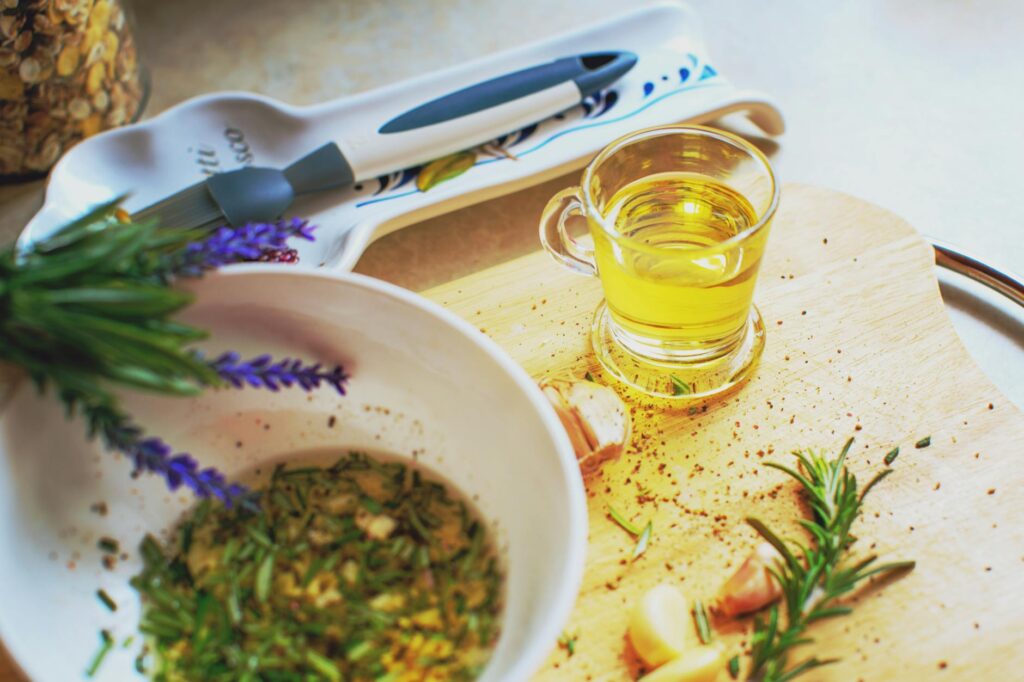
- Dipping: Olive oil is often enjoyed as a dip for bread, sometimes infused with herbs and spices for added flavor.
- Preservation: It can be used to preserve vegetables, cheeses, and meats, helping to extend their shelf life.
- Cosmetic Applications: Beyond culinary uses, olive oil is commonly found in skincare and haircare products.
- Allergies: Though rare, some individuals may be allergic to olives or olive oil. It is advisable to perform a patch test before applying it to the skin.
- Quality Matters: The quality of olive oil can vary significantly. It is essential to choose high-quality oils, preferably labeled as extra virgin, to reap the maximum benefits.
- Heat Sensitivity: While olive oil can be used for cooking, it has a lower smoke point than some other oils. It is best used for low to medium-heat cooking to avoid the formation of harmful compounds.
- Storage Conditions: Improper storage can lead to rancidity. Keeping olive oil away from heat, light, and air will help maintain its quality.
- Temperature: Olive oil should be stored in a cool, dark place, ideally between 60°F and 75°F (15°C to 24°C). Exposure to heat can accelerate the degradation process.
- Light: Light can cause olive oil to oxidize, leading to rancidity. It is best to store olive oil in dark glass bottles or metal containers.
- Air Exposure: Keeping olive oil sealed tightly can help prevent oxidation. Once opened, it is advisable to use it within a few months to ensure freshness.
Aromatherapy Applications
While olive oil is primarily known for its culinary and health benefits, it also finds a place in aromatherapy. Its carrier oil properties make it an excellent choice for diluting essential oils. Here are some common applications:
Dilution for Essential Oils
Olive oil can be used as a carrier oil when mixing with essential oils for topical application. Its moisturizing properties help to nourish the skin while facilitating the absorption of essential oils.
Massage Oil
Due to its emollient properties, olive oil is often used as a base for massage oils. It glides smoothly on the skin, providing a luxurious experience while also delivering the benefits of the essential oils mixed with it.
Aromatic Blends
When combined with essential oils like lavender or eucalyptus, olive oil can enhance relaxation and promote a calming atmosphere. It can be used in a diffuser or added to bathwater for a soothing experience.
Safety Considerations
While olive oil is generally regarded as safe for culinary and topical use, there are some safety considerations to keep in mind:
Storage and Shelf Life
Proper storage of olive oil is crucial to maintaining its quality. Here are some tips for optimal storage:
Shelf Life
The shelf life of olive oil can vary based on its quality and storage conditions. Generally, high-quality extra virgin olive oil can last for about 18 to 24 months if stored correctly. However, it is always advisable to check for signs of rancidity, such as an off smell or flavor, before use.
Frequently Asked Questions
1. What is the difference between extra virgin and regular olive oil?
Extra virgin olive oil is the highest quality oil, made from the first cold pressing of olives, with minimal processing and a low acidity level. Regular olive oil may undergo refining, which can strip it of some flavors and nutrients.
2. Can olive oil go bad?
Yes, olive oil can go rancid over time, especially if it is not stored properly. Signs of rancidity include an unpleasant odor or flavor.
3. Is olive oil safe for cooking?
Olive oil is safe for cooking but is best used at low to medium heat. High temperatures can degrade its quality and produce harmful compounds.
4. Can I use olive oil on my skin?
Yes, olive oil is often used in skincare products and can be applied topically. However, it is advisable to perform a patch test to check for any allergic reactions.
5. How can I tell if olive oil is high quality?
Look for oils labeled as “extra virgin,” check the harvest date, and choose oils in dark bottles to ensure quality. High-quality oils will have a robust flavor and aroma.
Conclusion
Olive oil is not just a culinary delight; it is a versatile substance with numerous benefits and applications. Whether used in cooking, as a cosmetic, or in aromatherapy, understanding its properties, safe practices, and proper storage can enhance its benefits. By incorporating high-quality olive oil into your routine, you can enjoy its rich flavors and health advantages while making informed choices about its use.