
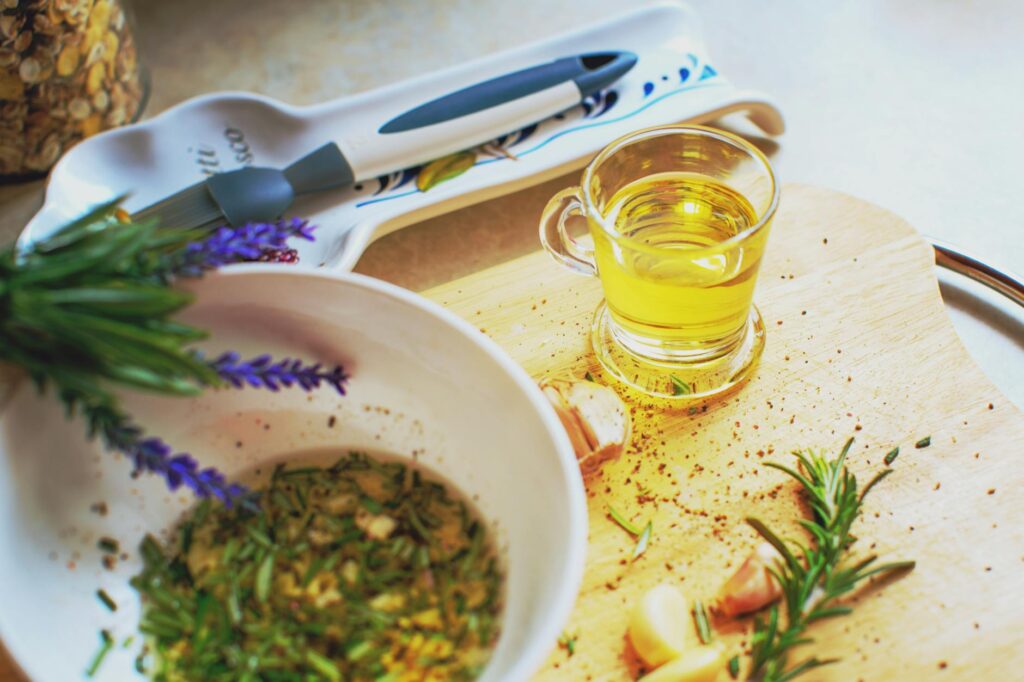
Complete Guide to Olive Oil Part 12
Introduction
Olive oil has long been celebrated not only for its culinary uses but also for its remarkable qualities in the realm of natural wellness and beauty. As one of the oldest cultivated oils, it boasts a rich history and a myriad of applications. This guide aims to provide a comprehensive overview of olive oil, exploring its benefits, uses, and considerations for safe and effective application.
What Is Olive Oil?
Olive oil is a liquid fat obtained from the fruit of the olive tree (Olea europaea). This tree is native to the Mediterranean region, where its cultivation dates back thousands of years. The oil is extracted through a process of pressing olives, resulting in a product that varies in flavor, aroma, and quality based on the variety of olives used, the extraction method, and the region of origin.
Types of Olive Oil
1. Extra Virgin Olive Oil (EVOO): This is the highest quality olive oil, made from pure, cold-pressed olives. It has a low acidity level and retains the natural flavors and nutrients of the olives.
2. Virgin Olive Oil: Slightly lower in quality than EVOO, it is also cold-pressed but may have a higher acidity level.
3. Pure Olive Oil: A blend of refined olive oil and a small amount of virgin olive oil. It has a neutral flavor and is often used for cooking.
4. Light Olive Oil: Despite its name, it refers to the oil’s flavor and not its caloric content. It’s often refined and has a mild taste.
Key Benefits and Properties
Olive oil is renowned for its rich composition of monounsaturated fats, antioxidants, and anti-inflammatory compounds. Some of the key benefits include:
Nutrient-Rich Composition
- Monounsaturated Fats: These healthy fats can help lower bad cholesterol levels and are linked to improved heart health.
- Antioxidants: Olive oil is high in antioxidants such as vitamin E and phenolic compounds, which can protect cells from damage caused by free radicals.
- Anti-Inflammatory Properties: Compounds like oleocanthal have been shown to have anti-inflammatory effects, contributing to overall health.
- Moisturization: Olive oil is a natural emollient that can help to hydrate and nourish the skin.
- Antimicrobial Properties: It may help to combat certain bacteria and fungi, making it beneficial for skin health.
- Hair Conditioning: The oil can be used as a deep conditioner, promoting shine and reducing frizz.
- Cooking: Ideal for sautéing, roasting, and grilling due to its high smoke point, particularly with refined oils.
- Dressing: A popular base for salad dressings and marinades, enhancing flavor and providing healthy fats.
- Finishing Oil: Drizzling over finished dishes can enhance flavor and presentation.
- Moisturizers: Used in lotions and creams for its hydrating properties.
- Makeup Remover: Effective in removing makeup without irritating the skin.
- Hair Treatments: Often incorporated into hair masks and conditioners.
- Keep in a Cool, Dark Place: Exposure to light and heat can degrade the oil. Store it in a dark glass bottle or a tin container.
- Seal Tightly: Ensure the bottle is tightly sealed to prevent oxidation.
- Avoid Temperature Fluctuations: Store in a stable environment to prolong freshness.
- Unopened: Olive oil can last up to two years when stored properly.
- Opened: Once opened, it is best consumed within six months to a year for optimal flavor and health benefits.
Skin and Hair Benefits
Common Uses
Olive oil is incredibly versatile and can be utilized in various ways, including:
Culinary Applications
Cosmetic Uses
Aromatherapy Applications
While olive oil itself is not typically used as an essential oil, it serves as an excellent carrier oil in aromatherapy. Carrier oils dilute essential oils, allowing for safe topical application.
Blending with Essential Oils
1. Skin Applications: Combine olive oil with essential oils like lavender or tea tree for skin nourishment and healing.
2. Massage: Use olive oil as a base for massage blends, pairing it with calming oils such as chamomile or eucalyptus.
3. Aromatherapy Diffusion: While not common, olive oil can be used in homemade diffuser blends for its mild scent and to carry essential oils.
Safety Considerations
Though olive oil is generally safe for most uses, there are some considerations to keep in mind:
Allergies
Individuals with allergies to olives or related plants should exercise caution when using olive oil, both topically and in cooking.
Skin Sensitivity
While olive oil is suitable for most skin types, it’s advisable to perform a patch test before use, especially for those with sensitive skin.
Quality Matters
When selecting olive oil, opt for high-quality, cold-pressed varieties. Look for reputable brands that provide transparency regarding the source and production methods.
Storage and Shelf Life
Proper storage is crucial to maintain the quality and flavor of olive oil. Here are some guidelines:
Storage Tips
Shelf Life
Frequently Asked Questions
How can I tell if my olive oil is high quality?
Look for labels indicating “extra virgin,” check for a harvest date, and consider purchasing from reputable brands. A robust flavor and a slightly peppery finish are also signs of quality.
Can olive oil go bad?
Yes, olive oil can go rancid over time. Signs of rancidity include an off-smell, a change in color, or an unpleasant taste.
Is olive oil safe for cooking at high temperatures?
Extra virgin olive oil has a relatively high smoke point, making it suitable for most cooking methods. However, for high-heat frying, refined olive oil may be a better choice.
Can I use olive oil for my hair every day?
While olive oil can be beneficial for hair, using it daily may weigh hair down. It’s best to use it as a treatment or on an as-needed basis.
Is olive oil suitable for all skin types?
Olive oil is generally safe for most skin types, but those with oily or acne-prone skin should use it with caution, as it may clog pores.
Conclusion
Olive oil is not only a staple in kitchens around the world, but it also serves a multifaceted role in beauty and wellness practices. Its rich composition of healthy fats and antioxidants, combined with its versatility, makes it a valuable addition to any natural health regimen. By understanding its benefits, uses, and proper care, one can fully appreciate the many advantages that olive oil offers.